


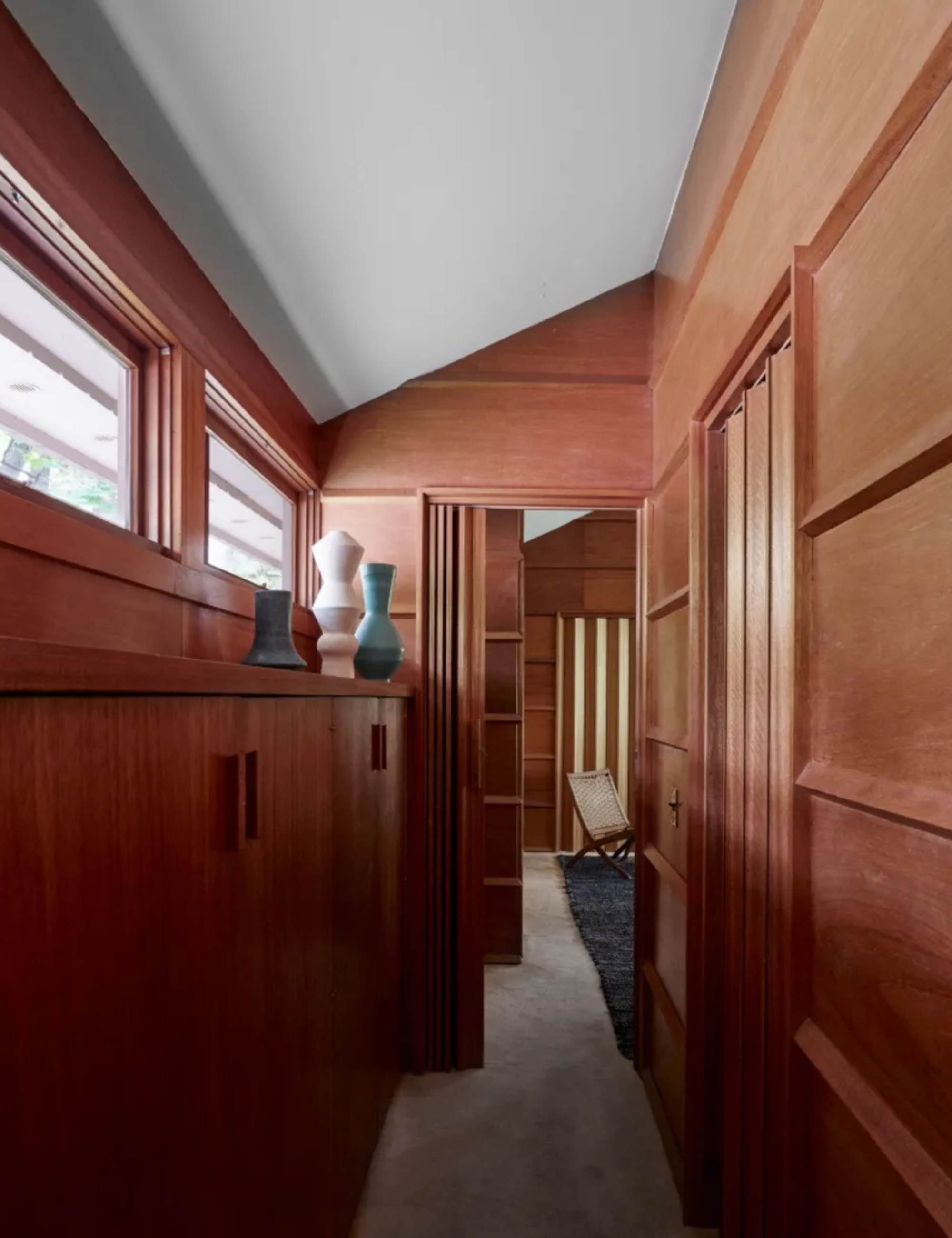
Creating a home that feels just right often hinges on one important aspect: scale. Many beautifully decorated rooms can feel off, not because of glaring mistakes but due to subtle issues with proportion. Understanding how designers use scale can help transform your space into a welcoming and harmonious environment.
In this article: Five thoughtful ways designers utilize scale to enhance the comfort and aesthetic of your home.
What is Scale and Why is it Important?
Scale refers to how individual pieces of furniture relate to each other and to the room itself, rather than strictly to their size. Think of it like tailoring; an outfit may look great, but if it doesn’t fit well, it can appear awkward. Interior designers emphasize the need for these elements to be in tune with not just each other but also with the size and layout of your room.
Often, we might not articulate what feels wrong in a room. A coffee table that seems tiny next to a large sofa or art that feels lost on a wall are common signs that scale is off. Recognizing these moments can be the first step toward cultivating a comfortable atmosphere.
5 Ways Designers Use Scale in the Home
When designers incorporate scale thoughtfully, they create a sense of harmony, even in bolder designs. Here are five approaches to help achieve balanced spaces in your home.
1. Room-Anchoring Rugs
Rugs play a crucial role in defining a room’s scale. Too often, we opt for small rugs that leave furniture floating rather than grounded. A properly sized rug helps anchor the space, inviting everyone to gather around comfortably.
Tara McCauley, an interior designer, suggests that rugs should nearly fill the room, ensuring that all front legs of the furniture rest on it. This not only visually pulls the room together but also enhances the overall comfort.
2. Experimental Lighting
Lighting is another fun area for designers to explore scale. From oversized pendants that can make a bold statement over a dining table to understated pieces that subtly complement the decor, the right lighting can significantly enhance the ambiance of the room.
Before committing to a fixture, consider mocking up its size with cardboard or tape to visualize how it will interact with the space. This simple step can ensure that your lighting aligns beautifully with the other elements in your room.
3. Adding Emphasis to Art
Art can dramatically affect a room’s scale. Choosing larger pieces for small spaces can create eye-catching focal points and reinforce architectural features, rather than making them feel cluttered or cramped.
As Laura Medicus notes, bigger art can lead to a more harmonious feel. Think of a large painting or photograph hung above a sofa: it adds presence and confidence, making the room feel more intentional.
4. Substantial Furniture
The depth of your furniture pieces can significantly impact the feel of your space. Choosing furniture that has more substance can make a living area appear more grounded and inviting. When selecting sofas or chairs, opt for pieces that feel comfortable and spacious.
Tracy Morris advises that sofas should ideally be at least 84 to 96 inches long to maintain appropriate proportions with other room elements. This approach can lead to an inviting area that beckons relaxation.
5. Tall Curtains
When it comes to curtains, hanging them as high as possible can create an illusion of height, making the space feel more grand. This not only draws the eye up but also contributes to an intentional design.
Following the trend of high-hung curtains, designers suggest allowing the fabric to envelop an entire wall, which can create a dramatic effect without overwhelming the space.
The essence of scale in interior design is about responsiveness to the unique characteristics of your home. Utilizing larger rugs, deeper furniture, taller curtains, and a blend of unique lighting can enhance the comfort of your living space.
Lastly, achieving the perfect scale often only requires thoughtful adjustments rather than complete overhauls. Sometimes, simply repositioning furniture or allowing one standout element to take charge can make all the difference, transforming your home into a soothing sanctuary.
Lifestyle choices often reflect how people balance comfort, routines, and everyday responsibilities.
We focus on sharing thoughtful observations and practical ideas that fit naturally into daily life.
This article was written and reviewed by the Cozy Corner Daily editorial team.
Read our editorial guideline to learn more about our approach.
For parenting books and resources on this topic, Amazon has a solid selection worth browsing.







Which technique do you find most effective in creating balanced spaces? Check out these tips! #InteriorDesign #Balance #CozyCornerDaily
What’s your go-to technique for balancing a space? Check out these tips! #InteriorDesign #HomeDecor #CozyCornerDaily