


I didn’t realize groceries were quietly bullying my budget until I did one annoying thing: I added up my receipts.
- Why “meal planning” usually fails in real life
- The 5 meals a week method (what it is)
- Step 1: Pick your 5 dinners using this exact rule
- Step 2: Build your “5 Staples” list (this is the money saver)
- Step 3: Shop your kitchen before you shop the store
- Step 4: Make a list that stops impulse buys
- Step 5: Put 3 “nope rules” on your list
- Step 6: Use the “two cart” method (for people who always overspend)
- Do this today (15 minutes)
- What if you’re already behind and broke this week?
- FAQ
- Bottom line
Not for the whole year. Not a big spreadsheet. Just two weeks. And it was enough to make me stare at the numbers like they personally offended me.
The weird part was I wasn’t buying fancy stuff. No steaks every night. No bougie cheese board era. Just regular family food, plus the little “extras” that somehow sneak into the cart when you’re tired and hungry and you’ve already been in the store too long.
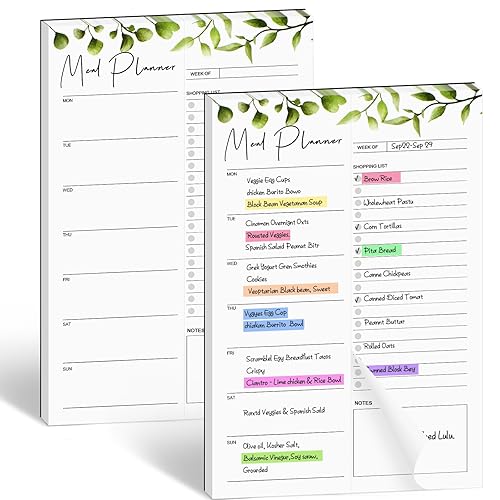

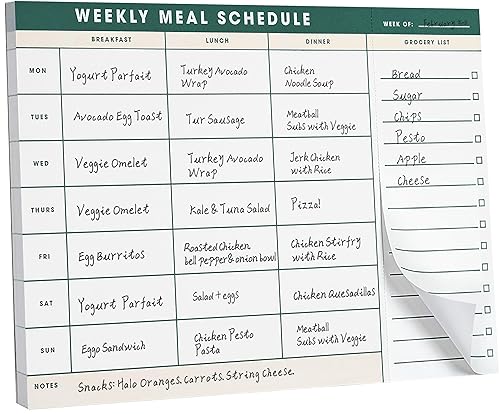

And those extras add up fast. The problem isn’t one grocery trip. The problem is the pattern. It’s the “we’ll figure it out” shopping style that turns into random spending, wasted food, and that feeling like you’re always buying groceries but your fridge is still empty.
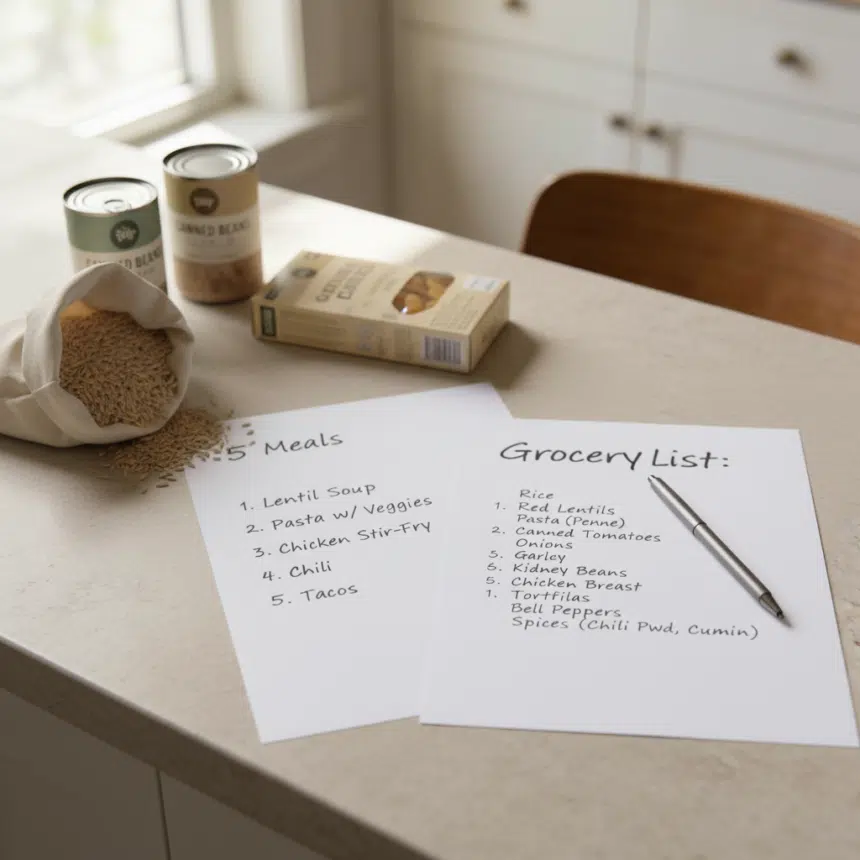
This post is the grocery reset that actually worked for us: the 5 meals a week method. It’s simple, it’s not cute, and it’s realistic. You plan 5 dinners, not 21 meals like a robot. You build a list you can follow, and you stop buying duplicates because you forgot what you already have.
If groceries are squeezing you right now, start with this. And if you want the “why is my money always gone” overview first, this post helps connect the dots: where does my money go? how to find budget leaks.
Why “meal planning” usually fails in real life
Most meal planning fails because it expects you to live a life you don’t actually live.
- It assumes your schedule stays calm and predictable.
- It assumes nobody gets tired, moody, sick, or busy.
- It assumes you’ll cook every night like it’s your hobby.
That’s why the “plan every meal” approach breaks. The first time your day goes sideways, the plan collapses, you order takeout, and you’re back at the store spending money again.
The goal is not perfection. The goal is control. A plan that bends without breaking.
The 5 meals a week method (what it is)
You plan five dinners for the week. Not seven.
Why five?
- One night will be leftovers (or a “clean out the fridge” dinner).
- One night will be a life-happened night (frozen pizza, breakfast for dinner, or you just can’t).
So instead of failing at seven meals, you succeed at five. That’s the whole point.
Step 1: Pick your 5 dinners using this exact rule
This rule stops the “random cart” problem.
Your five dinners must include:
- 2 low-effort meals (15–20 minutes)
- 2 normal meals (30 minutes, easy ingredients)
- 1 flexible meal (tacos, pasta, bowls, anything you can swap)
If you pick five meals that all require energy and prep, you’ll quit by Wednesday. That’s not a character flaw. That’s your brain protecting you.
Here are examples that work for families:
- Chicken tacos (flexible)
- Sheet pan sausage + veggies (low-effort)
- Pasta with meat sauce (normal)
- Rice bowls with whatever protein is on sale (flexible)
- Breakfast for dinner or grilled cheese + soup (low-effort)
If you need more dinner ideas that stay cheap, this post is a strong companion: meal plan on a budget when groceries are expensive.
Step 2: Build your “5 Staples” list (this is the money saver)
This is where the grocery bill drops.
You choose five staples that cover multiple meals, so you stop buying one-off ingredients that rot in the back of the fridge.
Pick 5 staples from this list:
- Rice
- Pasta
- Tortillas
- Eggs
- Frozen veggies
- Canned beans
- Ground turkey or ground beef
- Rotisserie chicken
- Oats
- Potatoes
Your staples should be items you actually eat. Not aspirational “I’m going to start eating quinoa” items. Be honest.
Step 3: Shop your kitchen before you shop the store
This step feels small but it prevents duplicates.
Do a 5-minute scan:
- Fridge: what’s about to expire?
- Freezer: what’s already there?
- Pantry: what do you have 3 of because you forgot you had it?
Then plan meals that use the “about to expire” stuff first.
If you’ve ever felt like you’re throwing money away in food waste, you’re not imagining it. This post is the punch-in-the-face moment for a lot of people: we were throwing $200 in the trash every month (food waste).
Step 4: Make a list that stops impulse buys
The grocery store is designed to make you forget your list. So your list has to be organized and boring.
Use this exact list format:
- Produce
- Protein
- Dairy
- Staples (rice/pasta/tortillas)
- Frozen
- Pantry add-ons (canned goods, sauces)
- 1 treat (optional, but planned)
The “1 treat” line matters because if you pretend you’ll buy nothing fun, you’ll buy five fun things out of rebellion. Plan one treat and move on.
Step 5: Put 3 “nope rules” on your list
These are the rules that protect your money when your brain gets tired in aisle 7.
Pick three:
- No snacks unless they are on the list.
- No drinks except one planned option.
- No “new” sauces unless we are out.
- No duplicate pantry items.
- No shopping hungry (or at least eat a granola bar first).
I know that last one sounds like parenting advice for adults, but it works. Hungry shopping is expensive shopping.
Step 6: Use the “two cart” method (for people who always overspend)
If you consistently overspend at the store, do this once or twice until the habit calms down:
- Cart 1: Essentials only (meals + staples)
- Cart 2: Wants (snacks, extras, random “ooh” items)
You only buy Cart 2 if the total still fits your number.
It’s not about being strict. It’s about stopping the “how did this total get so high” surprise at checkout.
Do this today (15 minutes)
- Pick 5 dinners using the 2 low-effort / 2 normal / 1 flexible rule.
- Choose 5 staples you already like.
- Scan your fridge and pantry for “use this first” items.
- Write a grocery list by sections (produce, protein, dairy, etc.).
- Add 3 “nope rules” at the bottom of the list.
What if you’re already behind and broke this week?
Then this is your rescue version:
- Do 3 dinners, not 5.
- Use what you have first.
- Buy one protein, one starch, one frozen veg, and breakfast basics.
Also, if you’re in that “we’re surviving week to week” season, this post is worth reading because it’s realistic: living paycheck to paycheck with a family (12 changes that helped).
FAQ
What if my kids are picky?
Pick flexible meals (tacos, bowls, pasta) so you can keep the base the same and swap toppings. Don’t fight every night. That’s exhausting.
How do I stop wasting produce?
Buy less. Seriously. Start with half the produce you think you need. Use frozen veggies to fill the gaps.
What if I don’t have time to cook?
That’s why two dinners are low-effort. And why you plan one “life happened” night. The system assumes real life.
Bottom line
The 5 meals a week method is not glamorous, but it’s stable. It keeps your grocery spending from turning into chaos, and it gives you a plan you can actually follow when you’re tired.
Groceries are one of the biggest controllable expenses in most households. You don’t need to be perfect. You just need a system that doesn’t collapse the second your day gets messy.
If you want a structured plan rather than individual tips, The Family Budget Reset ($22) is a 30-day framework for identifying exactly where the money is going and reassigning it — built specifically for families, not single earners.
For books and tools that go deeper on this topic, Amazon has a solid selection worth browsing.






How do you keep your grocery budget in check? Check out this method for saving! #MealPlanning #BudgetFriendly #CozyCornerDaily