


Embracing the Serenity of Japanese Gardens
Imagine stepping into a Japanese garden, where a peaceful bridge arcs over a koi pond, moss-covered stone lanterns offer a gentle glow, and winding paths lead to hidden wonders. While these images may come to mind, the essence of Japanese gardens is much deeper, reflecting a harmonious relationship between nature and human creativity.
Japanese gardens are not just singular in style; they encompass a variety of designs. From serene stroll gardens that invite leisurely exploration to Zen gardens with meticulously raked gravel, each type provides a unique atmosphere. Tea gardens also offer a thoughtful journey, preparing visitors for the tranquility of a tea ceremony. Despite their differences, these gardens share a core principle: a balance of natural beauty and human artistry.
To provide insights into this tranquil world, we consulted garden experts who offered their favorite features of Japanese gardens. Here, we highlight five key elements that contribute to their serene charm, and how you can incorporate these ideas into your own outdoor space.
The Principle of Hide and Reveal
One of the defining features of Japanese garden design is the concept of ‘hide and reveal.’ This technique involves placing plants and structures in such a way that they create a sense of mystery, inviting visitors to explore further. For example, tall plants can screen certain views, making the garden feel larger. As Scott Solomonson, a landscape expert, explains, this approach rewards visitors with surprises around each bend, encouraging them to slow down and truly engage with their environment.
In even the smallest gardens, this design choice can enhance the experience, allowing guests to discover thoughtful focal points rather than overwhelming them with a full view all at once.
The Art of Niwaki
Niwaki, or cloud-pruned trees, represent a unique form of art within Japanese gardens. Guy Watts, an expert in this ancient technique, notes that sculpting trees into cloud-like shapes requires both patience and vision. These evergreens provide a striking contrast against other softer, flowing plants and contribute a sense of permanence to the garden.
Engaging with niwaki can be a rewarding endeavor. Selecting suitable plants, such as Japanese holly or Chilean myrtle, and envisioning their future shapes turns garden care into a fulfilling art project. The process may take years, but the results can be worthy centerpieces.
Creating Stillness and Serenity
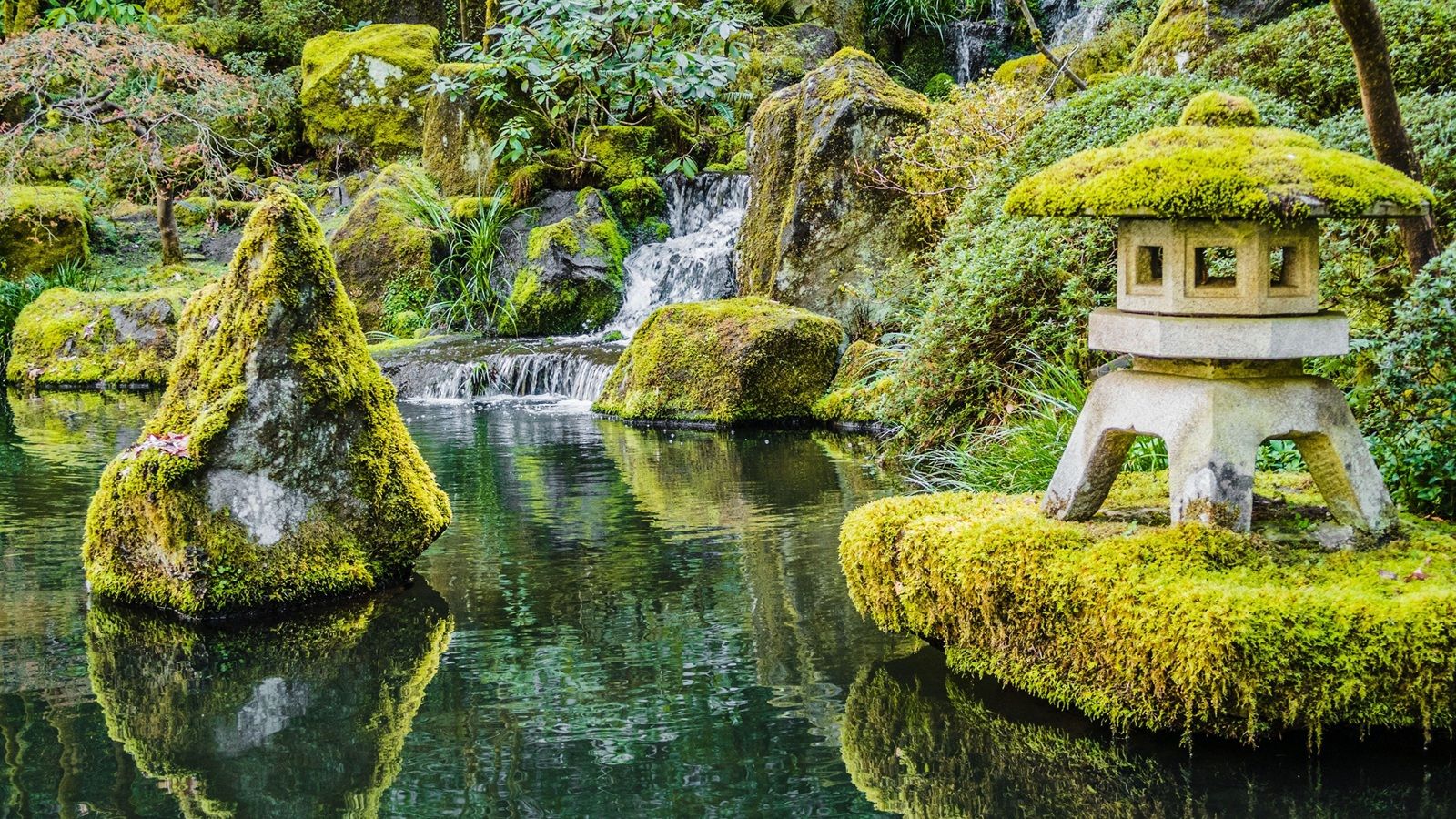
Beyond physical structures, the mood within a garden often defines its character. Jim Fucetola, a moss specialist, emphasizes the importance of intentional quiet. Elements like stone, water, and moss work together to minimize visual noise and invite stillness. Moss, in particular, adds a timeless quality, softening hard edges and creating an age-old ambiance-even if the objects are new.
By creating a tranquil atmosphere, you can encourage moments of reflection in your home garden.
Meaningful Rocks and Boulders
Rocks and boulders play a critical role in creating the landscape of a Japanese garden. They symbolize permanence and stability, while smaller stones can evoke fluidity and movement. Thoughtfully positioning stones can guide visitors through the garden and create a deeper connection to the space.
Using smooth stones as stepping stones encourages guests to pause and take in their surroundings, while rugged boulders can represent mountain ranges. Integrating these elements thoughtfully can enhance the narratives woven into your garden’s design.
Traditional Japanese Lanterns
Finally, traditional Japanese lanterns, or ‘toro’, add a layer of cultural history to gardens. Originally designed for temples, these stone lanterns have come to symbolize serenity and beauty in outdoor spaces. Each lantern serves a purpose and carries unique meaning, providing an opportunity to reflect on the art of garden design.
Incorporating a lantern in your garden can offer that inviting glow while encouraging peaceful contemplation.
Bringing Japanese Garden Features Home
If you’re inspired to include these serene elements in your garden, remember to surround them with suitable plants. For a truly authentic feel, consider research on the best plants and trees for Japanese gardens.
Incorporating these thoughtful features can create a peaceful retreat in your own backyard. Whether large or small, each aspect contributes to a beautiful garden that encourages relaxation and connection to nature.
Lifestyle choices often reflect how people balance comfort, routines, and everyday responsibilities. We share practical ideas, thoughtful observations, and useful finds that fit naturally into daily life.