



Increased Wildfire Risks Predicted in Texas
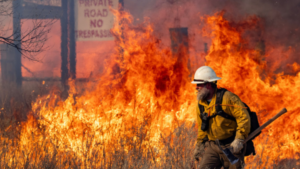
Wildfire activity is expected to escalate across Texas as winter and spring approach, driven by dry conditions and above-normal vegetation growth, according to the Texas A&M Forest Service.
The dormant wildfire season typically occurs during winter and spring, marked by fire activity in freeze-cured grasses and heightened wind speeds due to dry cold fronts. The current conditions suggest a significant uptick in wildfire risks into early spring 2026.
What We Know
- Above-normal grass growth in Texas throughout 2025 is contributing to higher wildfire potential.
- Areas west of Interstate 35, including the High Plains, Rolling Plains, and South Plains, are at particular risk due to heavy grass loads.
- Exceptional grass loads in the Hill Country and Cross Timbers regions similarly elevate wildfire risks, while South Texas and the Lower Gulf Coast are regarded as lower threat areas until grasses freeze-cure.
- The Texas A&M Forest Service reported a 136% increase in wildfire response from October through mid-January, handling 434 wildfires that burned over 11,400 acres.
What’s Still Unclear
Details are limited in the source reporting so far regarding specific measures being taken to mitigate the increased wildfire risks or how local communities are preparing for possible incidents.
What This Means
For residents in Texas, these forecasts may signal a need for heightened awareness and preparedness regarding fire safety. Ensuring proper clearing of flammable materials around homes and staying informed about local fire warnings can be crucial during this heightened wildfire season.
What to Watch Next
Updates on wildfire activity and responses from the Texas A&M Forest Service will be essential to monitor as winter progresses into spring. Residents should pay attention to advisories related to fire danger levels in their local areas.
Original source: Open the source
Editorial note: Cozy Corner Daily summarizes news based on available reporting and updates stories as new details emerge.
Read our editorial guidelines.