







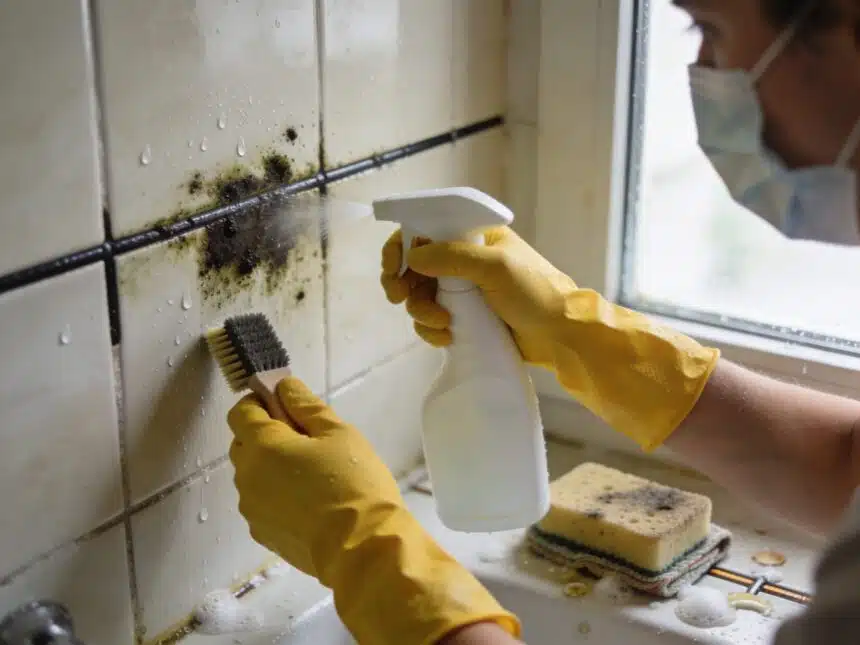
I walked into my bathroom one morning and saw it. Small black spots clustered in the corner of the shower where the wall meets the tub. Then I checked under the kitchen sink and found more. My heart sank because I knew what it was and I had no idea how to deal with it.
- What Mold Actually Is (And Why It Matters)
- Why You Have Mold (It’s Probably Not Your Fault)
- Where Mold Hides in Your Home
- Bathroom Mold
- Bedroom Mold
- Kitchen Mold
- Garage Mold
- How to Remove Mold Safely (The Right Way)
- Safety First (Don’t Skip This)
- Small Mold (Less Than 10 Square Feet)
- What NOT to Mix (This Is Important)
- Large Mold or Mold Behind Walls
- Room-by-Room Mold Removal Guide
- How to Remove Bathroom Mold
- How to Remove Bedroom Mold
- How to Remove Kitchen Mold
- How to Remove Garage Mold
- How to Prevent Mold From Coming Back
- Control Humidity
- Improve Ventilation
- Fix Leaks Immediately
- Dry Things Properly
- Other Prevention Tips
- Products That Actually Work for Mold Removal and Prevention
- When I Finally Called a Professional
- What I Wish I’d Known From the Start
- The Bottom Line
- Frequently Asked Questions About Mold
Mold.
Not just a little surface dirt I could wipe away. Actual mold that had been growing quietly while I’d been ignoring the slight musty smell and that one leaky pipe I kept meaning to fix.
If you’re reading this, you probably found mold too. Maybe in your bathroom. Maybe behind furniture in your bedroom. Maybe in the garage or under the kitchen sink. And now you’re wondering if it’s dangerous, how to get rid of it, and how to stop it from coming back.
I spent two weeks researching, trying different methods, talking to professionals, and actually removing mold from three different areas of my house. Here’s everything I learned so you don’t have to figure it out the hard way like I did.
What Mold Actually Is (And Why It Matters)
Mold is a type of fungus that grows in damp, warm environments. It spreads through tiny spores that float through the air, land on wet surfaces, and start growing. You can’t see the spores, but once mold starts growing, you’ll see it as fuzzy or slimy patches in various colors – black, green, white, or gray.
Here’s the thing that scared me. All mold can cause health problems. Some people get minor allergic reactions like sneezing or itchy eyes. Other people, especially kids, elderly folks, or anyone with breathing problems, can develop serious issues.
Common health symptoms from mold exposure:
- Sneezing and runny nose
- Itchy, watery eyes
- Coughing and throat irritation
- Skin rashes
- Headaches
- Difficulty breathing or wheezing
- Chronic fatigue
- Sleep problems and insomnia
The really dangerous stuff is called toxic black mold (Stachybotrys chartarum). It’s dark greenish-black and produces mycotoxins that can cause severe respiratory problems, memory loss, and in people with weakened immune systems, even serious lung infections.
I’m not trying to scare you. Most mold in homes isn’t the toxic kind. But all mold needs to be taken seriously and removed properly.
Why You Have Mold (It’s Probably Not Your Fault)
Mold needs three things to grow: moisture, warmth, and something to feed on (like wood, drywall, fabric, or dust). That’s it.
The most common reasons mold shows up:
Leaks you didn’t know about – That slow drip under the sink, the roof leak you can’t see, the pipe behind the wall. Even tiny leaks create enough moisture for mold.
High humidity – If your home stays above 60% humidity, especially in bathrooms, basements, or kitchens, mold loves that.
Poor ventilation – Bathrooms without exhaust fans, kitchens without vent hoods, rooms with no air circulation. The moisture has nowhere to go.
Condensation – Cold surfaces meeting warm humid air creates condensation. Think windows, pipes, concrete walls in basements or garages.
Wet clothes or items left sitting – Towels, bath mats, clothes in the washer, wet items stored in closets.
I found mold in my house because of a combination of things. A leaky pipe under the kitchen sink I kept putting off fixing. Not running the bathroom fan long enough after showers. And honestly, living in a small space where moisture doesn’t have many places to go.
Where Mold Hides in Your Home
Mold doesn’t just grow where you can see it. Here are the most common spots I found (and missed at first):
Bathroom Mold
Where it grows:
- Shower tiles and grout lines
- Around the tub or shower base
- On shower curtains
- In corners where walls meet
- On the ceiling (especially above the shower)
- Behind or under the toilet
- In the bathroom cabinet under the sink
Why it grows there: Bathrooms are warm, damp, and humid. Every shower adds moisture to the air and surfaces.
Bedroom Mold
This one surprised me. I thought bedrooms would be safe.
Where it grows:
- On walls behind furniture (especially exterior walls)
- Around windows (from condensation)
- In corners of the ceiling
- Behind headboards against exterior walls
- In closets with poor air circulation
- In carpet near exterior walls
Why it grows there: Poor insulation causes condensation on cold walls. High humidity from not using bathroom fans or exhaust fans while cooking. Warm temperatures at night.
Kitchen Mold
Where it grows:
- Under the sink (most common spot)
- Around the sink rim and faucet base
- Behind the refrigerator
- Under the dishwasher
- In the pantry if there’s a moisture problem
- On dish sponges and wet dish cloths
- In the garbage disposal area
- Inside the refrigerator (especially door seals and drip trays)
Why it grows there: Leaky pipes, condensation from pipes, standing water, food particles, high humidity from cooking without ventilation.
Garage Mold
I didn’t even think to check the garage until the musty smell got bad.
Where it grows:
- On drywall walls and ceiling
- On cardboard boxes stored against walls
- On concrete floors (especially near garage doors)
- On stored fabrics, clothes, or furniture
- In corners and along baseboards
Why it grows there: Poor ventilation, concrete that holds moisture, temperature changes that cause condensation, items stored directly on floor or against walls, humidity from cars or equipment.
How to Remove Mold Safely (The Right Way)
I tried removing mold three different ways before I figured out what actually works. Here’s what I learned.
Safety First (Don’t Skip This)
Before you start cleaning mold, protect yourself:
Gear you actually need:
- N95 mask or respirator (regular dust masks don’t work)
- Rubber gloves (not latex, those tear too easily)
- Safety goggles
- Long sleeves and pants you can wash immediately after
- Old shoes or shoe covers
Why this matters: Mold spores become airborne when you disturb them. Breathing them in while you’re scrubbing can make you sick.
Small Mold (Less Than 10 Square Feet)
If your mold patch is smaller than about 3 feet by 3 feet, you can usually handle it yourself.
The method that actually worked for me:
Step 1: Contain the area
Close doors to other rooms. Open windows if possible. Turn off fans and HVAC so you don’t spread spores around.
Step 2: Spray the mold with water first
Lightly mist the moldy area with water. This keeps spores from flying into the air when you start scrubbing.
Step 3: Apply your cleaning solution
I tried several methods. Here’s what worked best for different situations:
For hard surfaces (tile, tub, sink):
- Mix 1 cup bleach with 1 gallon of water
- Spray the moldy area generously
- Let it sit for 10-15 minutes
- Scrub with a stiff brush
- Rinse thoroughly with clean water
- Dry completely
For porous surfaces (drywall, wood):
Bleach doesn’t penetrate porous surfaces well and leaves dead mold behind.
Use distilled white vinegar instead (at least 6% acidity):
- Spray undiluted vinegar directly on mold
- Let it sit for at least one hour
- Scrub with a stiff brush
- Wipe clean with a damp cloth
- Let air dry completely
- Check in 48 hours for new growth
- Repeat if needed
Alternative for porous surfaces:
Hydrogen peroxide (3-10% solution):
Step 4: Dry everything completely
This is where I messed up the first time. I cleaned the mold but didn’t dry the area well enough. The mold came back in a week.
Use fans. Use dehumidifiers. Open windows. The area needs to be bone dry. When you’re dealing with a cleaning project like this, thoroughness matters more than speed.
Step 5: Treat the area to prevent regrowth
After cleaning and drying, I used a mold-preventing product like Concrobium. You can also paint over the area with mold-resistant primer and paint.
What NOT to Mix (This Is Important)
Never mix bleach with vinegar. Never mix bleach with ammonia. Never mix different cleaning products together. These combinations create toxic gases that can seriously hurt you.
Pick one cleaning solution and stick with it.
Large Mold or Mold Behind Walls
If your mold patch is bigger than 10 square feet, or if you suspect mold inside walls or under flooring, call a professional. Seriously.
Large mold problems mean there’s a significant moisture issue that needs to be addressed by someone who knows what they’re doing. Trying to DIY it can spread spores throughout your house and make the problem worse.
When to call a mold remediation professional:
- Mold covers more than 10 square feet
- Mold keeps coming back after you’ve cleaned it multiple times
- You smell mold but can’t find it (it’s probably in walls or under flooring)
- Mold is on HVAC systems or in ductwork
- You have health problems that get worse at home
- There’s been significant water damage or flooding
- You have black mold (Stachybotrys)
Professional mold remediation costs between $500-$6,000 depending on how bad it is, but sometimes spending the money is worth it for your family’s health.
Room-by-Room Mold Removal Guide
How to Remove Bathroom Mold
Bathrooms are the most common place for mold because they’re constantly humid.
For shower tiles and grout:
- Spray with bleach solution (1 cup bleach per gallon water)
- Let sit for 10 minutes
- Scrub grout lines with an old toothbrush or grout brush
- Rinse thoroughly
- Dry with a towel and run the exhaust fan
For shower curtains:
Honestly? Just replace them. They’re cheap and cleaning them never fully works. If you really want to try, wash in hot water with bleach, but in my experience they just develop mold again quickly.
For caulking around tub or sink:
If the caulk is moldy, you usually need to remove and replace it. Mold grows into the caulk and you can’t kill it by surface cleaning.
For bathroom ceiling mold:
Use the vinegar method since ceiling material is usually porous drywall. Spray, wait, wipe clean. If it’s extensive or keeps coming back, you might need to repaint with mold-killing primer and mold-resistant paint.
How to Remove Bedroom Mold
Bedroom mold is trickier because it’s often caused by humidity or condensation from poor insulation.
For mold on walls:
- Move furniture away from walls
- Use vinegar or hydrogen peroxide (not bleach on painted drywall)
- Spray and let sit
- Scrub gently with a soft brush
- Wipe clean and dry thoroughly
- Repaint with mold-resistant primer and paint if the paint is damaged
For mold behind furniture:
This is a sign your wall is cold and creating condensation. After cleaning the mold:
- Add insulation to exterior walls if possible
- Move furniture a few inches away from walls to allow air circulation
- Use a dehumidifier in the room
- Don’t block heating vents
For mold in closets:
Clean with vinegar solution, ensure clothes are completely dry before storing, leave closet doors open occasionally to air them out, don’t overstuff closets (air needs to circulate).
How to Remove Kitchen Mold
Under the sink (most common problem):
I found mold under my kitchen sink and it was worse than I thought. Here’s what I did:
- Remove everything from under the sink
- Find and fix the leak (call a plumber if needed) – this is critical
- Check if the cabinet bottom is damaged or warped
- If the wood is soft, rotted, or warped, it needs to be replaced
- If it’s just surface mold on intact wood, clean with vinegar solution
- Let it dry completely (I ran a fan under there for 2 days)
- Seal the wood with primer to prevent future mold
Around the sink rim and faucet:
Use bleach solution, scrub well, remove old caulk if it’s moldy, replace with fresh caulk.
Dish sponges and cloths:
These harbor mold and spread it around your kitchen. Replace sponges weekly. Wash dish cloths in hot water daily or at least every couple days.
How to Remove Garage Mold
Garage mold is usually on drywall or concrete and is caused by poor ventilation and humidity.
For mold on garage walls/drywall:
- Spray with vinegar or hydrogen peroxide (not bleach on drywall)
- Let sit for 30-60 minutes
- Scrub with a stiff brush
- Wipe clean
- Dry with fans
- Once completely dry, paint with mold-inhibiting paint
For mold on concrete garage floor:
- Sweep away loose dirt and debris
- Spray with vinegar or hydrogen peroxide
- Scrub with a stiff deck brush
- Rinse thoroughly
- Dry completely with fans (this takes a while)
- Consider sealing the concrete with a moisture barrier
For mold on cardboard boxes and stored items:
Throw away moldy cardboard. Clean salvageable items with vinegar solution. Store items in plastic bins instead of cardboard. Don’t store things directly on the floor or against walls.
How to Prevent Mold From Coming Back
Cleaning mold doesn’t matter if you don’t fix the cause. I learned this when my bathroom mold came back three weeks after I cleaned it because I didn’t change my habits.
Control Humidity
Target humidity level: Keep your home between 30-50% humidity.
How to do it:
- Use dehumidifiers in damp areas (basements, bathrooms, laundry rooms)
- Run your air conditioner (it removes moisture from the air)
- Don’t overuse humidifiers in winter
- If you see condensation on windows, your humidity is too high
I bought a cheap humidity monitor for $10 and it changed everything. I could actually see when humidity was getting too high and adjust.
Improve Ventilation
In bathrooms:
- Run the exhaust fan during showers AND for at least 30 minutes after
- If you don’t have an exhaust fan, open a window
- Squeegee or wipe down shower walls after use
- Leave the shower curtain or door open after showering to let it dry
In kitchens:
- Use the exhaust fan or vent hood while cooking and for 15-20 minutes after
- Wipe up spills immediately
- Don’t leave wet sponges or dish cloths sitting around
- Open a window when boiling water or cooking
In bedrooms:
- Open windows occasionally to air out the room
- Don’t overheat the room at night
- Use fans to circulate air
In garages:
- Open the garage door regularly to air it out
- Install vents if the garage has none
- Don’t let moisture build up from cars, equipment, or weather
Fix Leaks Immediately
I used to put off small repairs, and that’s how I ended up with mold. Now I fix leaks the same week I notice them.
Common leak sources to check:
- Under sinks (both kitchen and bathroom)
- Around toilets
- Behind washing machines
- Dishwasher connections
- Refrigerator water lines
- Roof (especially if you see water stains on ceilings)
- Windows and doors (check for drafts and water intrusion)
If you’re not handy, learning basic home repairs or calling a plumber is way cheaper than dealing with mold damage later.
Dry Things Properly
Wet laundry: Don’t leave wet clothes sitting in the washer. Don’t hang damp clothes in closets. Make sure everything is completely dry before storing.
Towels and bath mats: Hang to dry after every use. Wash frequently.
Spills and leaks: Wipe up immediately and dry thoroughly.
After flooding or water damage: Use fans and dehumidifiers until everything is bone dry (this can take days).
Other Prevention Tips
Keep things clean – Dust, dirt, and organic matter feed mold. Regular cleaning helps prevent growth.
Don’t have too many houseplants – Plant soil can harbor mold, especially in bedrooms.
Move furniture away from walls – Allow a few inches of space for air circulation, especially on exterior walls.
Insulate cold surfaces – Pipes, windows, exterior walls. Insulation prevents condensation.
Store items properly – Use plastic bins instead of cardboard boxes. Don’t store things in damp areas like basements or garages without proper protection.
Products That Actually Work for Mold Removal and Prevention
After trying a bunch of different products, here’s what I actually recommend:
For cleaning:
- Distilled white vinegar (6% acidity or higher)
- Hydrogen peroxide (3% solution)
- Regular household bleach (for non-porous surfaces only)
- Concrobium Mold Control (commercial mold treatment)
For prevention:
- Mold-killing primer (like Kilz)
- Mold-resistant paint
- Dehumidifier
- Humidity monitor
- Exhaust fans (bathroom and kitchen)
Tools:
- Stiff-bristle brush or deck brush
- Old toothbrushes for grout and tight spots
- Spray bottles
- N95 masks or respirators
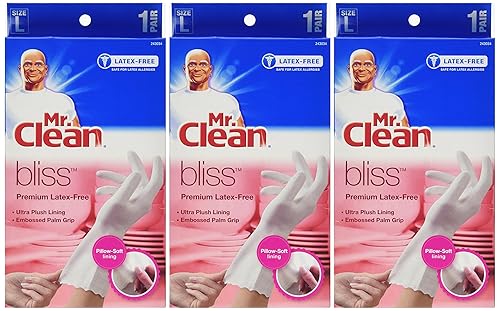
- Heavy-duty rubber gloves






When I Finally Called a Professional
I tried for three weeks to get rid of the mold in my bathroom. I cleaned it four times. It kept coming back. That’s when I realized there was a bigger problem I couldn’t see.
Turns out there was a slow leak in the wall behind the shower that had been going on for months. The drywall was wet. The mold I was cleaning on the surface was just a symptom.
The professional mold remediation company:
- Cut out the damaged drywall
- Fixed the leak properly
- Treated the studs and remaining surfaces
- Installed new moisture-resistant drywall
- Sealed and painted with mold-resistant products
It cost $1,800. But the mold hasn’t come back in six months, and I’m not worried about my family breathing in mold spores anymore.
Signs you need professional help:
- Mold keeps returning after multiple cleanings
- You can smell mold but can’t find the source
- Large areas are affected (more than 10 square feet)
- Mold is behind walls, in HVAC systems, or under flooring
- You have health symptoms that won’t go away
- There’s been significant water damage
- You have toxic black mold
What I Wish I’d Known From the Start
If I could go back and give myself advice when I first found mold, here’s what I’d say:
Fix the moisture problem first. Cleaning mold without stopping the moisture source is pointless. It will just come back.
Don’t ignore small problems. That tiny drip under the sink? Fix it now before it becomes a mold problem.
Ventilation matters more than you think. Running bathroom and kitchen fans feels like a waste of electricity, but it prevents mold. Way cheaper than remediation.
Dry everything thoroughly. After you clean mold, after you shower, after spills. Moisture is the enemy.
Your health matters more than money. If you’re getting sick and can’t get rid of the mold yourself, call a professional. Some things are worth the money.
The Bottom Line
Finding mold in your house is stressful and scary. I spent days worrying about whether my family was safe, whether I was doing enough, whether the problem was worse than I thought.
Here’s what helped me stop panicking and actually deal with it:
Assess how bad it is. Small surface mold you can usually handle yourself. Large areas or mold you can’t reach needs a professional.
Fix the moisture source. This is the most important step. Find the leak, improve the ventilation, reduce the humidity.
Clean it properly with the right products and safety gear. Don’t half-do it.
Dry everything completely. This is what prevents it from coming back.
Change your habits to prevent future mold. Run fans, fix leaks immediately, keep humidity low.
You can handle this. It’s overwhelming at first, but once you understand what you’re dealing with and have a plan, it becomes manageable. One room at a time. One problem at a time.
And if it turns out to be bigger than you can handle alone? There’s no shame in calling for help. That’s what professionals are for.
Frequently Asked Questions About Mold
Can I just paint over mold?
No. Painting over mold doesn’t kill it. The mold will continue growing under the paint and eventually break through. You must remove the mold first, dry the area completely, treat with a mold-killing primer, then paint with mold-resistant paint.
Is bleach or vinegar better for killing mold?
It depends on the surface. Bleach works better on non-porous surfaces like tile, tubs, and sinks. Vinegar works better on porous surfaces like wood and drywall because it penetrates and kills the roots. Never mix bleach and vinegar together.
How long does it take for mold to grow after water damage?
Mold can start growing within 24-48 hours after water damage if the moisture isn’t removed. This is why it’s critical to dry flooded or water-damaged areas immediately with fans and dehumidifiers.
Does opening windows help prevent mold?
Yes, if the outside air is less humid than inside. Opening windows improves ventilation and helps reduce indoor humidity. However, if it’s humid or raining outside, opening windows can actually make the problem worse by bringing in more moisture.
Can a dehumidifier get rid of mold?
A dehumidifier can’t remove existing mold, but it prevents new mold growth by keeping humidity low. After you clean mold, running a dehumidifier helps ensure the area stays dry enough that mold can’t grow back.
Is mold behind drywall dangerous?
Yes. Mold behind drywall means there’s hidden moisture damage and potentially extensive mold growth you can’t see. This usually requires professional remediation because the affected drywall needs to be removed and replaced.
How can you tell if mold is making you sick?
Common symptoms include persistent coughing, sneezing, runny nose, itchy eyes, headaches, fatigue, and breathing difficulties that improve when you leave the house. If you suspect mold is affecting your health, see a doctor and get your home inspected by a mold professional.
What kills mold permanently?
Nothing kills mold permanently if moisture remains. You must: 1) Remove the mold with proper cleaning solutions, 2) Fix the moisture source, 3) Keep humidity low, 4) Improve ventilation. Without addressing moisture, mold will always come back.
Can you remove black mold yourself?
If the black mold patch is small (less than 10 square feet) and you have proper safety equipment, you can try removing it yourself. However, if it’s toxic black mold (Stachybotrys chartarum), covers a large area, or you have health concerns, call a professional. Toxic black mold requires special handling.
How much does professional mold removal cost?
Professional mold remediation typically costs between $500-$6,000 depending on the size and severity. Small bathroom mold might cost $500-$1,500. Large infestations involving removing drywall and structural repairs can cost $3,000-$6,000 or more.
Does homeowners insurance cover mold removal?
It depends on the cause. Most homeowners insurance covers mold if it resulted from a covered peril (like a burst pipe or storm damage) that you addressed promptly. Insurance typically does NOT cover mold from ongoing maintenance issues like slow leaks, poor ventilation, or flooding.
How do I test for mold in my house?
You can buy DIY mold test kits for $10-50, but they’re not very accurate. If you suspect hidden mold, hire a professional mold inspector. They’ll use moisture meters, infrared cameras, and take air and surface samples. Professional testing costs $300-$1,000 but gives you accurate results.
If you’re dealing with mold and feeling overwhelmed, you’re not alone. Start with one small area. Fix one moisture source. Take it one step at a time. You’ve got this.










Have you ever dealt with mold? Check out the link for tips on tackling it! #HomeCare #MoldIssues #CozyCornerDaily
Have you ever dealt with mold at home? Check out these tips for a fresher space! #HomeCare #MoldAwareness #CozyCornerDaily