


Embracing the Tranquility of Japanese Garden Design at Home
Japanese gardens are celebrated for their serene beauty and thoughtful design. Their distinctive features reflect harmony with nature, offering a peaceful retreat right in your backyard. With increasing interest in creating these serene spaces, many homeowners are exploring how to incorporate elements of Japanese garden design into their own outdoor areas.
The Importance of Water
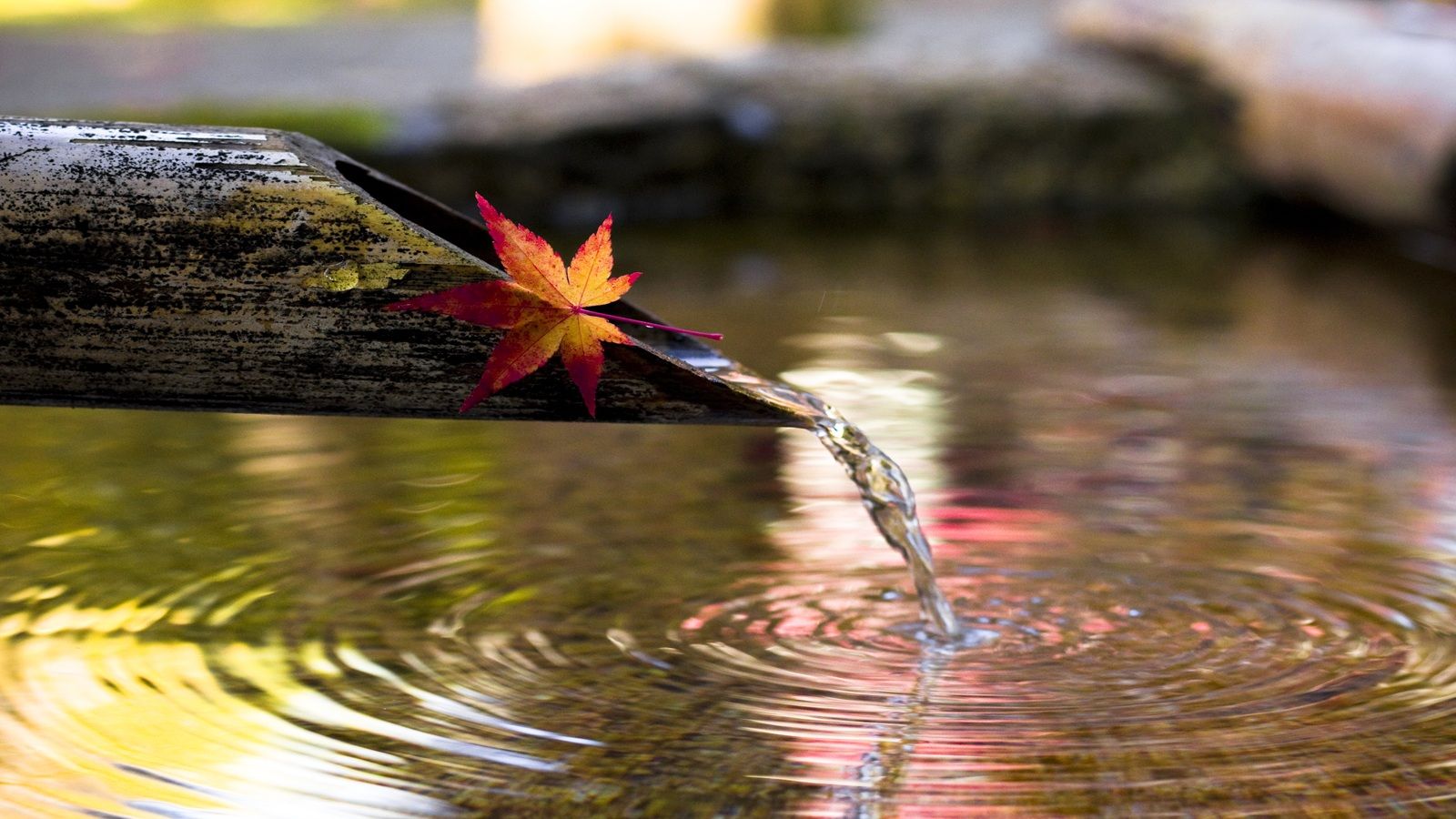
A crucial aspect of Japanese gardens is the use of water, symbolizing purity, renewal, and the passage of time. Traditionally, large ponds or streams serve as focal points, inviting contemplation and reflection. However, these expansive features may not always be feasible for smaller yards. Fortunately, there are ways to evoke the spirit of water in a more manageable space.
Carefully placed water bowls or stone basins can reflect the changing sky and seasons, offering moments of quiet reflection without the need for a large body of water. Moreover, you might consider installing a small fountain or creating a dry riverbed lined with pebbles to replicate the soothing sound of flowing water.
Thoughtful Design in Smaller Spaces
While larger public gardens are often meticulously maintained, smaller residential areas can also embrace Japanese design principles. Achieving a similar aesthetic involves some adjustments in scale and application.
“Water symbolizes flow and balance, but in a water-wise garden it can be expressed through dry streams, gravel swales, or reflective textures," advises Shireen Zia, landscape designer and owner of EcoGardens. “This honors tradition while respecting our climate.”
Meaningful Water Features
1. Ponds and Lakes: Ponds serve as tranquil spots, often surrounded by lush plantings. For a smaller yard, consider a shallow pond that reflects the surrounding gardens. Adding a simple wooden bridge can enhance the view and provide a place for quiet moments.
2. Stone Basins and Reflective Water Bowls: Stone basins, or Tsukubai, are integral to Japanese gardens. These are often placed near tea houses for ritual cleansing. They not only provide a unique design element but encourage visitors to slow down and engage with their surroundings.
3. Streams and Waterfalls: Cascading water features may seem intimidating in smaller gardens, but they can be effectively implemented on a smaller scale. A modest waterfall or meandering stream can be designed with natural stone and plants, creating a focal point that feels organic and harmonious.
4. Dry Pebble Streams: For those looking for low-maintenance alternatives, dry streams made from pebbles can mimic the effect of water features without the upkeep. These can be strategically placed to enhance the landscape while providing functional drainage.
Creating a Serene Atmosphere
To foster tranquility in your garden, focus on softening edges with low-growing plants. Incorporating moss can add a timeless quality while enhancing the serene environment. As Jim Fucetola from Moss Acres notes, “Moss absorbs sound and offers a sense of permanence.”
Conclusion
Exploring the serene world of Japanese garden design offers numerous opportunities to transform your outdoor space into a calm haven. Incorporating elements of water, whether real or symbolic, alongside thoughtfully arranged plantings can create a personal oasis. By engaging with the design principles of these tranquil gardens, you and your family can enjoy a beautiful space that invites relaxation and contemplation, all while enhancing your connection with nature.
Lifestyle choices often reflect how people balance comfort, routines, and everyday responsibilities. We share practical ideas, thoughtful observations, and useful finds that fit naturally into daily life.