


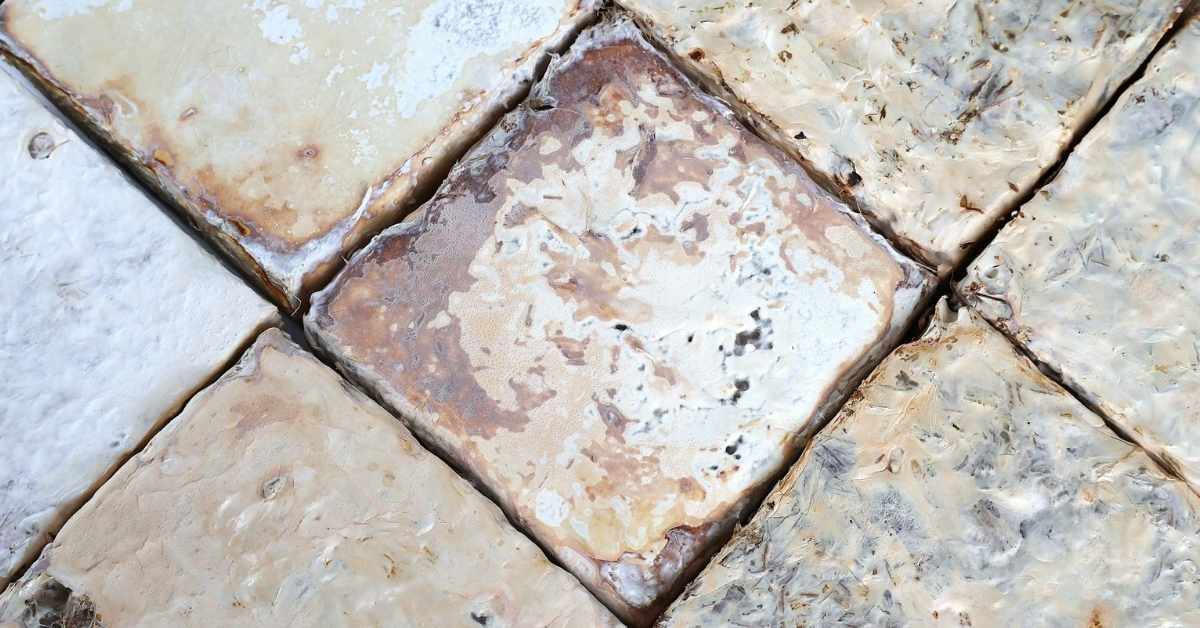
Mycelium Shows Promise in Sustainable Construction
Mushrooms often make headlines for negative reasons, such as poisonings or toxic species. However, there’s a lesser-known aspect of fungi that offers potential benefits: mycelium, the underground network that supports mushroom growth.
Mycelium consists of thin, branching filaments called hyphae that spread through soil and organic matter, breaking down waste into nutrients. This natural recycling process occurs globally in forests, gardens, and compost heaps, allowing the ecosystem to thrive.
Recent research explores the use of mycelium in construction. Mycelium can naturally bind itself to materials like sawdust and straw, forming a strong yet lightweight block. Once the fungi’s growth is halted-often through heat treatment-the resulting material becomes stable without the need for heavy machinery or plastics.
Mycelium-based materials are gaining attention for their characteristics. They can be shaped inside molds and are biodegradable, breathable, and fire-resistant. Applications are emerging in various fields, including packaging, insulation, and even acoustic panels that help reduce noise.
Although still developing, mycelium composites are not yet sufficient to replace traditional materials like bricks or plastics. They can absorb moisture and decay outdoors, which presents challenges for their use in construction. Researchers are focused on improving durability, experimenting with natural reinforcements and protective coatings to enhance performance.
Using artificial intelligence, teams are adjusting growth conditions to produce more uniform and resilient blocks. These efforts aim to make mycelium-based materials suitable for real-world construction needs while maintaining their environmental advantages.
Looking ahead, mycelium could play a role in hybrid materials that combine the strength of engineered substances with the sustainability of organic materials. Although mycelium cannot currently replace high-performance materials, its development continues at a rapid pace.
As researchers explore the potential of mycelium in sustainable practices, the hidden world of fungi may help shape the future of building materials, offering a greener alternative as we seek solutions to environmental challenges.
This summary reflects ongoing research led by Kumar Biswajit Debnath from the University of Technology Sydney, highlighting innovative steps toward eco-friendly construction solutions.
Stories like this tend to catch attention because they highlight small but meaningful moments that people appreciate. We share positive, real-world stories that reflect everyday kindness, progress, and good things happening around us.