






New Study Sheds Light on Japan’s 2011 Earthquake and Tsunami
A recent study conducted at the Japan Trench reveals critical insight into what made the 2011 earthquake and tsunami in Japan so deadly. The research indicates the presence of a unique geological feature that contributed to the intensity of the disaster.
What We Know
- The study was co-authored by Christine Regalla, an associate professor at Northern Arizona University.
- Researchers found a thin, clay-rich layer beneath the seafloor that contributed to the earthquake’s devastating effects.
- The earthquake occurred at a depth of 15 miles, significantly shallower than many similar earthquakes.
- The clay layer, extending for hundreds of miles along the Japan Trench, may increase the frequency of shallow-slip earthquakes.
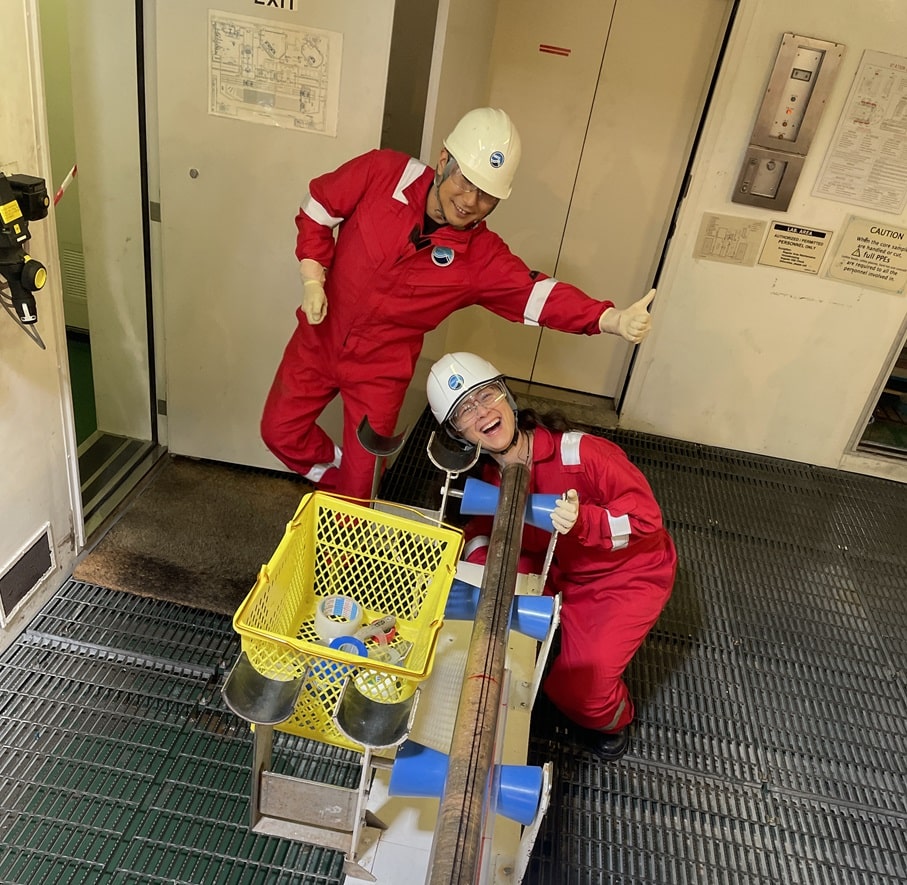
- The drilling effort that discovered this layer is recognized as the deepest scientific ocean drilling ever conducted.
What’s Still Unclear
Details are limited in the source reporting so far regarding further studies that may be needed to explore the implications of these findings.
What This Means
The findings highlight the need for better disaster preparedness, as natural disasters can have far-reaching consequences beyond their immediate locations. Policymakers may consider using this research to improve building standards and emergency protocols in vulnerable areas.
What to Watch Next
Observers should keep an eye on future developments as scientists continue to analyze the findings and their potential impacts on understanding large-magnitude earthquakes and tsunamis.
Original source: Open the source
Editorial note: Cozy Corner Daily summarizes news based on available reporting and updates stories as new details emerge.
Read our editorial guidelines.




