


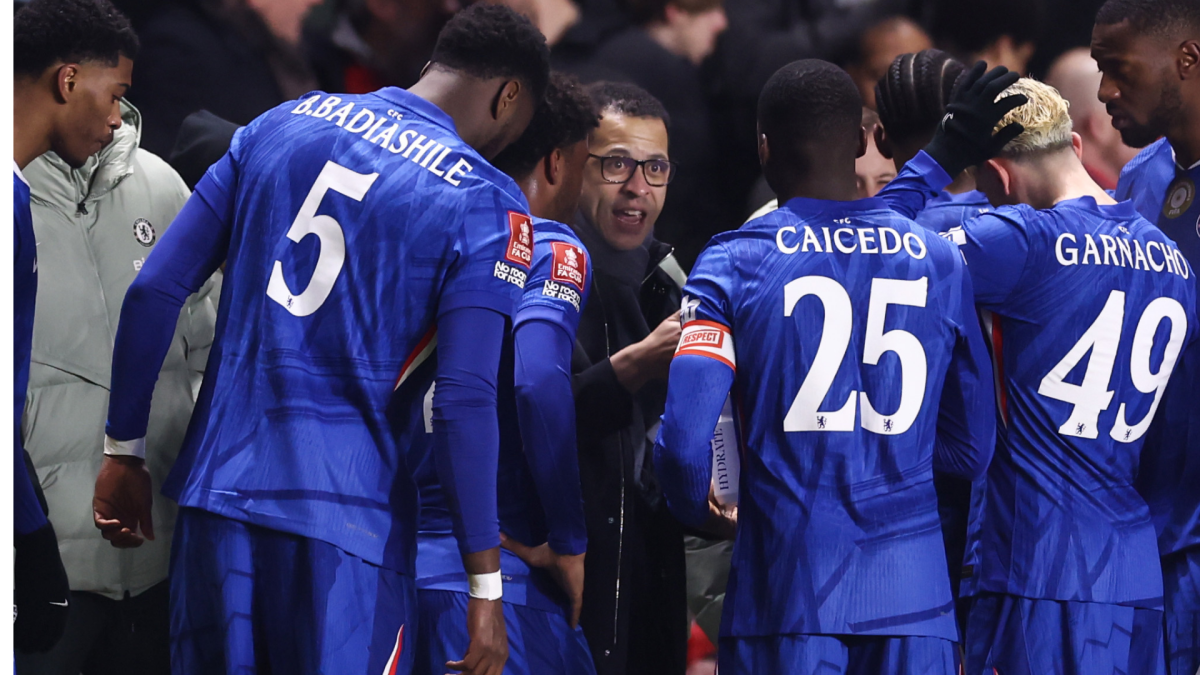
Chelsea FC has appointed Liam Rosenior as the new head coach, stepping into a complex management structure that emphasizes collective decision-making rather than traditional solo authority. This change comes amid a backdrop of mixed performances and strategic adjustments at the club.
Quick context
Rosenior’s first match at the helm resulted in a resounding 5-1 victory against Charlton Athletic, though the match did not fundamentally alter the existing tactics of the team. He stated that he has focused on maintaining the club’s established coaching philosophy rather than reinventing it. “I’ve inherited a good team that has been well-coached,” he noted.
Managerial dynamics
At Chelsea, Rosenior is not the sole voice in management decisions. The club’s sporting directors, including Laurence Stewart and Paul Winstanley, along with others, hold significant influence over player acquisitions and overall strategy. This power structure means that while Rosenior can provide input on recruitment, final decisions will be shaped by a broader leadership team that has cultivated a vision for the club until at least 2031. Key figures like Behdad Eghbali and Joe Shields further contribute to the strategic direction regarding scouting and player pathways.
Future challenges
Although Rosenior has significant experience, he will still need to navigate a landscape where head coaches have less control over squad building than their counterparts in the past. For instance, former manager Enzo Maresca expressed dissatisfaction with the club’s handling of recruitment, particularly when it came to filling gaps left by injured players. This aspect of club operations will be under scrutiny as Rosenior adapts to his new role.
Looking ahead, the financial pressures of the club are substantial. Chelsea’s recent accounts reveal an annual amortization charge nearing $250 million, the highest in the Premier League. Rosenior faces the imminent task of integrating new players, including Geovany Quenda from Sporting CP and strikers Dastan Satpayev and Emmanuel Emegha, into a cohesive unit. Balancing the needs for experienced players with the club’s long-term vision for a young, stable squad will be a critical focus for Rosenior.
Outlook for Rosenior
As Rosenior settles into his role, he has expressed ambitions for long-term success at the club, stating, “I’d love to be here for six years or longer,” contingent upon achieving positive results. He recognizes the high expectations at Chelsea, where past managers have often faced dismissal despite short-term successes. Rosenior is aware that fulfilling the club’s lengthy contract requirements hinges on winning, aligning with Todd Boehly’s vision for a consistent and competitive squad.
In summary, while Liam Rosenior’s appointment is a fresh chapter for Chelsea, the existing power dynamics and pressures within the club demand a careful and strategic approach moving forward. The focus will be on delivering immediate results while laying the groundwork for sustainable success within the rapidly evolving landscape of top-flight football.
Original source: Open the source
Editorial note: Cozy Corner Daily summarizes news based on available reporting and updates stories as new details emerge.
Read our editorial guidelines.