
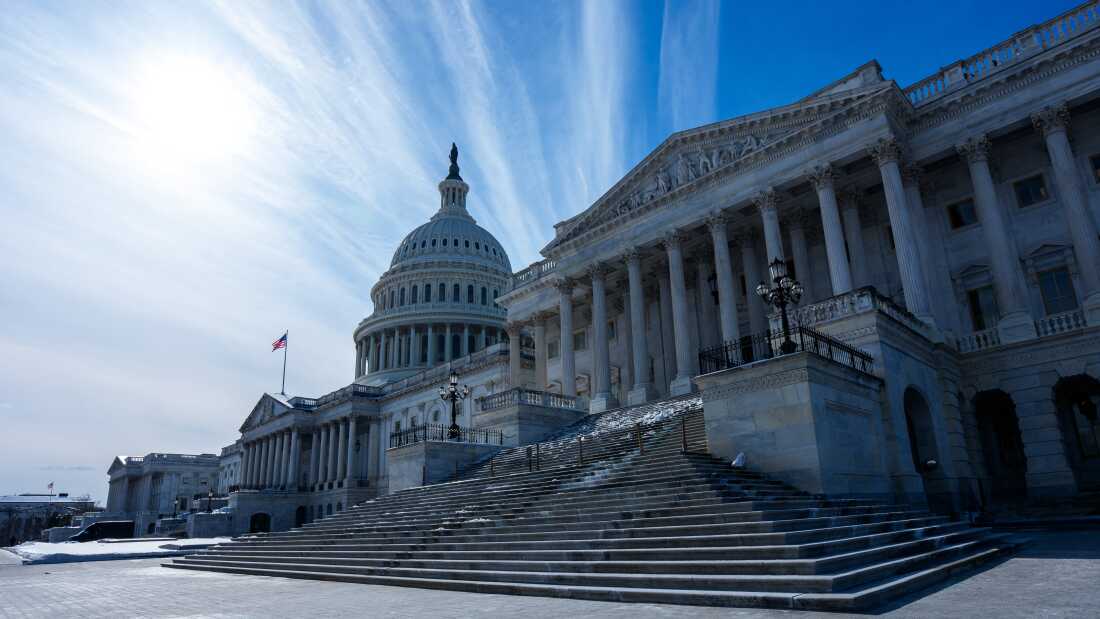


Senate Republicans have successfully blocked a war powers resolution aimed at restricting President Trump’s military actions in Venezuela, following significant pressure from the White House.
Key Details of the Resolution
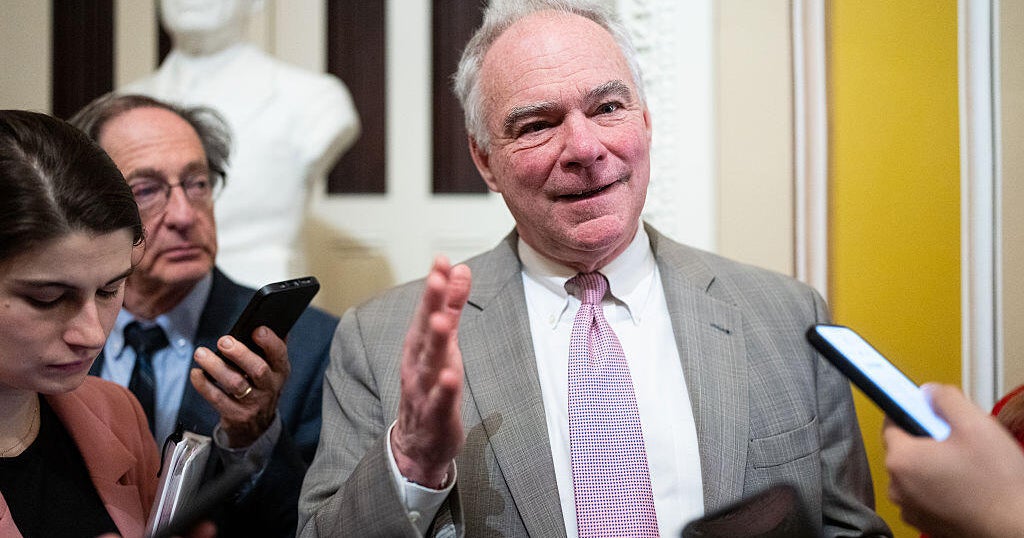
The resolution, introduced by Democratic Senator Tim Kaine of Virginia, aimed to limit President Trump’s authority after the recent capture of Venezuelan leader Nicolás Maduro by U.S. forces. Initially, five Republican senators supported the resolution, allowing it to advance. However, as the vote approached, Senators Josh Hawley of Missouri and Todd Young of Indiana switched their positions, leading to a tie that Vice President JD Vance broke in favor of blocking the resolution.
Arguments Against the Resolution
Senate Majority Leader John Thune of South Dakota argued that the resolution should not be prioritized, as the U.S. is not engaged in active hostilities with Venezuela. He emphasized that there are no U.S. troops on the ground and that military operations are not currently taking place. Thune stated, “We have no troops on the ground in Venezuela. We’re not currently conducting military operations there.”
Reactions from Key Players
Trump’s response to the Republicans who voted against him was swift and harsh, calling them “real losers” and stating they “should never be elected to office again.” Reports indicated that some senators, including Hawley, received calls from Trump and Secretary of State Marco Rubio, clarifying that there would be no plans to send ground troops to Venezuela without congressional approval.
Hawley mentioned that Rubio had addressed his concerns regarding potential troop deployments, assuring him that if such a decision were to be made, it would comply with the War Powers Act. Young defended his shift in support, arguing that senators had secured valuable reassurances from the White House regarding the situation in Venezuela.
The Political Landscape Moving Forward
Before the resolution’s advancement, Republican support was uncertain, with reports indicating a lack of clarity on the administration’s long-term goals in Venezuela. Analysts noted that previous discussions had highlighted insufficient answers from the Trump administration regarding whether its intentions included regime change.
The outcome of the vote may influence future military engagements in the region, as tensions remain high. The resolution had been gaining traction after the capture of Maduro, which raised concerns among lawmakers about the extent of U.S. involvement and potential military action in Venezuela.
Kaine expressed surprise at the last-minute shift among Republican senators, noting that he had expected their support to remain firm. The Senate’s decision has left many questions unanswered about U.S. intentions in Venezuela and the broader implications for U.S. foreign policy.
Original source: Open the source
Editorial note: Cozy Corner Daily summarizes news based on available reporting and updates stories as new details emerge.
Read our editorial guidelines.