





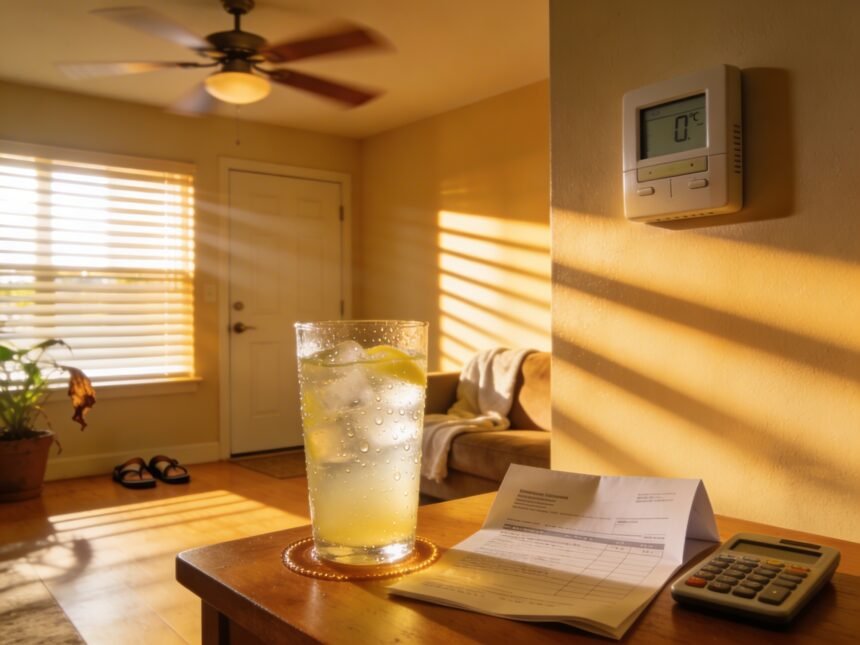
The summer electric bill has a special way of ruining a perfectly normal day.
You think you are doing fine, then the bill shows up and suddenly you are standing in the kitchen, offended by numbers.
And the wild part is that a lot of families are not even doing anything outrageous. They are just trying not to melt.
ENERGY STAR says nearly half of the energy used in a home goes to heating and cooling, which is why smart cooling choices can make such a big difference in comfort and cost. It also says checking filters monthly during heavy-use months, getting yearly HVAC service, sealing air leaks, and using ceiling fans wisely can help lower cooling costs.
So if your summer bill feels aggressive, start there.
The first reset is the air filter.
It is not glamorous, but it matters. ENERGY STAR recommends checking the filter every month during summer and changing it if it looks dirty, or at least every three months. A dirty filter slows airflow, makes the system work harder, and can lead to wasted energy and more wear on the equipment.
That means one cheap neglected filter can quietly help create a very expensive month.
The second thing is to stop cooling air you cannot keep.
If your house leaks cool air through drafts, gaps, or weak insulation, the AC ends up doing extra work for no reason. ENERGY STAR says sealing air leaks and adding insulation can cut costs, and it highlights the attic as a place where improvements often make a big difference. That is exactly why 15-minute home draft test and weekend attic insulation check for a greener home matter before the worst heat hits. Sometimes the bill is not only about how much cold air you make. It is about how much of it your house keeps.
The third thing is to use your ceiling fans like they actually came with a purpose.
ENERGY STAR says raising the thermostat by two degrees while using a ceiling fan can cut air-conditioning costs by up to 14 percent, and it reminds people that fans cool people, not empty rooms. That means if the room is empty, turn the fan off. Let the fan help you feel cooler while the thermostat does a little less.
The fourth reset is your thermostat habits.
Not just the number, but the habits around it. If the thermostat gets touched every hour because nobody agrees on what “comfortable” means, the whole house ends up stressed. ENERGY STAR notes that certified smart thermostats can help families save around $100 a year in homes with high heating and cooling use. That does not mean everybody needs to go buy a new device tonight. It just means routines matter. So do schedules. So does not running the house like a temperature tug-of-war.
If this is already a pattern in your home, thermostat mistakes costing money fits naturally here because some high bills are not from one big problem. They are from small repeated habits.
Another place to look is the outdoor unit.
If it is crowded by weeds, leaves, or debris, it cannot move air as well as it should. A quick cleanup around the unit costs almost nothing and can help the system do its job better. And if you have not had the system checked in a while, this is the season to stop hoping and start looking. ENERGY STAR recommends yearly HVAC service to keep equipment running efficiently. That lines up with eco-friendly HVAC maintenance habits that lower bills because boring maintenance keeps turning out to be one of the cheapest ways to avoid bigger trouble.
Blinds and curtains matter more than people think too.
If the sun is blasting into the hottest rooms all afternoon, you are basically paying to fight your own windows. Closing blinds or curtains during peak heat is one of those small practical habits that helps the house stay calmer. Not glamorous. Not thrilling. But effective.
The same goes for heat you create indoors.
Oven-heavy dinners, long dryer runs, and constant heat-producing chores in the hottest part of the day all make the AC work harder. If your evenings already feel sticky and crowded, move some of that heat-producing work earlier or later. That is one reason I like easy summer meal content and lighter dinner options in the same season. The less heat you add inside, the less you have to pay to remove it.
I also think this is where your broader home budget mindset matters. A high electric bill is frustrating on its own, but it hits harder when the rest of the budget is already tight. That is why this article naturally sits beside cut household bills by $400 and water bill reset for busy families. Once you start looking at utilities as a system instead of one random emergency after another, the whole month usually feels less chaotic.
The point of a summer electric bill reset is not to make your family miserable.
It is not about sitting in a hot house proving a point.
It is about making sure the money you spend is actually buying comfort instead of leaking out through dirty filters, hot windows, drafty gaps, and bad habits. That is a very different thing.
So before the next bill shows up and ruins your mood, reset the basics. Check the filter. Use the fans right. Block the heat. Test the drafts. Clean around the unit. Make the house easier to cool.
That is usually where the real savings start.