







Native Plant Blooming Patterns Evidence of Climate Change in the UK
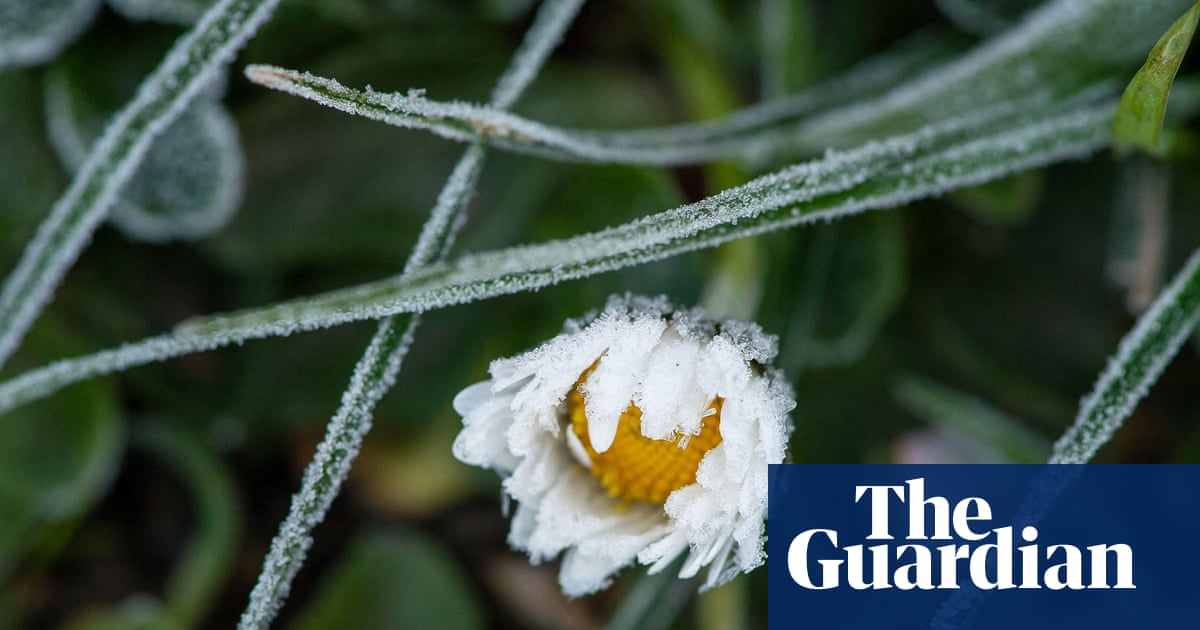
Daisies and dandelions, along with hundreds of other native plant species, are currently blooming across the UK, which scientists describe as an indication of climate change’s impact on the natural environment. The Met Office conducted an analysis of data from the annual New Year’s Plant Hunt, spanning nine years, finding that for every 1°C rise in temperature during the previous November and December, an additional 2.5 species are observed in bloom during the New Year period.
This year’s plant hunt began on Thursday and will continue through Sunday. In 2025, citizen scientists documented 310 native plant species in bloom, a figure significantly higher than the usual expectation of 10 species for this time of year. This count includes 646 flowering species overall, accounting for both native and non-native varieties.
Kevin Walker, a scientist with the Botanical Society of Britain and Ireland (BSBI), noted that these observations demonstrate a clear connection between rising temperatures and the effects on plant species. He characterized this trend as evidence of climate change impacting wildlife. Early reports for 2026 have listed common wildflowers, such as daisies and dandelions, among those unexpectedly in bloom, alongside non-native species like Mexican fleabane and both white and red dead-nettles.
The increase in global temperatures, attributed largely to fossil fuel pollution, has raised average temperatures by approximately 1.4°C above preindustrial levels. This rise has resulted in more extreme weather conditions and habitat disruptions. Recently, the Met Office indicated that 2025 is likely to be the hottest year on record for the UK.
Debbie Hemming, a vegetation expert at the Met Office, stated that the data provides tangible evidence of how climate change is directly impacting the environment. She highlighted that these findings illustrate how escalating temperatures and climate-related extreme events are altering the natural cycles of plants and wildlife.
Stories like this often draw attention because they reflect broader conversations happening in everyday life and culture. We focus on presenting clear summaries so readers can understand what’s being discussed and why it matters.









Really interesting development. Can’t wait to see how this story unfolds further.