


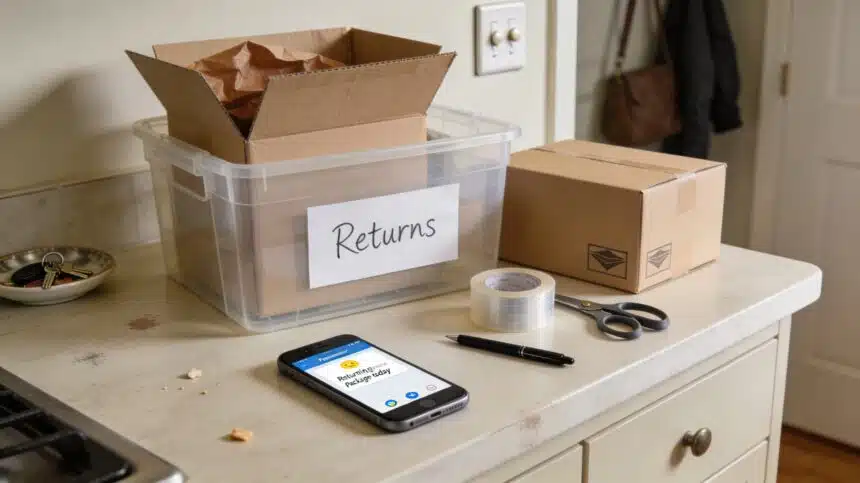
I used to treat returns like a future problem.
- Why returns become a money leak
- The returns system (simple setup)
- Step 1: Set up one “Returns Bin” (the visibility fix)
- Step 2: Create the “Return Label Folder” (so labels don’t disappear)
- Step 3: Pick a weekly Returns Day (15 minutes)
- Step 4: Use the “No Rebuy Rule” (this stops the repeat buying)
- Step 5: Add one “return decision question” to every purchase
- Step 6: Reduce the number of returns you create
- Do this today (10 minutes)
- FAQ
- What if I’m too busy to do returns weekly?
- What if I miss the return window?
- Will this really save money?
- Bottom line
I’d tell myself, “I’ll return it later.” Then later didn’t happen. The return window closed. The item sat in a corner. The refund never came. And somehow I’d still order something similar again because I forgot I already tried it.
So I wasn’t just overspending. I was doing this extra painful combo:
- buy something
- feel disappointed
- forget to return it
- lose the refund
- buy again
That cycle is sneaky because it doesn’t feel like spending in the moment. It feels like “I’m fixing a problem.” But the money impact is real.
This post is the Amazon returns habit system that stops repeat buying and gets refunds back faster, without turning your life into a warehouse.
And if Amazon spending in general is the bigger issue, start here first: Amazon spending out of control? how to stop.
Why returns become a money leak
Returns become a money leak for three reasons:
- Time: returning takes effort and we avoid effort when tired.
- Clutter: the item sits around and becomes invisible.
- Deadlines: return windows close quietly.
And when money is tight, missing refunds hurts more than people admit. It’s not “just $23.” It’s groceries. Gas. A bill. It matters.


If you want a bigger picture of these “quiet leaks,” read: where does my money go? find budget leaks.
The returns system (simple setup)
You need three things:
- One returns bin
- One returns day each week
- One rule for buying again
That’s it. You’re building a routine, not a personality transplant.
Step 1: Set up one “Returns Bin” (the visibility fix)
Pick one bin. Clear is best because you can’t pretend it’s not there.
Label it: RETURNS.
Any item that needs to go back goes in the bin the same day it arrives. Not “later.” Same day.
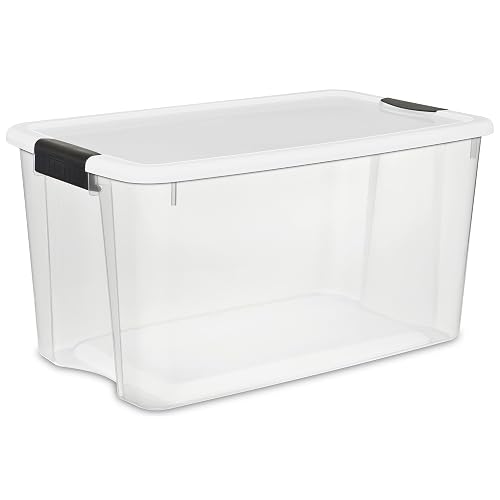


And yes, that means you need a quick habit when packages show up: open, decide, bin or keep.
If you’re the type who gets overwhelmed by clutter piles, this organizing post helps: how to start decluttering when you’re completely overwhelmed.
Step 2: Create the “Return Label Folder” (so labels don’t disappear)
Use one folder in your email or one physical envelope:
- Email folder: “Returns”
- Physical: envelope taped to the side of the bin
When you create a return label, it goes there immediately. No searching later.
Step 3: Pick a weekly Returns Day (15 minutes)
Choose one day and time you can repeat. Example: Sunday afternoon or Wednesday morning.
On Returns Day you:
- Pull everything from the returns bin
- Check deadlines
- Pack items
- Drop off returns (or schedule pickup if available)
Set a calendar reminder. Your brain will not remember automatically. That’s normal.
Step 4: Use the “No Rebuy Rule” (this stops the repeat buying)
Here’s the rule that saves money:
You cannot buy a replacement until the return is dropped off.
Because what usually happens is: you buy a replacement immediately, then you never return the original, and now you paid twice.
This is also why Amazon spending spirals so easily. If you want a full system to stop that pattern, this post is strong: stop the Amazon spending spiral (saved $200/month).
Step 5: Add one “return decision question” to every purchase
Before you buy, ask:
“If this doesn’t work, do I realistically have the energy to return it?”
If the answer is no, don’t buy it. Or buy it only if you’re okay with losing the money.
This sounds harsh, but it saves you from ordering stuff you don’t actually want to deal with.


Step 6: Reduce the number of returns you create
Returns are not free. They cost time, energy, and brain space. So reducing returns is part of reducing overspending.
Three ways to cut returns:
- Stop buying “maybe” items late at night.
- Wait 48 hours before checkout for non-urgent items.
- Buy fewer duplicates “to compare.”
If your Amazon habits feel out of control, this post helps you reset the behavior, not just the cart: I stopped the Amazon overspending spiral with this simple system.
Do this today (10 minutes)
- Set up a clear Returns Bin.
- Create a “Returns” email folder.
- Pick your weekly Returns Day and set a reminder.
- Adopt the No Rebuy Rule.
FAQ
What if I’m too busy to do returns weekly?
Then do it every two weeks. But put it on the calendar. The routine matters more than the frequency.
What if I miss the return window?
It happens. Use it as data. Your system needs more visibility or earlier reminders. Don’t turn it into shame.
Will this really save money?
Yes. Refunds returned on time are real money back. And the No Rebuy Rule stops double-buying, which is where the big waste happens.
Bottom line
Amazon returns become expensive when they become invisible. A returns bin, a returns day, and a no-rebuy rule turns refunds into something you actually get back, instead of money you quietly lose.
If you want a structured plan rather than individual tips, The Family Budget Reset ($22) is a 30-day framework for identifying exactly where the money is going and reassigning it — built specifically for families, not single earners.
For books and tools that go deeper on this topic, Amazon has a solid selection worth browsing.






Have you ever returned something you bought on impulse? Check out this link for tips! #ShoppingTips #AmazonReturns #CozyCornerDaily