







If your house feels like it’s somehow colder inside than outside, it’s not your imagination. It’s usually drafts. Tiny, rude little air leaks that turn your heater into a full-time employee.
- What you’re doing (simple version)
- The 15-minute draft test (2 easy options)
- The top 6 draft spots people miss (and the quick fix)
- 1) The bottom of your front door
- 2) The top corners of windows
- 3) Outlet plates on exterior walls
- 4) The sash area (where windows slide)
- 5) Fireplace damper
- 6) The attic hatch
- Quick “do this first” order (fastest wins)
- FAQs
Here’s the good news: you can find most drafts in 15 minutes without buying a bunch of gadgets or crawling around like a raccoon in your attic.
And yes, this can lower your bill because when you stop warm air from escaping, your system doesn’t have to keep “catching up” all day.



Also, if your bill has been acting disrespectful lately, bookmark this and come back tonight when it’s dark and cold. Drafts show up better then.
What you’re doing (simple version)
You’re looking for air movement around the usual suspects:
- Exterior doors
- Windows
- Outlet plates on outside walls
- Baseboards near exterior walls
- Fireplace dampers
- Attic hatch access
The 15-minute draft test (2 easy options)
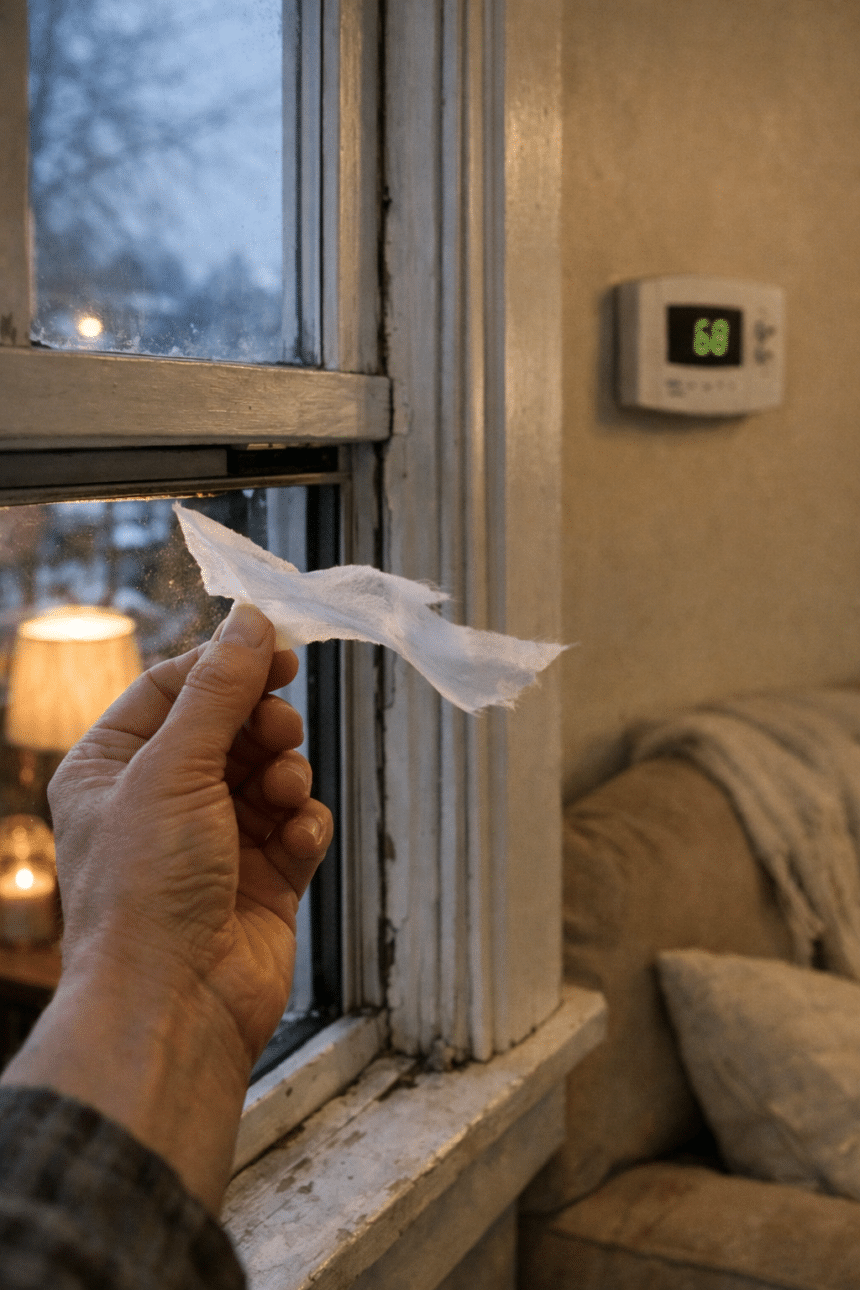
Option A: The “hand + tissue” method
- Turn off ceiling fans.
- Close all windows and exterior doors.
- Put your hand near the edges of doors and windows.
- If you’re not sure, hold a strip of tissue or a thin piece of toilet paper near the edge.
- If it flutters, congrats, you found your money leak.
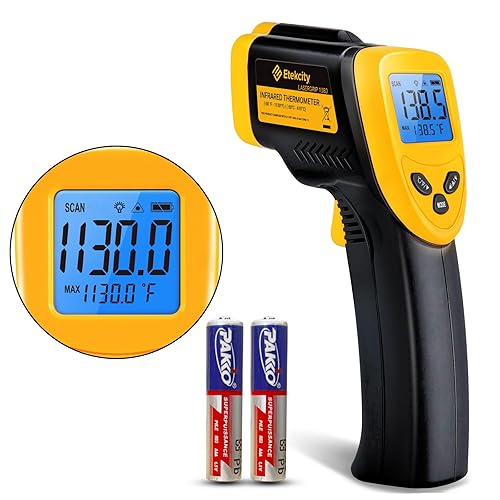
Option B: The “cheap tech” method (my favorite)
An infrared thermometer won’t show drafts directly, but it will show cold spots fast, which is basically the same thing for our purposes.
- Scan around window frames, door trim, and baseboards.
- Big sudden temperature drops usually mean air is sneaking in.
The top 6 draft spots people miss (and the quick fix)
1) The bottom of your front door
If you can see light under your door, that’s not “charming.” That’s heat leaving.
- Quick fix: add or replace a door sweep.
2) The top corners of windows
Those tiny gaps where the trim meets the wall can leak like crazy.
- Quick fix: clear silicone caulk for small gaps.
- If it’s bigger than a skinny pencil, use foam backer rod first, then caulk.
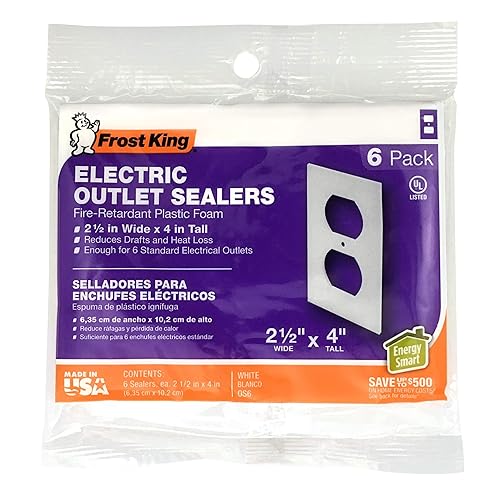
3) Outlet plates on exterior walls
This one surprises people. Cold air comes right through.
- Quick fix: outlet foam gaskets behind the cover plate.
4) The sash area (where windows slide)
Even “good windows” leak here.
- Quick fix: V-seal weatherstrip or foam tape.
5) Fireplace damper
If you have a fireplace you don’t use, it can act like a vacuum sucking warm air out.
- Quick fix: damper closed tight, consider a chimney balloon if it’s really bad.
6) The attic hatch
This is a big one in older homes.
- Quick fix: weatherstrip around the hatch perimeter.
Quick “do this first” order (fastest wins)
- Door sweep
- Outlet gaskets
- Foam tape or V-seal on worst window
- Caulk gaps in trim
- Window insulation film for the coldest room
If your house is still freezing after this, your thermostat may be working against you. Read this next: thermostat mistakes that quietly raise your bill.
And if you’re in freeze territory soon, this is the “don’t learn the hard way” guide: freeze-proof your house before the next cold snap.
FAQs
Q: How do I know if it’s a draft or just a cold wall?
A: Drafts feel like movement. Cold walls feel… still. Tissue fluttering is the easiest tell.
Q: Should I caulk or weatherstrip?
A: Weatherstrip where things move (doors, windows that open). Caulk where nothing moves (trim seams, small wall gaps).
Q: Is window film actually worth it?
A: In the coldest room, yes. It’s one of the cheapest “feel it tonight” fixes.
Q: Can I just crank the thermostat instead?
A: You can, but it’s like trying to fill a bucket with a hole. Seal first, then adjust.
For the cleaning products and tools mentioned here, Amazon has everything you need delivered to your door.














Have you tried a draft test before? Check out this quick method to save on heating! #EnergySavings #HomeHacks #CozyCornerDaily
Have you tried a draft test before? Check this out to save on heating costs! #HomeTips #EnergySavings #CozyCornerDaily