








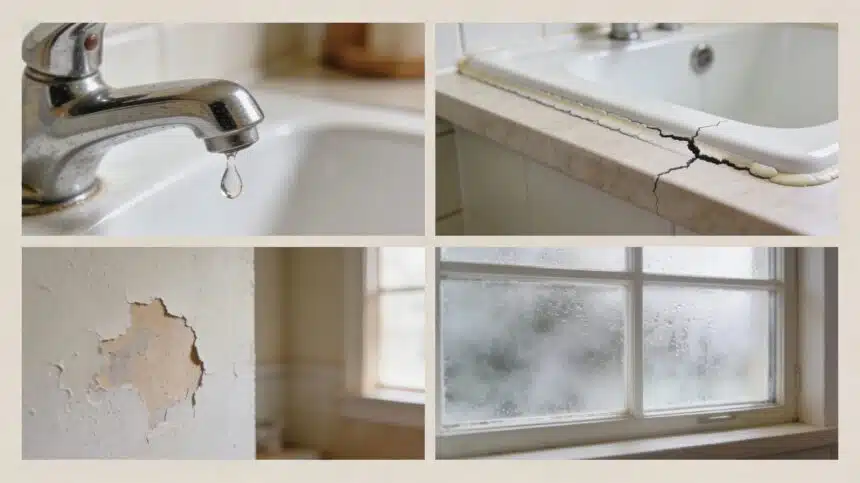
The small home issues that quietly wreck your budget
Here’s the thing. Houses almost never explode from one giant problem. It’s always the tiny things you “meant to deal with later.”
- The small home issues that quietly wreck your budget
- 1. Dripping or leaky faucets
- 2. Slow drains and minor clogs
- 3. Water stains on ceilings or walls
- 4. Peeling or cracked caulk around tubs and sinks
- 5. “Just a little” mold or mildew
- 6. Drafty windows and doors
- 7. Running toilets
- 8. Flickering lights and warm outlets
- 9. Strange HVAC noises or smells
- 10. Frozen or exposed pipes
- You don’t have to fix everything today
- FAQs
The slow drip under the sink.
The fuzzy spot on the bathroom ceiling.
The cold draft you keep ignoring on the couch.


I learned this the hard way. I once ignored a tiny ceiling stain because I was tired and overwhelmed. Months later that “little stain” turned into a full‑on leak and a repair bill that could have covered a vacation.
So let’s walk through the repairs you really can’t ignore. The goal isn’t to scare you. It’s to show you where a Saturday afternoon and a $12 part can save you from a $1,200 disaster.
1. Dripping or leaky faucets
A drip sounds harmless. It’s “just a few drops,” right? Except a slow drip can waste dozens of gallons of water a month and is often your first hint something inside the faucet is wearing out.
Left long enough, that drip can:
- Damage the sink surface
- Stain fixtures
- Turn into a full leak under the cabinet
The good news is that many faucet leaks are simple cartridge or washer issues. Guides like fix leaky faucet yourself save money show how to shut off water, take things apart, and replace the cheap little part that’s causing the problem.
Ignore it and you’re not just paying a higher water bill. You’re risking cabinet damage, warped wood, and mold under the sink.
2. Slow drains and minor clogs
If your sink or tub takes forever to drain, that’s your warning. A slow drain is usually hair, soap scum, or grease building up. Leave it alone and you’ll end up with a full clog at the worst possible moment.
Before you reach for the harshest chemicals, try the simple stuff. Your how to unblock sink drain fast and how to unblock clogged toilet fast walk through easy, beginner‑friendly fixes.
Why this matters: constant backups put pressure on pipes and can lead to leaks, overflows, and nasty sewage issues. A $10 drain snake now beats a $300 plumber visit later.
3. Water stains on ceilings or walls
That little yellowish ring on the ceiling? It’s not just ugly. It’s your early warning that water is going where it shouldn’t.
Possible causes:
- Roof leak
- Leaky pipe
- Condensation from poor ventilation
Water and drywall are a bad combo. If you ignore stains, you risk:
- Rotting wood framing
- Mold behind the walls
- Sagging ceilings
If the stain is near a bathroom, pair this with your bathroom fan not removing moisture fix and stop window condensation before mold. Fixing the moisture source is just as important as repairing the stain.
4. Peeling or cracked caulk around tubs and sinks
Caulk is that thin, rubbery line that seals gaps around tubs, showers, and sinks. Once it cracks or peels, water slides right behind it and starts soaking into the wall or floor.
Signs you need to act:
- Dark lines or gaps in caulk
- Mold growth along the edge
- Soft spots around the tub or toilet
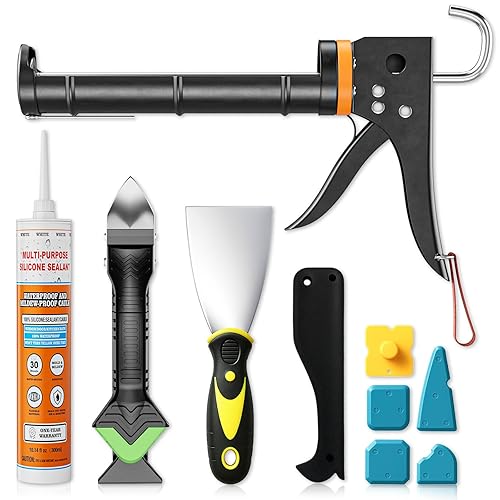
Replacing caulk is cheap and doable even if you’re a beginner. A tube of bathroom caulk and a simple caulk gun cost less than a takeout dinner. The alternative is water damage and possibly a full bathroom repair. Not fun. Ask the version of me who had to learn a grout cleaning hack that saved $500 on a bathroom renovation.
5. “Just a little” mold or mildew
Tiny mold spots in bathrooms or around windows are easy to shrug off. You’re busy. It’s just a bit of discoloration. Except mold is one of those problems that never fixes itself.
Mold can:
- Spread behind walls
- Trigger allergies and breathing issues
- Signal deeper moisture problems
Your how to get rid of mold in house complete guide walks through when you can DIY and when to call in help. The key is catching it while it’s small and dealing with the moisture cause, not just wiping the surface.
6. Drafty windows and doors
If you can feel a breeze around closed windows or under doors, money is literally leaking out of your house. Drafts make your heating and cooling system work harder, which means higher bills and more wear on your HVAC.
Check for drafts using your 15 minute home draft test. Then seal gaps with:
- Weatherstripping
- Door sweeps
- Caulk for fixed gaps
Combine that with the fixes in your energy bill reset easy cuts that work and you’re not just more comfortable, you’re slowing down expensive system wear.
7. Running toilets
A toilet that randomly refills, runs forever, or makes hissing noises when no one touched it is usually wasting a lot of water. Inside the tank, simple parts like flappers and fill valves wear out over time.
Why you shouldn’t ignore it:
- It can waste hundreds of gallons of water a month
- Your water bill quietly climbs
- A stuck flapper can lead to overflows
Toilet repair kits are inexpensive and designed for beginners. This is also a great “first repair” if you feel intimidated by home fixes.
8. Flickering lights and warm outlets
Electrical issues are not something to push off until later. If you notice:
- Lights that frequently flicker
- Outlets that feel warm to the touch
- A burning smell
- Frequently tripped breakers
You’re not just dealing with annoyance. You may be looking at a fire hazard.
This is one area where calling a licensed electrician is genuinely worth it. You can use a simple outlet tester to check basic safety, but if something seems off, don’t wait and hope it resolves itself.
9. Strange HVAC noises or smells
Your heating and cooling system is one of the most expensive “organs” in your house. Letting it run stressed out is like driving your car with no oil.
Warning signs:
- Grinding, squealing, or banging noises
- Musty smells when the system kicks on
- Some rooms never getting warm or cool
At minimum, change filters regularly like in your HVAC filter change dropped heating bill. Then, if you notice new noises or smells, schedule a tune‑up before something major burns out.
10. Frozen or exposed pipes
If you live anywhere with freezing temps, pipes are one of those “ignore this and it will absolutely bite you” issues. Frozen pipes can burst, flooding walls, floors, and everything nearby.
If temps are dropping and you notice slow water flow, strange noises, or frosty pipes in unheated areas, follow your what to do when pipe freezes steps immediately.
Even in warmer places, exposed pipes in garages or crawl spaces deserve a quick insulation wrap. Simple foam sleeves now can prevent catastrophic damage later.
You don’t have to fix everything today
I know this list can feel like a lot. The goal isn’t to make you panic. It’s to help you see which issues deserve your attention first so you’re not blindsided by a big bill later.
If you’re brand new to this, start with something small from home repairs zero experience no tools required. Build your confidence a little at a time. You’re allowed to be a beginner and still protect your home.
FAQs
Which repair on this list should I tackle first?
Start with anything involving active water: leaks, drips, stains, or running toilets. Water damage gets expensive fast. After that, deal with electrical concerns, then drafts and cosmetic fixes.
How do I know if I can DIY a repair or if I need a pro?
If the problem involves structural issues, main electrical work, gas lines, or you simply feel scared to touch it, call a pro. Smaller tasks like caulking, basic plumbing fixes, and draft sealing are perfect for beginners and covered in guides like home repairs zero experience no tools required.
What basic tools should every homeowner have for these repairs?
Start with an adjustable wrench, screwdriver set, utility knife, caulk gun, pliers, tape measure, stud finder, and a small drill. Over time, you can add things like a drain snake, outlet tester, and moisture meter, especially if your home has a history of leaks.
Can I spread these repairs out over a few months?
Yes. Make a simple list and sort it by urgency: water issues and electrical first, comfort and energy leaks second, cosmetic last. Even one small repair per month, like in 5 home repairs I finally learned to do myself and saved $500, makes a huge difference over a year.
How can I budget for home repairs when money is tight?
Treat repairs like a bill. Set aside a small amount each month into a “house fund.” When you do a subscription audit or energy bill reset, redirect part of those savings into that fund so you’re not scrambling when something breaks.
What happens if I keep ignoring these issues?
Some things might limp along for a while, but most will eventually turn into bigger, more expensive problems: mold, warped floors, structural damage, or system failures. The whole point of catching them early is trading panic emergencies for smaller, predictable fixes.
I feel overwhelmed. Where do I even start?
Pick one visible, simple task, like re‑caulking a tub or fixing a slow drain, and follow a step‑by‑step guide. When that’s done, celebrate it. Then move to the next thing. You don’t have to become a full DIY person overnight. You just have to stop looking away.
For the tools and materials needed for this project, Amazon has everything you need delivered to your door.














Which home repair have you overlooked? Don’t wait until it costs you—check out the link! #HomeMaintenance #DIY #CozyCornerDaily