








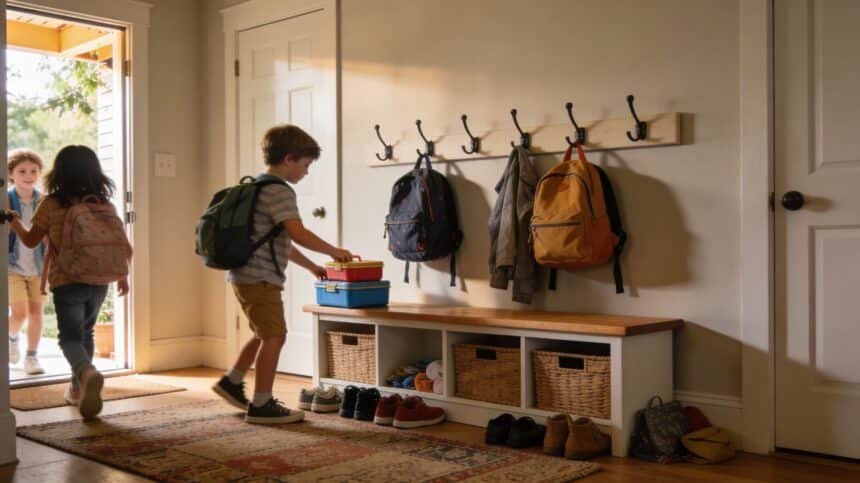
Every weekday at 3 pm used to feel like a small tornado blew through our front door. Backpacks on the floor. Shoes in the hallway. Lunchboxes rotting somewhere mysterious. Everyone hungry and cranky, including me.
I kept thinking I needed the perfect chore chart or some Pinterest‑worthy command center. What I actually needed was a predictable, boring little routine that every kid could follow without me nagging 400 times.




So we built one. It’s not fancy. But it finally stopped the after‑school chaos and, bonus, got the kids to help clean up without constant yelling.
Why after‑school feels so hard
Most kids walk in the door with:
Low blood sugar
A whole day of “holding it together” at school
Zero interest in more rules
Parenting guides say the same thing: routines work better than speeches, and kids need a little decompression built into the plan. I had to accept that my old approach (“come in, do everything perfectly, no fun until it’s done”) was setting us all up to fail.
The new goal: one simple checklist they can memorize and follow, with just enough structure to keep the house from exploding.
Step 1: Fix the “backpack dump” first
Every expert article on after‑school routines starts in the same place: what happens in the first 2 minutes sets the tone.
So we made two rules for “as soon as you walk in the door”:
Backpack goes to its home (hook, cubby, or designated spot)
Lunchbox comes out and goes to the kitchen
That’s it. No homework yet. No chores list. Just breaking the habit of dropping everything in the doorway.
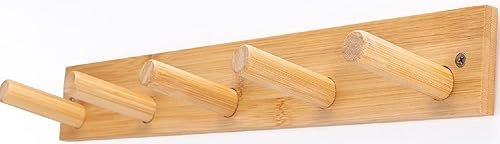
Hooks + one basket near the door did most of the work here, like a mini version of your simple command center that keeps our family organized. If your kids are little, put hooks at their height so they can actually reach them.
Step 2: Deal with papers before they become a pile
School papers multiply like gremlins. If I let them sit, I end up with a mountain on the counter and twelve “urgent” forms I missed.
Now our rule is:
Kids put folders or papers in a specific spot on the counter
I do a 2‑minute triage while they eat snack
Articles on paper clutter say the same thing: sort into recycle, action, and keep right away. That’s what I do:
Trash/recycle: random worksheets, old flyers
Action: homework, forms to sign
Keep: a few special art pieces or info I need
Big stuff we’re keeping goes into one bin so it doesn’t live on the counter. This small habit keeps our evenings and my brain so much calmer.
Step 3: Snack, connection, then responsibilities
Every parenting routine guide I’ve read says kids do better when they know the order: snack, connection, then work. So we made that the backbone.
Our after‑school order is:
Home → backpack + lunchbox
Bathroom + wash hands
Snack at the table
Quick “how was your day” chat
Then: homework and small chores
Then: play or screen time (with clear rules)
Snack is where I try to actually look at them and listen, not just bark instructions while I wipe counters. It sounds small, but it makes the rest of the routine smoother. Your evening routine that saved my sanity has the same vibe: connection first, then tasks.
Step 4: Build in tiny chores while they still have momentum
Articles about after‑school routines for different ages all recommend light chores after snack and before screens. The key is “light.” Not scrubbing the whole bathroom. Just enough to build responsibility and help the home run.
At our house, options include:
Put shoes away in the right spot
Tidy their room for 5 minutes
Set the table for dinner
Feed the pet
Switch or fold one small load of laundry (for older kids)
You already have great ideas in posts like the simple command center and get kids to listen without yelling. The big thing for us was keeping chores:
Short (5–10 minutes)
Specific (“put Lego in the blue bin”)
Predictable (same few things most days)
Step 5: Put homework in its place (literally)
Most kids don’t need a dedicated “homework room,” but they do better with a consistent starting point. Guides say it’s fine to rotate spots as long as expectations are clear.
We use:
Homework caddy with pencils, erasers, crayons, scissors
One main spot (kitchen table) plus backup options (desk, couch table)
Our rule: homework first, then screens. If there’s no homework, they can read, draw, or play quietly for a set time.
I keep the caddy near where we usually sit for the 10 minute closing shift so cleanup is easy.
Step 6: Link screen time to the routine, not behavior
Screens are part of life. Fighting them all day is exhausting. So we tied screen time to the routine instead of moods.
Our basic rule:
After backpack, lunchbox, snack, one small chore, and homework are done → screen time is allowed within our screen time rules that actually work.
If they skip steps, screens wait. No lecture. Just “routine first, then screens.” It’s very much in line with what behavior and parenting experts recommend.
Step 7: End the night with a quick reset
To keep mornings from being chaos again, we do a tiny reset before bed:
Backpacks repacked and by the door
Clean water bottles/lunch containers ready
Pick out clothes for tomorrow
Quick living room tidy
This ties straight into your school morning routine that finally ended the chaos and your evening routine that saved my sanity. Ten minutes at night saves thirty in the morning.
FAQs
What age is this after‑school routine for?
You can use a version of this from preschool through middle school. Little kids might need pictures on a chart and more help. Older kids can handle more homework time and slightly bigger chores.
What if my kid melts down as soon as they get home?
Build in a decompression buffer. Some kids need 10–15 minutes of quiet or play before homework. You can still keep the same order (bags away, snack, connection) and shift when the responsibilities happen.
How do I get my child to actually follow the routine?
Start small. Introduce one or two steps at a time (backpack spot, lunchbox, snack), then add chores and homework once those feel normal. Use checklists or visual charts like many after‑school routine guides suggest.
Should chores come before or after homework?
It depends on your kid. Some focus better if they get a quick chore and snack out of the way first. Others do well going straight into homework while they’re still in “school brain” mode. Try both for a week and see which ends with fewer battles.
What if sports or activities blow up our afternoons?
On busy days, shrink the routine. Non‑negotiables are: backpack away, lunchbox emptied, quick snack, and water bottle refilled. Homework might move later. Tie chores to another time (after dinner, or weekends) during heavy seasons.
How do I keep papers from taking over the kitchen?
Have one inbox for all school papers and deal with it daily during snack, like paper‑management experts suggest. Recycle aggressively, file a few important keeps, and sign/return what’s needed right away.
Can this routine help with my own stress too?
Yes. Having a predictable flow means less decision‑making and fewer “I told you to…” arguments. It also dovetails nicely with your evening routine and closing shift, so the whole day feels smoother.
For parenting books and resources on this topic, Amazon has a solid selection worth browsing.














What’s your secret to getting kids to clean up? Check out this routine that works! #ParentingHacks #CleanKids #CozyCornerDaily