





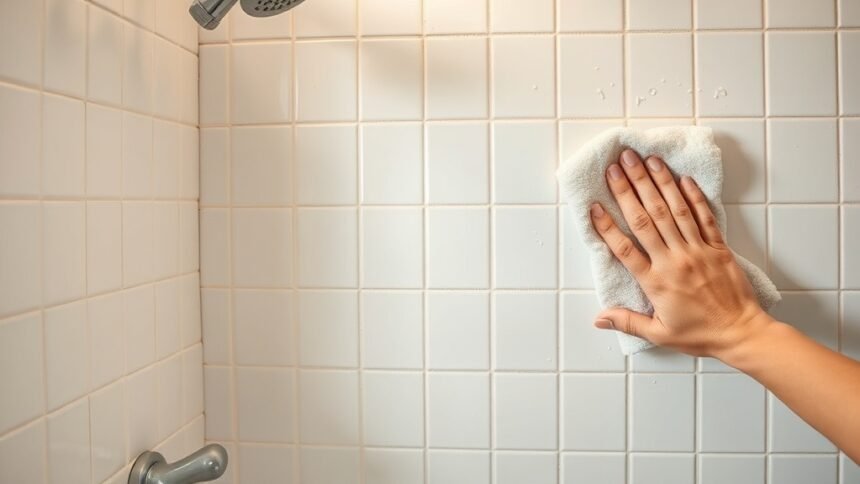
Soap scum is one of those cleaning problems that makes people want to burn their bathroom down and start over. It builds up slowly, coats every surface in the shower, and laughs at your half-hearted attempts to wipe it away with a wet cloth. If you’ve been fighting soap scum and losing, the problem isn’t effort. It’s strategy.
Soap scum forms when fatty acids in bar soap react with minerals in your water, creating that chalky, filmy residue on glass doors, tiles, faucets, and tubs. Hard water makes it worse. The higher the mineral content in your water, the faster and thicker soap scum builds up. Understanding what it actually is helps you pick the right approach to removing it instead of scrubbing in circles for twenty minutes.
The Vinegar and Dish Soap Method
This is the go-to method for light to moderate soap scum on tile, glass, and porcelain surfaces. Heat one cup of white vinegar in the microwave until it’s warm but not boiling, about 60 seconds. Pour it into a spray bottle and add one tablespoon of dish soap. Shake gently to combine. The warm vinegar dissolves mineral deposits while the dish soap cuts through the greasy component of soap scum.
Spray the solution generously on the affected surface and let it sit for 15 to 20 minutes. Don’t skip the waiting period. The solution needs time to break down the scum. After it sits, scrub with a non-scratch sponge or a brush with nylon bristles. Rinse thoroughly with warm water. For glass shower doors, follow up with a squeegee to prevent water spots.
This method works well for maintenance cleaning and light buildup. If you use it every week or two, soap scum never gets a chance to build up into the thick, crusty layer that makes you question your life choices in the shower.
If vinegar-based cleaning is new to you, start with something simple like our guide on how to clean a Keurig with vinegar.
Baking Soda Paste for Heavy Buildup
When vinegar alone can’t handle the situation, baking soda adds physical scrubbing power without scratching most surfaces. Make a paste with three parts baking soda to one part water. Spread it onto the soap scum with your fingers or a sponge. Let it sit for 10 minutes, then spray vinegar over the paste. It’ll fizz, which is satisfying but also genuinely useful because the chemical reaction helps lift the scum from the surface.
Scrub the fizzing paste with a brush, then rinse clean. This combination handles weeks or even months of neglected buildup on tubs, tile, and grout. It’s also safe for most surfaces, though you should avoid using baking soda paste on natural stone or delicate fixtures where the mild abrasion could cause scratching.
Soap scum and mold love the same bathroom conditions, moisture and warmth. An Alen air purifier in the bathroom helps manage the humidity that lets both thrive.
For wiping down after the acid cleaner sits, Plant Paper cloths work well because they do not disintegrate in the cleaning solution the way paper towels do.
Your dishwasher can benefit from similar methods. Here is how to clean your dishwasher with vinegar in just a few steps.
The Dryer Sheet Trick
This one sounds made up but it actually works. Take a used dryer sheet, dampen it with warm water, and use it to wipe down glass shower doors or tile with soap scum. The anti-static agents and fabric softeners in the dryer sheet help dissolve and loosen soap scum with surprisingly little effort. It won’t tackle heavy-duty buildup, but for quick maintenance between deep cleans, it’s genuinely effective and uses something you’d otherwise throw away.
Commercial Options Worth Trying
If you’d rather just buy something that works, a few products stand out. Scrub Free Bathroom Cleaner is specifically formulated for soap scum and performs well on glass and tile. Bar Keepers Friend Soft Cleanser handles stubborn soap scum on hard surfaces including fiberglass tubs that other cleaners struggle with. Magic Eraser sponges work on light soap scum through micro-abrasion, though they wear out quickly on textured tile.
Avoid products with bleach if your goal is soap scum removal. Bleach is great for mildew and disinfecting but doesn’t do much against the mineral and fatty acid combination that makes up soap scum. You’ll bleach the surrounding surface while the scum stays firmly in place, which is both frustrating and wasteful.
If the bathroom is just one room in a house that needs a full reset, The Broke Mom’s 30-Day Home Reset walks you through it room by room for $17.
For a product that handles everyday dishes without harsh chemicals, take a look at our Mrs. Meyers Clean Day dish soap review.
Preventing Soap Scum From Coming Back
The best soap scum strategy is prevention. Switch from bar soap to liquid body wash or gel soap. Bar soap is the primary culprit because it contains the fatty acids that react with water minerals. Liquid soaps and body washes are formulated differently and produce dramatically less scum. If you love your bar soap and refuse to switch, at least rinse the shower walls with hot water after every use to wash away the fresh residue before it can bond.
A squeegee after every shower takes about 30 seconds and eliminates most soap scum buildup on glass doors. Keep one hanging in the shower so it’s always within reach. Applying a rain repellent product like Rain-X to glass shower doors creates a hydrophobic barrier that makes water and soap slide off instead of clinging and drying in place.
If you have hard water, consider a shower head filter. These filters reduce mineral content in the water, which directly reduces soap scum formation. They cost between $20 and $40, last several months per filter cartridge, and also improve the feel of your hair and skin. It’s one of those small upgrades that pays for itself in reduced cleaning time.
Surface-Specific Warnings
Natural stone showers need pH-neutral cleaners only. No vinegar, no acidic commercial cleaners, no lemon juice. Acrylic and fiberglass tubs scratch easily, so avoid abrasive powders and rough scrub pads. Stick with soft sponges and liquid cleaners on these surfaces. Chrome fixtures can handle most cleaners but dry them after cleaning to prevent water spots that look just as bad as the soap scum you just removed.
Grout is the most vulnerable part of any shower because it’s porous and absorbs soap scum deep into its surface. Sealed grout resists this better than unsealed. If your grout hasn’t been sealed or it’s been years since it was, sealing it is a weekend project that makes future cleaning exponentially easier.
If you found this helpful, you might also want to read our guide on deep clean your.
If you found this helpful, you might also want to read our guide on white vinegar for cleaning floors:.
If you found this helpful, you might also want to read our guide on eco-friendly cleaning products that actually.
If you found this helpful, you might also want to read our guide on cleaning schedule for busy.
For the cleaning products and tools mentioned here, Amazon has everything you need delivered to your door.