








Debt feels heavy because it’s not just numbers. It’s pressure.
- What the debt snowball is
- Why the snowball works for real people
- Step 1: List your debts (the truth list)
- Step 2: Put them in order (smallest to largest balance)
- Step 3: Pick your “extra payment” number
- Step 4: Set up your monthly plan (simple version)
- Step 5: Automate what you can, protect what you can’t
- Step 6: Use “momentum tracking” to stay motivated
- Common mistakes (so you don’t get stuck)
- Mistake 1: Trying to do everything at once
- Mistake 2: Cutting your life so hard you burn out
- Mistake 3: Not plugging leaks
- Do this today (20 minutes)
- Bottom line
It’s the feeling of paying and paying and somehow not getting ahead. It’s the way one unexpected expense can make everything wobble. It’s the constant low-level stress in the background, even on good days.
If you’re ready to start paying down debt but you feel overwhelmed, the debt snowball method is a strong place to start. Not because it’s magical, but because it’s simple. And when you’re tired and stressed, simple beats perfect.


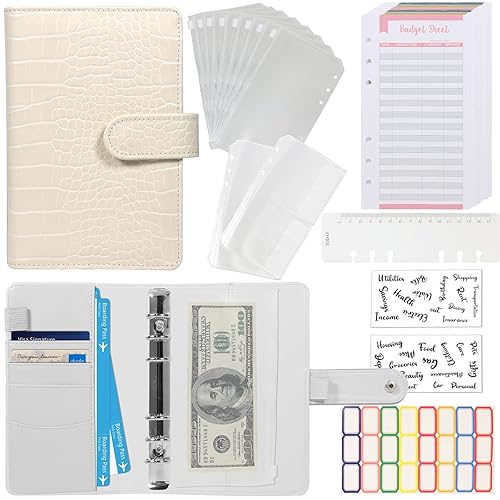

This is a beginner-friendly debt snowball starter guide. No fluff. No shame. Just the steps.
First, if you have no idea where your money is going each month, start here before you start throwing extra payments at debt: where does my money go? find budget leaks. Debt payoff gets easier when you stop leaking money in random places.
What the debt snowball is
You list your debts from smallest balance to largest balance, regardless of interest rate.
Then you:
- Pay minimums on everything.
- Throw every extra dollar at the smallest debt.
- When the smallest debt is paid off, roll that payment into the next debt.
It’s called a snowball because the payment grows as you knock debts out, and momentum builds.
Why the snowball works for real people
Mathematically, the avalanche method (highest interest first) can save more interest.
But most people don’t fail debt payoff because they chose the “wrong” method. They fail because they get discouraged and stop.
The snowball wins because it gives you quick wins. Quick wins keep you going.
And if you’ve ever tried to budget and it never sticks, this post might sound like your life: the brutally honest budget that finally worked after I failed 12 times.
Step 1: List your debts (the truth list)
Grab a paper or notes app and write:
- Debt name
- Balance
- Minimum payment
- Due date
Include everything: credit cards, personal loans, car note, medical bills, store cards.
Don’t judge the list. Just write it.
Step 2: Put them in order (smallest to largest balance)
Yes, even if the interest rate is higher on a bigger debt.
The purpose of snowball is momentum. You need a win.
Step 3: Pick your “extra payment” number
This is where people get stuck. They think they need a big extra payment to start.
You don’t.
If all you can do is $10 extra, that’s fine. You’re starting the habit of directing money with intention.
Where do you find extra money?
- Cancel unused subscriptions (seriously)
- Reduce one grocery leak
- Stop one impulse spending habit
- Use a no-spend weekend once a month
If you haven’t done the subscription audit yet, do it. It’s one of the fastest “find money” moves: I found $127/month in subscriptions I forgot I had.
And if Amazon is where the “extra money” disappears, this is your fix: Amazon spending out of control? how to stop.
Step 4: Set up your monthly plan (simple version)
You don’t need a full spreadsheet. You need three numbers:
- Total minimum payments
- Your extra payment amount
- Your “no panic” buffer goal (even $25)
If you are living paycheck to paycheck with kids and bills are tight, this post is worth reading because it’s realistic: living paycheck to paycheck with a family (12 changes that helped).
Step 5: Automate what you can, protect what you can’t
Automate minimum payments if your income timing is stable.
If your income timing is not stable, do manual payments on payday so autopay doesn’t cause overdrafts.
The goal is consistency, not drama.
Step 6: Use “momentum tracking” to stay motivated
Debt payoff is emotional. You need to see progress.
Track one of these:
- Total debt balance each month
- Number of accounts paid off
- Smallest debt countdown (how many payments left)
Progress keeps you moving when motivation fades.
Common mistakes (so you don’t get stuck)
Mistake 1: Trying to do everything at once
Debt payoff works better when you focus on one win at a time.
Mistake 2: Cutting your life so hard you burn out
If you make the plan miserable, you won’t stick to it.
This is why “no-buy month” style plans work when done realistically: no-buy month saved $340 without feeling deprived.
Mistake 3: Not plugging leaks
If you’re paying extra toward debt but still leaking money, it feels like running uphill.
Use the leak guide: find budget leaks.
Do this today (20 minutes)
- Write your debt list.
- Order it smallest to largest.
- Choose your extra payment amount (even $10).
- Set the first payment date.
- Pick one leak to plug this week (subscription or Amazon).
Bottom line
The debt snowball is not about being perfect. It’s about building momentum. You need early wins so you keep going long enough for the big wins to happen.
Start simple. Stay consistent. Let the snowball grow.











Have you tried the debt snowball method? It really works! Check out the guide for tips. #DebtFreeJourney #FinanceTips #CozyCornerDaily