







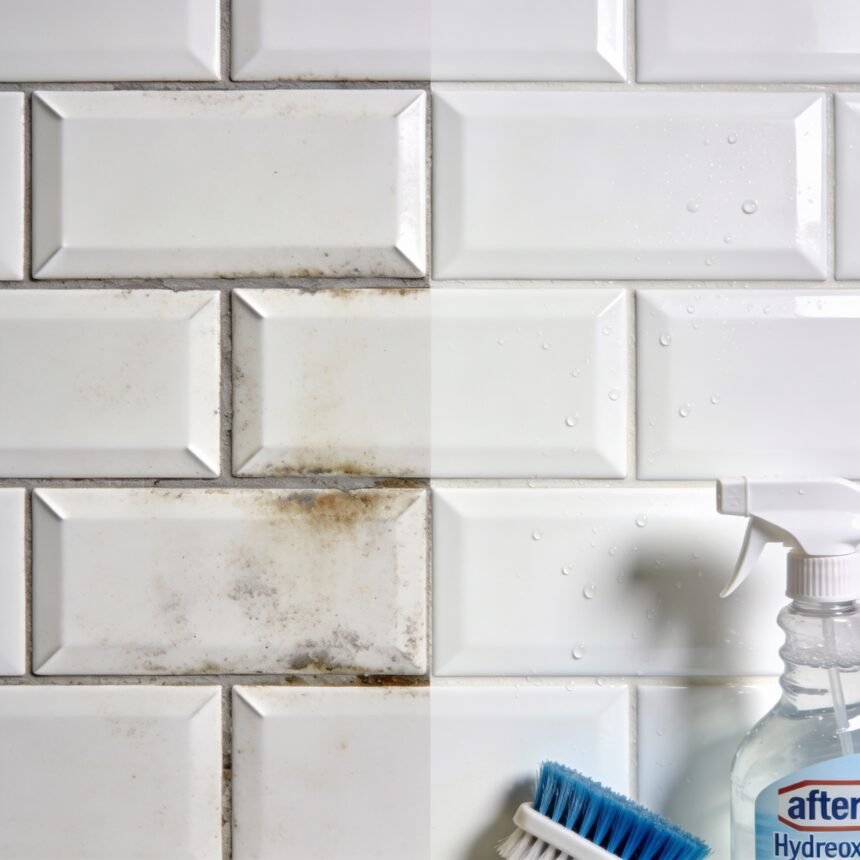
I was about three seconds away from calling a contractor to retile my entire bathroom.
- The Method That Actually Works
- The Brush Makes All the Difference
- The Shower Transformation Was Shocking
- The Floor Grout Was Somehow Worse
- The Caulk Situation I Didn’t Expect
- What Didn’t Work (So You Don’t Waste Money)
- The Maintenance Plan That Keeps It Clean
- The Ventilation I Wish I’d Considered Earlier
- The Confidence Boost From DIY Fixes
- When to Actually Call a Professional
- The Total Cost Breakdown
- The Cleaning Products I Actually Need
- What I’d Tell My Past Self
- The Bathroom Feels New Again
- The Ripple Effect on Other Cleaning
- The Lesson About Trying Before Paying
The grout between my shower tiles had gone from white to this disgusting grayish-brown color. I’d scrubbed it with regular bathroom cleaner. Tried those grout pens that promised to make it look new. Even considered those harsh chemical cleaners that probably would’ve stripped the finish off everything.
Nothing worked. The grout stayed gross. And every time I looked at it, I felt like I was bathing in a neglected motel bathroom from 1987.
My husband got quotes for regrouting. $500 minimum, possibly more depending on what they found once they started. For our small bathroom. Just to make the grout white again.
I was genuinely about to spend that money because I thought there was no other option. The grout was stained, and stains are permanent, right?
Then my neighbor, who used to clean houses professionally, came over and laughed at me. Not in a mean way, but in a “girl, you’re about to waste so much money” way.
She told me her method. I was skeptical. It seemed too simple. But I figured I’d try it before dropping $500 on a contractor.
Two hours later, my grout was WHITE. Like, actually white. Like it looked when we first moved in.
I’m not even exaggerating. I took before and after photos because I couldn’t believe it myself.
The Method That Actually Works
Here’s the thing about grout: it’s porous. That’s why it stains so easily. Soap scum, mildew, hard water, all that gets absorbed into the grout and regular cleaning doesn’t touch it.
You need something that actually penetrates and lifts the stains from inside the grout, not just scrubs the surface.
The magic combination? Hydrogen peroxide and baking soda. That’s it. Two ingredients you probably already have in your house.
I got this hydrogen peroxide spray bottle because it’s already in spray form and ready to use. You could buy the regular bottle and transfer it to a spray bottle, but this was easier and I was feeling lazy.
I also picked up this baking soda container with a shaker lid because dumping baking soda precisely is harder than it sounds, and this made it way easier to control where it went.
Here’s the process: Spray the grout lines with hydrogen peroxide. Like, really saturate them. Sprinkle baking soda over the wet peroxide. It’ll fizz. That’s the chemical reaction doing its thing. Let it sit for 10-15 minutes. Scrub with a grout brush. Rinse with water. Watch the grime disappear.
I’m not gonna lie, the scrubbing part takes effort. This isn’t a magic spray-and-wipe situation. You have to actually work for it. But the RESULTS? Completely worth the arm workout.
The Brush Makes All the Difference
I tried this method initially with an old toothbrush because that’s what the internet suggested. It worked, but it took forever and my hand cramped up after like 10 minutes.
Then I got this grout cleaning brush set and oh my god, why didn’t I start with this?
It’s got different sizes for different grout widths. The bristles are stiff enough to actually scrub but not so hard they damage the grout. And the handles are designed so you can put real pressure behind the scrubbing without destroying your wrist.
The angled brush is perfect for floor grout where you’re scrubbing at an awkward angle. The straight brush works great for vertical shower tiles. The small detail brush gets into corners and edges.
I did my entire shower in about an hour with these brushes. With a toothbrush it would’ve taken probably four hours and I would’ve given up halfway through.
Sometimes the right tool really does make the job possible instead of just theoretically doable.
This connects to what I learned when I finally learned to do home repairs myself. Having the actual right tools instead of trying to improvise makes everything so much easier.
The Shower Transformation Was Shocking
I started with the shower because that’s where the grout was worst. Years of soap scum and hard water stains had turned the white grout almost brown in some spots.
I genuinely thought it was mildew. Turns out it was just deeply embedded grime that regular cleaners couldn’t touch.
I sprayed the entire shower with peroxide, dumped baking soda along all the grout lines, and let it sit while I scrolled my phone for 15 minutes. When I came back, the fizzing had stopped and there was this paste sitting on the grout.
I started scrubbing with the grout brush, and I could see the difference immediately. The grout underneath was WHITE. Actually white. I’d forgotten what color it was supposed to be.
The grime came off in this gross gray residue that rinsed away with water. Each section I scrubbed revealed bright white grout underneath.
By the time I finished the whole shower, it looked like a completely different bathroom. My husband walked in and asked if I’d regrouted. Nope, just cleaned.
$500 saved. Two hours of work. Arms a little sore but totally worth it.
The Floor Grout Was Somehow Worse
I thought the shower grout was bad until I tackled the floor.
Floor grout gets walked on constantly. Ground-in dirt. Dropped makeup. Random bathroom debris. It all gets embedded in those grout lines.
I used the same method. Peroxide, baking soda, wait, scrub, rinse. But the floor required more repetition. Some sections needed two or even three rounds of the process before they came fully clean.
The angled brush was crucial here. Scrubbing floor grout on your hands and knees at that angle is rough, and having a brush designed for it made it bearable.
I did the floor in sections. Half one day, half the next. My knees couldn’t handle doing the whole thing at once, and honestly my motivation couldn’t either.
But the results were just as dramatic as the shower. Grout that had looked permanently dirty came clean. The whole floor looked brighter and newer.
This ties into the principle I wrote about in the daily cleaning schedule that actually works. Sometimes deep cleaning needs to happen in manageable chunks, not all at once.
The Caulk Situation I Didn’t Expect
While I was scrubbing grout, I noticed the caulk around the tub edge was gross. Not just dirty – actually moldy and cracked in places.
Caulk you can’t really clean once it’s compromised. You have to replace it.
I almost called someone to do this too, because caulking seemed complicated. But after the grout cleaning success, I figured I’d try it myself first.
Removing the old caulk was satisfying in a gross way. I used a utility knife to cut along the edges and peeled it off. Some parts came up easy. Some required more digging. All of it was disgusting.
Once the old caulk was out, I cleaned the area with more peroxide to kill any lingering mold. Let it dry completely. Then I applied this mold-resistant caulk that came with an applicator tool.
The applicator was key. Without it, I would’ve made a complete mess trying to get a smooth bead of caulk. With it, I got a relatively professional-looking line on my first try.
It’s not perfect. If you look close, you can tell it was DIY. But it’s clean, mold-free, and sealed properly. And it cost me $12 instead of paying someone $100+ to do it.
If you’re learning to DIY home fixes, I wrote about installing a handheld shower head yourself. Same principle – some things that seem complicated are actually pretty doable.
What Didn’t Work (So You Don’t Waste Money)
Before I found this method, I tried basically everything the internet suggested.
Those grout pens that paint over the stains? They worked for maybe two weeks before the paint started wearing off and looking patchy. Plus they smelled terrible and the fumes gave me a headache.
Commercial grout cleaners? Some made a slight difference but nothing dramatic. And they were expensive. Like $8-12 a bottle and I needed multiple bottles to do the whole bathroom.
Magic erasers? They worked on surface dirt but didn’t touch the deep stains. Plus they fell apart after like five minutes of scrubbing and I went through half a box.
Steam cleaners? I borrowed one from a friend. It helped a little but not enough to justify buying one.
The hydrogen peroxide and baking soda method worked better than anything I’d bought, and cost maybe $10 total. Sometimes the simplest solution really is the best one.
The Maintenance Plan That Keeps It Clean
Getting the grout white was step one. Keeping it white is step two.
I now spray the shower grout with peroxide once a week after I clean the bathroom. Just a quick spray, no baking soda needed. It prevents buildup from getting embedded in the first place.
The floor grout I spot-clean monthly. Any areas that are starting to look dingy get the peroxide-baking soda treatment before they get really bad.
This maintenance takes maybe 5 extra minutes during my weekly bathroom clean. Way easier than doing the intensive deep clean every few months.
I wrote about this approach in how I clean my bathroom in 4 minutes step-by-step. Regular light maintenance prevents needing marathon deep cleaning sessions.
The Ventilation I Wish I’d Considered Earlier
Here’s something nobody tells you: grout gets gross faster in bathrooms with poor ventilation.
All that moisture from showers has nowhere to go, so it sits in the grout and creates perfect conditions for mildew and staining.
We didn’t have an exhaust fan in our bathroom. After I deep-cleaned the grout, I realized we needed one or I’d just be doing this all over again in six months.
We had a fan installed (that one I did hire out because electrical work scares me). Cost about $200. But it’s made a huge difference in how fast the bathroom gets gross.
The grout stays cleaner longer. The mirrors don’t fog up as bad. The whole bathroom feels less damp and moldy.
If you’re dealing with recurring bathroom grime, ventilation might be part of the problem. Fix the source, not just the symptom.
The Confidence Boost From DIY Fixes
Successfully cleaning the grout gave me confidence to tackle other home fixes I’d been avoiding.
That leaky faucet I thought needed a plumber? Turns out it just needed a new washer. $3 fix, 10 minutes of work.
The running toilet that was wasting water? New flapper. $8 and a YouTube tutorial.
The drawer that wouldn’t close right? Loose screws. Tightened them with a screwdriver.
I’d been living with these small annoyances thinking they required professional help. Most of them just required me to try fixing them myself.
The grout cleaning was my gateway into actually maintaining my house instead of just living with problems until they became expensive emergencies.
I wrote about this exact shift in mindset in 5 home repairs I finally learned to do myself and saved $500. Small wins build confidence for bigger projects.
When to Actually Call a Professional
That said, there are limits to DIY.
If your grout is actually crumbling or cracked, cleaning won’t fix it. You need regrouting or possibly tile repair.
If you see water damage around the grout or tiles, that’s a bigger problem than surface stains. Call someone who knows what they’re doing.
If you’ve cleaned the grout and mold keeps coming back immediately, you might have a moisture or ventilation problem that needs professional assessment.
The grout cleaning hack works for stains and buildup. It doesn’t fix structural problems or serious water damage.
Know the difference between cosmetic issues you can DIY and actual problems that need expert help.
The Total Cost Breakdown
Here’s what I spent versus what I almost spent:
Grout cleaning brush set: $15
Hydrogen peroxide spray: $8
Baking soda container: $7
Mold-resistant caulk with applicator: $12
Total DIY cost: $42
Quote for professional regrouting: $500+
Money saved: $458
Not to mention the satisfaction of doing it myself and knowing I can maintain it going forward without paying someone every time.
If you’re trying to save money on home maintenance, check out the brutally honest budget that finally worked. Learning to DIY basic fixes was part of getting my spending under control.
The Cleaning Products I Actually Need
Cleaning the grout also made me realize how many cleaning products I’d accumulated that I didn’t actually need.
I had probably 15 different bathroom cleaners under my sink. Specialty products for soap scum, mildew, hard water, tile, glass. All of them expensive. Most of them barely worked.
Hydrogen peroxide, baking soda, and regular dish soap handle 90% of my cleaning needs now. Simpler, cheaper, less toxic.
I wrote about this in the 7 cleaning products you actually need and 20 you don’t. The cleaning products industry wants you to think you need specialized products for everything. You don’t.
What I’d Tell My Past Self
Stop avoiding it. It’s not as hard as you think, and every week you wait, it gets worse and harder to clean.
Buy the proper brush from the start. Don’t waste time with toothbrushes and improvised tools.
Test a small area first to make sure the method works for your specific grout situation. Not all grout is the same.
Set aside actual TIME to do this. Don’t try to squeeze it in between other tasks. You need a few hours of focused effort.
And take before photos so you can appreciate the difference. I almost wish I hadn’t cleaned it so well because now I have unrealistic expectations for how white grout should look.
The Bathroom Feels New Again
The clean grout genuinely transformed the whole bathroom. It’s the same tile, same fixtures, same everything. But with white grout instead of dingy gray-brown, it looks completely renovated.
Guests have commented on it. “Did you redo your bathroom?” Nope, just cleaned it properly for the first time ever.
The psychological impact is real too. I don’t feel gross showering in there anymore. The bathroom feels clean and maintained instead of slowly deteriorating.
It’s wild how much one element – the grout lines between tiles – impacts the entire feel of a space.
The Ripple Effect on Other Cleaning
Once I saw what was possible with the bathroom grout, I started looking at other areas I’d written off as “permanently dirty.”
Kitchen tile backsplash? Same method worked perfectly.
Grout around the kitchen sink? Came clean with peroxide and baking soda.
Outdoor patio grout? Took more elbow grease but eventually came clean.
I’d been living with so much grime thinking it was just how things looked after a few years of use. Turns out most of it was just buildup that could be cleaned with the right method.
This connects to what I wrote in I stopped deep cleaning and started doing this instead. Regular maintenance with effective methods beats ignoring problems until they feel permanent.
The Lesson About Trying Before Paying
The biggest takeaway from this whole experience: try to fix it yourself before assuming you need to hire someone.
I was ready to spend $500 without even attempting to clean the grout myself. I just assumed it was beyond what I could do.
Now I approach home problems differently. Can I try something first? Can I watch a YouTube tutorial? Can I at least attempt it before calling a professional?
Sometimes the answer is no – I’m never doing my own electrical work or anything structural. But surprisingly often, the answer is yes.
The grout cleaning saved me $500. But more than that, it taught me to at least TRY before outsourcing. That lesson has saved me money over and over in other areas.
As an Amazon Associate, I earn from qualifying purchases. This means if you click a product link and make a purchase, I may receive a small commission at no extra cost to you. I only recommend products I actually use or would use myself.










Have you tried any grout cleaning hacks? This one’s a game changer—check it out! #HomeImprovement #DIY #CozyCornerDaily