




The attic is one of the easiest parts of the house to ignore because most people do not spend time there unless something already feels wrong. It is hot when you do not want to be hot, dusty when you do not want to breathe dust, and out of sight enough that it quietly escapes household attention for long stretches. But the attic is also one of the biggest places a house can lose comfort and efficiency without making a big dramatic scene about it. Heat escapes. Air leaks in. Insulation settles. Tiny gaps around pipes, wiring, and vents keep pulling treated air toward a space you are not even using.
That is why a weekend attic insulation check is one of the more practical things you can do for a greener, smarter home. Not because it is glamorous. Because it changes the background math of comfort. A house with an attic that leaks heat and air all the time makes the HVAC system work harder, the thermostat settings feel less effective, and some rooms stay annoyingly off no matter what you do downstairs.
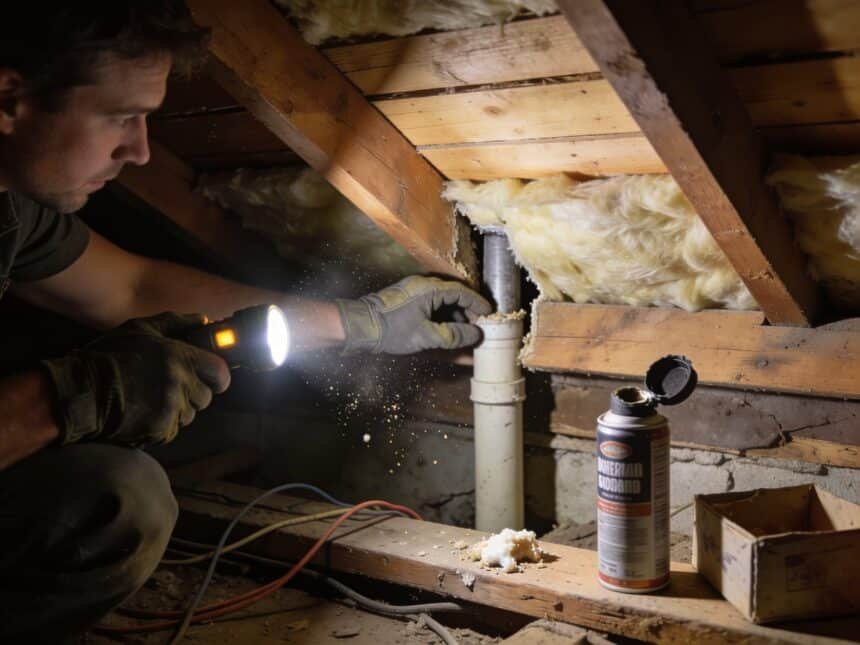
The first step is not adding anything. It is looking carefully. Flashlight, mask if needed, decent shoes, and a plan to move slowly. You are checking for obvious gaps around penetrations, thin spots in insulation, places where airflow might be sneaking through, and any signs that moisture has been showing up where it should not. That kind of quiet inspection matters because the attic often tells you things the rest of the house only hints at.
Air leaks are usually the first big win. Small gaps around plumbing stacks, wiring penetrations, vents, and framing transitions can add up to a surprising amount of heat loss. Sealing those with the right foam or sealant stops treated indoor air from drifting into the attic and lets the insulation do its job better. It is very much the same principle as fixing drafty windows with sustainable insulation solutions and the energy bill reset with easy cuts that actually work. Comfort loss in a house is usually happening through more than one small opening.
Insulation itself needs a real look too. Is it evenly covering the right areas. Are there thin spots where the attic floor is too visible. Has it shifted away from certain zones. Is it compacted or dirty from old air movement. These things matter because insulation only works well when it is continuous enough to slow the heat transfer it is there to control. Patchy insulation is like wearing one warm glove and being confused why your hand is still cold.
I also think an attic check makes you notice how connected home systems really are. A bad attic means the HVAC runs harder. A harder-working HVAC means higher bills and a home that still somehow feels uneven. That is why this topic fits naturally with eco-friendly HVAC maintenance habits that lower bills and the thermostat mistakes that keep costing money. You can tune the system downstairs all you want, but if the attic keeps leaking your comfort upward, the house is still working against you.
The moisture piece matters too. If you see dark staining, dampness, or signs of condensation, that is worth slowing down for. Warm air escaping into a colder attic can create trouble over time, and so can poor ventilation. That is why attic work overlaps more than people think with how to stop window condensation before mold starts and the complete guide to getting rid of mold in the house. Heat loss and moisture problems often make each other worse.
Smart thermostats come into the conversation here because once the attic stops bleeding heat as badly, your heating and cooling settings start making more sense. A good thermostat can only work with the house it has. If the shell of the home is leaky, smart tech still has to fight that. But once the thermal barriers improve, thermostat schedules become much more effective. It is not about gadgets saving the day. It is about the house finally supporting the gadget.
I like this kind of weekend project because it gives you a more honest relationship with the home. You stop only responding to what the house shouts about and start paying attention to what it has been whispering. The room that is always too cold. The bill that seems a little higher than it should be. The uneven comfort between floors. The feeling that the house never quite settles. Those clues often point upward.
It also helps to treat the attic check as part of seasonal home maintenance rather than a heroic one-time project. Just like spring cleaning mistakes that make you reclean teach you that upkeep works better than collapse-and-rebuild cleaning, attic efficiency improves when you catch problems sooner instead of waiting until the whole space becomes a major thermal liability.
Another underrated benefit is peace of mind. Once you know the attic has been checked, gaps sealed, and insulation assessed, the whole home feels a little more trustworthy. That matters. It is hard to feel calm in a house that always seems to be losing against the weather.
And no, you do not have to turn the attic into a perfect fortress in one weekend to make the effort worthwhile. Even one pass that finds a few air leaks, improves insulation coverage, and helps you understand where the home is losing energy can make the next season easier and cheaper.
A smarter greener home is rarely built from one flashy upgrade. It comes from practical thermal maintenance, done at the boring points where the house actually needs help. The attic is one of those points. It may not be pretty, but it is powerful. When you pay attention to it, the whole house benefits downstairs where real life happens.