





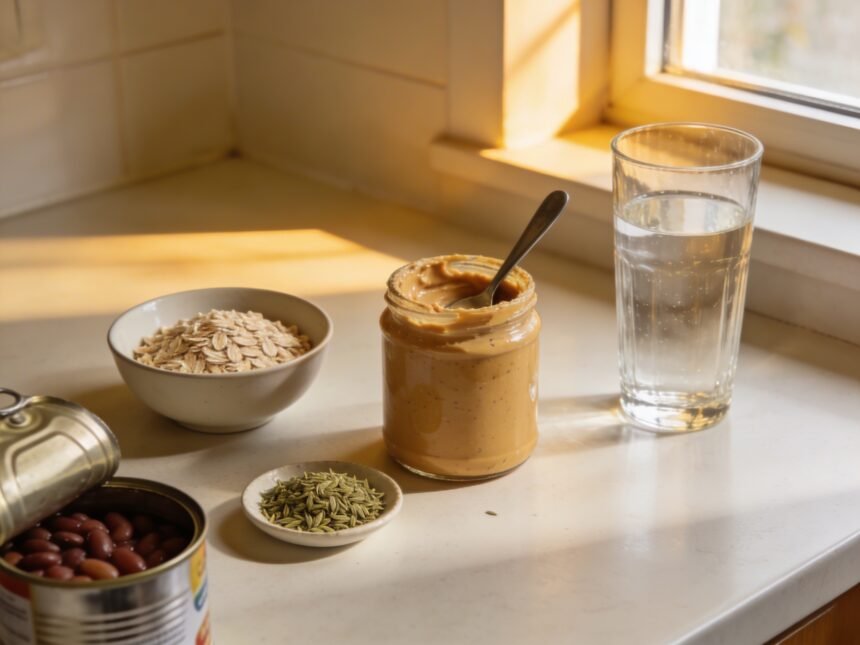
Mornings are hard enough without adding the decision of what to eat into the first ten minutes of being awake. For a lot of people, especially those with ADHD or inconsistent sleep, the morning executive function window is genuinely narrow. There is a small, specific amount of mental capacity available before the day’s demands start stacking up, and spending a chunk of it on breakfast decisions, figuring out what’s in the fridge, whether you have eggs, whether there’s time to cook them, is a genuinely bad use of that capacity.
The fresh ingredient breakfast is the one that most nutrition content promotes. Eggs and vegetables, smoothies with fresh fruit, avocado on toasted bread. These are excellent breakfasts when the ingredients are available, when someone has the time and energy to prepare them, and when the kitchen is in a state that makes cooking viable. On the mornings when none of those conditions are reliably met, you need a different system entirely. One that doesn’t depend on fresh groceries, doesn’t require a stove, doesn’t require a cutting board, and doesn’t start a new pile of dishes.
The pantry-only high protein breakfast is that system. And the range of options available is wider and more satisfying than most people realize before they’ve tried them.
Hemp seeds are the most useful single ingredient in this category and one of the most overlooked. Three tablespoons of hemp seeds contain about 10 grams of complete protein, including all nine essential amino acids, which is genuinely unusual for a plant source. They taste mild and slightly nutty, have a soft texture that blends into almost anything, and require nothing beyond opening a bag and adding them. Into overnight oats, into any cereal, stirred into yogurt if you have it, eaten by the spoonful with a handful of crackers if you genuinely have no time. A bag lasts weeks because the serving size is small. A bag costs between $8 and $14 depending on the brand. Per-serving protein cost is competitive with eggs and requires zero preparation. This belongs in most pantries permanently.
Canned beans are a breakfast ingredient that gets dismissed because culturally, beans feel like lunch or dinner food. That’s a habit, not a nutritional reality. A half cup of canned white beans, drained, contains about 9 grams of protein, significant fiber, and a mild enough flavor to work with almost anything nearby. White beans with a drizzle of olive oil, salt, and a squeeze of lemon from a plastic bottle is a complete, filling breakfast that takes 90 seconds and creates zero dishes if eaten from the can or a small bowl. Canned chickpeas work the same way. Black beans with hot sauce and a handful of crackers is a legitimate breakfast that costs under $1 per serving and fuels three to four hours of cognitive work. The approach to building a stocked pantry on a budget consistently includes canned beans as a foundational staple for exactly this reason, both their cost and their nutritional versatility.
Protein-fortified instant oats are worth having in the pantry specifically for mornings. Standard instant oats run about 4 to 5 grams of protein per serving. Protein-added varieties, which are widely available at most grocery stores now, run 10 to 20 grams per serving with the same preparation method: hot water or two minutes in the microwave. Adding two tablespoons of nut butter from a jar brings that number up further and adds fat that extends the satiety considerably. The whole breakfast takes four minutes, uses one bowl, and requires no decisions beyond which flavor of oats is at the front of the pantry. If making even that preparation feel difficult on some mornings, overnight oats assembled the night before eliminate even that small morning step. The meal prep breakfast ideas that held up for a month include overnight oat variations that are built entirely from shelf-stable or long-lasting ingredients.
Nut and seed butters in single-serve packets are a useful pantry item that gets underused by adults because they’re often marketed toward children and convenience settings. They are also exactly the right format for a zero-decision morning. One packet of almond butter or peanut butter eaten with crackers or apple slices from the counter is 7 to 8 grams of protein in about two minutes. The packet format means no knife, no jar to reseal, no measuring. Open, eat, done. Keeping a box of them in the pantry specifically for the mornings when the full jar feels like too many steps is a legitimate kitchen strategy, not an overreaction.
Canned coconut milk or shelf-stable dairy milk are useful for making pantry breakfasts feel more substantial. Stirred into oats, poured over fortified cereal, or added to instant coffee, they increase caloric density and satiety without requiring refrigeration until opened. For households where the fridge is unreliable or where restocking happens infrequently, shelf-stable milk is more consistently available than dairy milk and works identically in most applications.
Nuts as a breakfast item get dismissed as “just a snack” but a full serving, about a quarter cup of almonds or walnuts, contains 6 to 7 grams of protein and enough fat to slow the glucose absorption from any carbohydrates you eat alongside them. Paired with a protein-fortified oat packet and a tablespoon of hemp seeds stirred in, you’re looking at 20 or more grams of protein for a breakfast that required opening three bags and one pouch. That’s a legitimate high-protein morning meal. The idea that breakfast requires cooking or fresh ingredients to be real nutrition is marketing, not biology.
Tinned fish again earns its place in the morning conversation, as uncomfortable as that sounds to people who weren’t raised with it. Sardines on crackers with a sprinkle of hot sauce at 7 a.m. is genuinely filling, high in protein and omega-3s, and takes under two minutes. It’s not a universally popular suggestion. But for the person reading this who is open to it, or who already eats sardines and just hadn’t considered them a breakfast option, it belongs on this list. The Norwegian and Icelandic populations, who eat fish for breakfast regularly, don’t appear to be suffering for it. This is one of those high protein breakfast ideas for busy weekdays that sounds unusual until you realize it’s simply a different cultural habit applied to a universal nutritional need.
The morning routine connection matters here as much as the food itself. A pantry breakfast system works best when it’s decided in advance rather than improvised each morning. Picking two or three options that you’ll rotate through, making sure those specific ingredients are always stocked, and assembling without deliberating each time reduces the morning decision load to near zero. You’re not choosing breakfast every morning. You’re choosing which of your three established options fits today. That’s a completely different cognitive demand. The morning reset for overwhelmed days notes that the first ten minutes of the day set the tone for the next several hours, and a breakfast that happens without friction, without a kitchen mess, and without a decision spiral is one of the cleanest ways to protect that window.
Keeping the zero-prep breakfast options visible in the pantry rather than behind other items is the maintenance piece that keeps the system working. A designated shelf or a small basket labeled “breakfast” with your rotating staples in it removes the morning scan entirely. You go to the basket. Everything in it is a valid option. You pick one. You’re done in three minutes and your brain is already working on the actual day. That’s the whole point.