








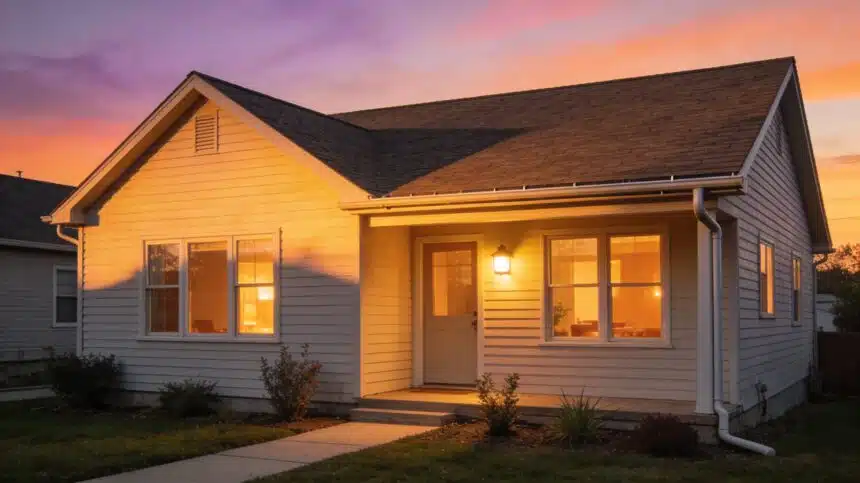
If your homeowners insurance bill keeps creeping up every year, you’re not imagining it. Premiums are climbing almost everywhere right now. The frustrating part is most families have no idea they can push back a little by fixing things around the house first, then calling their agent with receipts in hand.
Insurers don’t just look at your address and square footage. They look at risk. Anything that makes your home less likely to flood, burn, or get broken into can sometimes unlock discounts or at least stop your rate from climbing as fast. A lot of that comes down to simple repairs you can tackle yourself.




Here are seven fixes I’d put at the top of the list before you ask your agent about lowering your premium.
- Stop small leaks before they become claims
Water damage is one of the big reasons insurance claims get filed. That’s why anything that reduces “surprise water” gets their attention. That slow drip under the sink, the sweating pipe in the basement, the tiny leak around your water heater, they seem small but they’re all risk.
Start with obvious drips. If your faucets are already misbehaving, use your guide on how to fix dripping faucet tap yourself. Under‑sink leaks, loose connections, and sweating pipes can often be handled with basic tools and plumber’s tape.
If you want to go a step further, smart water leak detectors are worth looking at. Some insurers now offer discounts for automatic shutoff valves and leak sensors because they reduce the chance of big water losses. They’re not magic, but they buy you time to catch a leak before it wrecks a whole room.
- Fix humidity and condensation issues
Insurers care a lot about mold and long‑term moisture damage. If your bathroom stays steamy forever or your windows collect puddles of condensation, that’s not just annoying. It’s a hint that mold could be brewing.
Start by making sure your bathroom fan actually works and is sized correctly. Your bathroom fan not removing moisture fix walks through how to test it and what to change. Pair that with the habits in stop window condensation before mold, especially in bedrooms.
Keeping humidity under control doesn’t automatically lower your premium, but it lowers your odds of ever filing a mold or water‑damage claim. And insurers really like customers who don’t file claims.
- Seal drafts and protect pipes from freezing
If you live anywhere that dips toward freezing, your insurer is quietly side‑eyeing your pipes. Frozen pipes that burst can cause massive damage in a few hours.
The first line of defense is drafts. Use your 15 minute home draft test to find cold spots around windows, doors, and hidden areas like under sinks. Sealing gaps helps your heating system work better and keeps pipes in those areas a little safer.
Outside, insulate any exposed pipes and cover outdoor spigots before winter. Inside, keep cabinet doors open on super cold nights so warm air reaches pipes along exterior walls. It’s boring stuff, but insurance companies literally name pipe bursts as one of their most expensive claim categories. Shrinking that risk is a quiet win.
- Keep your roof and gutters in good shape
Roof trouble is another huge driver of claims. Many insurers offer better rates or specific discounts for newer roofs, impact‑resistant shingles, or documented repairs. Even if you can’t afford a full roof replacement, basic maintenance matters.
At least twice a year, clean gutters, look for missing shingles, and check for soft spots or visible damage. If you’re not comfortable getting on a ladder, you can still walk the perimeter, zoom in with your phone camera, and look from the ground for obvious issues.
If you do schedule a roof repair or replacement, keep photos, invoices, and permits. When you talk to your insurer, mention it explicitly. A lot of people pay for a new roof and never tell their insurance company, which means they miss out on possible savings.
- Update simple safety devices
Insurers love anything that catches problems early. That’s why safety upgrades can sometimes earn discounts or at least make you look lower risk when they run your info.
Look around your home for:
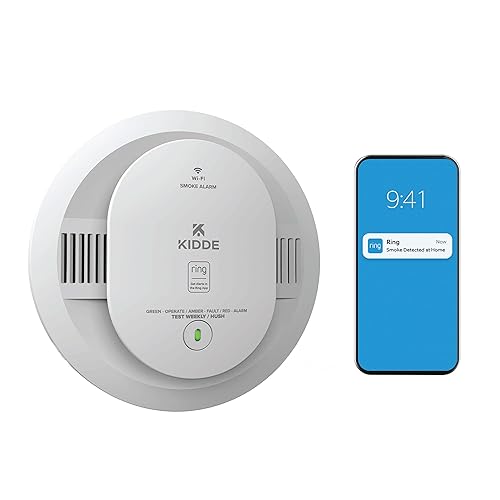
Smoke detectors: Are they present in every bedroom area and hallway, and less than 10 years old?
Carbon monoxide detectors: Especially important if you have gas appliances.
Fire extinguisher: At least one, ideally near the kitchen.
Deadbolt locks on exterior doors and solid door frames.
Security cameras or a video doorbell in high‑risk areas.
Some companies specifically list “protective device discounts” for monitored alarm systems, smoke detectors, and leak sensors. When you add or replace any of these, note the brand and date. Bring that list to your next policy review.
- Take care of your heating and cooling system
HVAC isn’t just about comfort. It’s tied to both safety and long‑term home health. Systems clogged with dust or running with bad filters can overheat, fail sooner, or create uneven temperatures that push moisture where it shouldn’t be.
At minimum, stay on top of filter changes like you describe in HVAC filter change dropped heating bill $30. That one habit makes your system happier and your electric bill a bit lower.
If you’ve upgraded your system to something newer, more efficient, or safer, tell your insurer. Some carriers factor that in, especially if you replaced very old wiring or fuel types that had higher fire risk.
- Document your repairs like a tiny project manager
This is the unglamorous part that can actually move the needle. Every time you tackle a meaningful repair or upgrade, jot it down.
Keep a simple folder (digital or physical) where you collect:
Photos of before and after
Receipts for materials or contractor work
Permits or inspection reports if you had major work done
Then, once a year, schedule a quick call with your insurance agent. You can say something like, “We sealed drafts, updated our bathroom fan, changed our HVAC filter schedule, and added leak detectors and new smoke alarms this year. Are there any discounts or policy adjustments we should look at?”
You’re not guaranteed a huge drop, but you’re giving them clear reasons to see your home as lower risk.
FAQs
How much can these fixes actually lower my homeowners insurance?
It depends on your company and state, but some safety upgrades and risk‑reducing improvements can stack into meaningful savings. Things like protective devices, new roofs, updated plumbing or electrical, and leak detection can each contribute small discounts. Even when they don’t change the rate, they can help keep your premium from rising as quickly.
Do I have to tell my insurance company about every tiny repair?
No. Nobody needs to know you replaced one faucet cartridge. Focus on changes that reduce risk in a bigger way, like new smoke detectors, leak sensors, roof work, HVAC updates, or major plumbing and electrical upgrades. Keep receipts and photos for those.
Can I really DIY any of these fixes if I’m not handy?
Yes, some of them. Beginner‑friendly tasks like fixing small leaks, sealing drafts, or improving bathroom ventilation are covered step by step in guides like home repairs zero experience no tools required and 5 home repairs I finally learned to do myself and saved $500. Anything involving major electrical, structural work, or a roof you don’t feel safe on should go to a pro.
What should I do before I call my agent to ask for discounts?
Make a short list of improvements and repairs you’ve done in the last few years: roof, plumbing, electrical, leak sensors, security upgrades, HVAC changes. Gather receipts or photos if you have them. Then call and ask open questions like, “Which discounts might apply based on these updates?” That’s less intimidating than demanding a lower rate out of nowhere.
Can fixing these things help me even if my premium doesn’t drop?
Yes. A lot of this work is about preventing massive, expensive damage. Even if your bill doesn’t budge, not dealing with a burst pipe, major mold issue, or roof leak is a huge financial win. Insurance doesn’t erase the stress and disruption of a big claim.
What if my insurer won’t give me any discount at all?
That’s your signal to start shopping around. Get quotes from a few other companies and tell them about your safety upgrades and repairs. Some carriers value those improvements more than others, and you might find a better rate without changing your coverage level.
I feel overwhelmed by all this. Where should I start?
Pick one water‑related issue and fix it first: a drip, condensation problem, or bathroom fan that doesn’t work. Then move to a safety upgrade like new smoke detectors. You don’t have to do all seven at once. Every small fix makes your home safer and your future self less stressed.
For the tools and materials needed for this project, Amazon has everything you need delivered to your door.














What simple fix have you made to lower your insurance? Check out these tips! #HomeInsurance #Savings #CozyCornerDaily