


Baby proofing is one of those things that sneaks up on you. One day your kid is a potato on a blanket. The next day they’re licking outlets and trying to swan dive off the couch.
Every store shelf is full of gadgets that swear you “need this.” Meanwhile, guides that actually break down costs say baby‑proofing a small home can run anywhere from a couple hundred dollars to over $700 if you go all‑in.


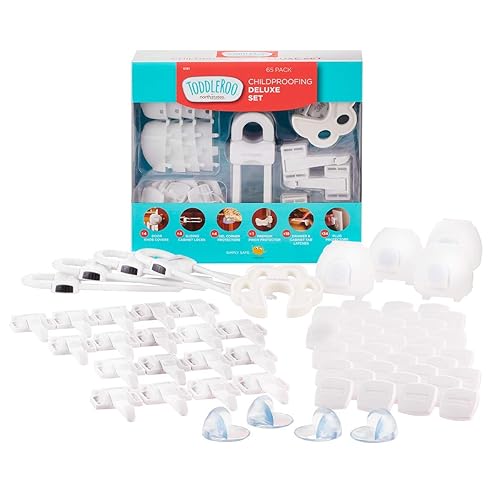


If that makes your stomach drop, same. The good news is you don’t need every single gadget. You need a smart order of operations and a mix of essentials plus DIY.
Step 1: Focus on the most dangerous stuff first
Baby‑proofing experts say the same thing: start with the highest‑risk zones, not making everything look Pinterest perfect.
Top dangers:
Stairs and drops
Outlets and cords
Heavy furniture that can tip
Cleaning supplies, meds, and sharp objects
Water (bathtubs, toilets, buckets)
Deal with those first, even if other areas still look messy.
Step 2: Do a crawl‑level home tour
When safety pros walk a home, they literally get down to baby’s eye level to see what they can reach and pull. You can do a lo‑fi version:
Get on your knees
Crawl through your main living areas
Notice everything you can grab, pull, or bump into
You’ll suddenly see:
Dangling cords
Low outlets
Sharp corners
Tippable shelves
Make a simple list by room. That’s your shopping and DIY plan, not the random “200 baby proof items” checklist.
Step 3: Budget baby‑proofing priorities (what to buy first)
Safety guides and cost breakdowns usually recommend starting with:
Outlet covers
Cabinet locks for under‑sink and chemical cabinets
A couple of sturdy baby gates for stairs or doorways
Furniture anchors for dressers and bookcases
Bath safety basics: non‑slip mat, spout cover, maybe a toilet lock if your kid loves water
One cost analysis put full baby‑proofing for a small home around $250–$780 depending on how much you buy. But you don’t have to do all of that at once. You can start with the highest‑risk items and spread purchases over a couple months.
Step 4: Use DIY and low‑cost hacks for lower‑risk spots
Budget‑focused baby‑proofing guides are very clear: you can DIY some things without sacrificing safety.
Examples:
Use pool noodles as door stoppers to prevent slammed fingers
Pull furniture slightly forward to block access behind TVs and stands
Wrap cords and tuck them behind heavier furniture
Use tension rods or cheap bins inside cabinets instead of fancy organizers
You still want real, tested products for gates, outlet covers, and anchors. But you can absolutely get creative for less dangerous spots.
Your own DIY comfort from home repairs zero experience no tools required really helps here. If you can hang a gate and drill an anchor, you can baby‑proof strategically.
Step 5: Room‑by‑room quick wins
Living room/family room:
Anchor TV and tall furniture to the wall
Cover outlets
Tidy up cords with covers or cord clips
Add soft corner protectors to coffee tables if they’re at forehead height
Kitchen:
Lock cabinets with cleaners, knives, or glass
Move chemicals up high if possible
Use a stove knob cover or back burners when cooking
Consider a simple gate if your kid is a floor‑crumb hunter
Bathroom:
Non‑slip bath mat
Spout cover to protect little heads
Keep toilet lid closed, add a lock if your kid is obsessed with water
Store meds, razors, and cleaners in high cabinets with locks
Nursery/bedroom:
Crib away from windows and cords
No heavy decor above the crib
Anchor dressers and bookshelves
Keep monitors and cords away from crib edges
Step 6: Expect to adjust as your baby grows
Baby‑proofing isn’t one‑and‑done. Safety experts point out that your needs change as your baby goes from rolling to crawling to climbing.
New crawlers: outlets, cords, and floor hazards
Pulling up/standing: furniture anchors and table corners
Climbers: gates, door knob covers, restricting access to certain rooms
Check your setup every couple of months. If your baby has suddenly figured out a new trick (hello, chair climbing), that’s your cue to adjust.
Step 7: Don’t forget your own sanity
Baby‑proofing is about keeping kids safe, but it’s also about your stress level. The goal is to reduce constant “no, don’t touch that” battles so you can actually breathe.
Pair physical safety with routines and skills:
Use screen time rules that actually work instead of handing over the tablet out of sheer survival every time
Lean on handle toddler tantrums without losing your mind when frustration hits
Refer to baby won’t stop crying 7 things to check when your nervous system is fried
You’re not trying to bubble‑wrap the whole world. You’re just trying to remove obvious dangers so your toddler can explore and you can unclench your jaw a little.
FAQs
How much should I expect to spend on baby‑proofing?
Estimates for fully baby‑proofing a typical small home range from about $250 to $780 depending on how many rooms, stairs, and extras you have. If that’s not possible right now, prioritize gates, outlet covers, cabinet locks, and furniture anchors, then add more over time.
What baby‑proofing items are truly essential?
Outlet covers, cabinet locks for cleaning supplies and meds, at least one sturdy baby gate, furniture anchors for tall pieces, bath safety (non‑slip mat, maybe spout cover and toilet lock), and cord management are at the top of most expert lists.
Can I baby‑proof without making my home look like a daycare?
Yes. Many newer products are more neutral and low‑profile. You can also focus on restricting access to certain rooms or areas instead of padding every corner. Your style doesn’t have to disappear just because you have cabinet locks.
Do I really need furniture anchors?
If you have dressers, bookcases, or TV stands, yes. Tip‑overs are a major injury risk for toddlers, and anchors are relatively cheap. Safety pros consistently put them in the “must” category, not a “nice to have.”
When should I start baby‑proofing?
Start earlier than you think. Many guides recommend starting around 4–6 months, before your baby is fully mobile, so you have time to spread purchases and make changes calmly.
Are secondhand baby‑proofing products okay?
Sometimes. Outlet covers and basic cabinet locks are usually fine if they’re in good shape. Be more cautious with used gates and anything with moving parts or wear. Make sure they meet current safety standards and still close securely.
What if I can’t afford everything at once?
Prioritize by risk. Start with outlets, chemicals, meds, furniture anchors, and one or two gates. Use DIY solutions like relocating hazards and blocking off rooms. Budget‑focused baby‑proofing guides stress that smart, targeted changes beat trying to buy every gadget.
For parenting books and resources on this topic, Amazon has a solid selection worth browsing.







What’s your best budget tip for baby-proofing? Check out this link for more ideas! #BabyProofing #HomeSafety #CozyCornerDaily