


I know we technically already talked about baby‑proofing, but I want this one to be the version you can send to a friend and say, “Do this, in this order, you’ll be fine.”
Because here’s the thing. Every site throws 50 safety products at you. Meanwhile, actual baby‑proofing guides keep saying you can do this smartly and in stages without going broke.
So let’s walk room‑by‑room with a strict rule: start with what’s most likely to land you in the ER, then worry about everything else.


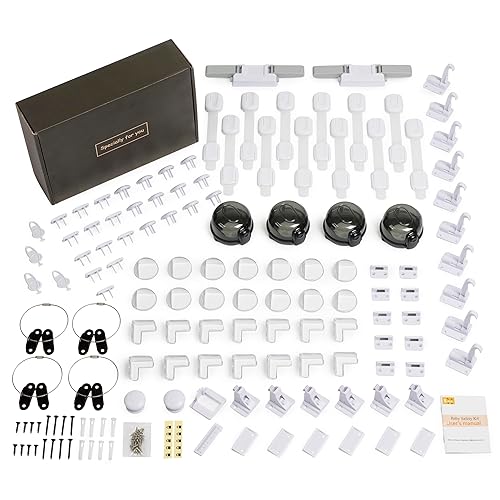
Living room
Biggest risks: tip‑overs, outlets, cords, sharp corners.
Do this first:
Anchor the TV and any tall furniture. Safety pros and ER doctors put this at the top of their lists because tip‑overs are a major injury cause.
Cover all unused outlets with simple plug covers.
Hide or secure cords using cord covers or by tucking them behind heavier pieces.
Add corner guards to coffee tables at baby forehead height.
Cheap/DIY helpers:
Pool noodle cut and slit over sharp edges.
Rearrange furniture so climbing hazards are less tempting.
Kitchen
Biggest risks: chemicals, knives, hot surfaces.
Essentials:
Cabinet locks on under‑sink cleaners, junk drawers with sharp things, and any low cabinet with breakables.
Move dishwasher pods and cleaning sprays up high, even if you have locks.
Use back burners when cooking and turn pot handles inward.
Add a simple stove knob cover if you have a curious toddler.
Budget tip: multi‑packs of locks and latches are cheaper per piece and most guides recommend them over buying singles.
Bathroom
Biggest risks: water, meds, cleaners.
Do this:
Non‑slip bath mat.
Spout cover to soften bumps.
Keep medicine and sharp items in a high, locked cabinet.
Keep toilet lids down; add a toilet lock if your kid loves water.
Baby‑proofing checklists constantly call bathrooms “sneaky hazard zones” that families forget about. Don’t skip this one.
Nursery / bedroom
Biggest risks: cords, strangulation hazards, tip‑overs.
Must‑dos:
Place crib away from windows, cords, and shelves.
Keep monitor cords far from little hands.
Anchor dressers and bookshelves.
Skip pillows, bumpers, and stuffed animals in the crib for now.
Again, you don’t need a thousand specialty products. Just smart placement and a few anchors go a long way.
Hallways and stairs
If you have stairs or a split level, this is where you don’t cheap out.
Use hardware‑mounted gates at the top of stairs (pressure gates can shift).
Use a gate at the bottom if needed to block access.
Make sure railings don’t have giant gaps; block them if they do.
Budget guides stress that you can save in other areas, but a good gate is worth paying for.
Low‑risk areas where DIY is fine
Baby‑proofing experts actually suggest DIY in low‑risk spots:
Use foam floor tiles and soft rugs in crawling zones.
Move fragile decor up high instead of padding every surface.
Use couch cushions as temporary barriers in play areas.
And you know your own home. If there’s a weird hazard, your simple home repairs every parent should learn and home repairs zero experience no tools required mindset means you can probably improvise safely.
Financially surviving the baby‑proofing phase
Good budget baby‑proofing guides all say the same thing: do it early, do it in stages, and prioritize.
Start now so you can:
Watch for sales and clearance
Spread purchases over a few paychecks
Use one no‑spend weekend to free up cash
If money is very tight, pair this with your broke mom’s 30‑day home reset guide. You’re already moving furniture and decluttering. You might as well anchor, lock, and cover things as you go.
FAQs
What’s the minimum I should do before my baby starts crawling?
Before crawling, focus on outlets, cords, chemicals, and furniture anchors. Add gates and more locks as mobility increases.
Do I need to baby‑proof every single room?
Not necessarily. Many guides suggest baby‑proofing the main living areas plus rooms baby spends time in, then simply keeping doors closed on others.
Are cheap baby gates safe?
Some are, but you need to check reviews and safety standards. Articles warn against using pressure‑mounted gates at the top of stairs and recommend hardware‑mounted ones there instead, even on a budget.
Can I rely on “watching them” instead of baby‑proofing?
Supervision matters, but every ER doctor checklist says you should assume you’ll get distracted sometimes and remove obvious dangers ahead of time. Baby‑proofing is a backup, not a replacement for supervision.
What if I live in a rental and can’t drill holes everywhere?
Use pressure gates for doorways (not top of stairs), adhesive‑style cabinet locks, furniture straps that anchor to studs where allowed, and portable play yards. Budget guides are clear you can get good coverage with removable options.
For parenting books and resources on this topic, Amazon has a solid selection worth browsing.






What’s your top tip for baby-proofing on a budget? Check out the link for more ideas! #BabyProofing #HomeSafety #CozyCornerDaily