




The worst time to think about your AC is the first truly hot day.
That is usually when everybody flips the thermostat, waits for cold air, and then starts noticing that something feels off. Maybe the house is taking forever to cool down. Maybe one room feels fine and the other feels like a warm hallway in a church basement. Maybe the unit is running constantly and still not getting the job done. That is when the stress starts, and that is also when everybody else is calling HVAC companies too.
A simple pre-summer check can save you a lot of that.
You do not need to become a technician overnight. You just need to handle the basic things that make your system work harder than it should. A lot of cooling problems start with small neglected stuff, not dramatic breakdowns.
The first thing I would do is change the air filter. It is basic, yes, but it matters. A dirty filter slows airflow, makes your system strain, and can leave the whole house feeling dusty and uneven. If you have ever noticed your house feeling stale and expensive at the same time, start there. It is the same kind of small fix that made a big difference in HVAC filter change dropped heating bill by $30. Sometimes the boring maintenance is the thing doing the heavy lifting.
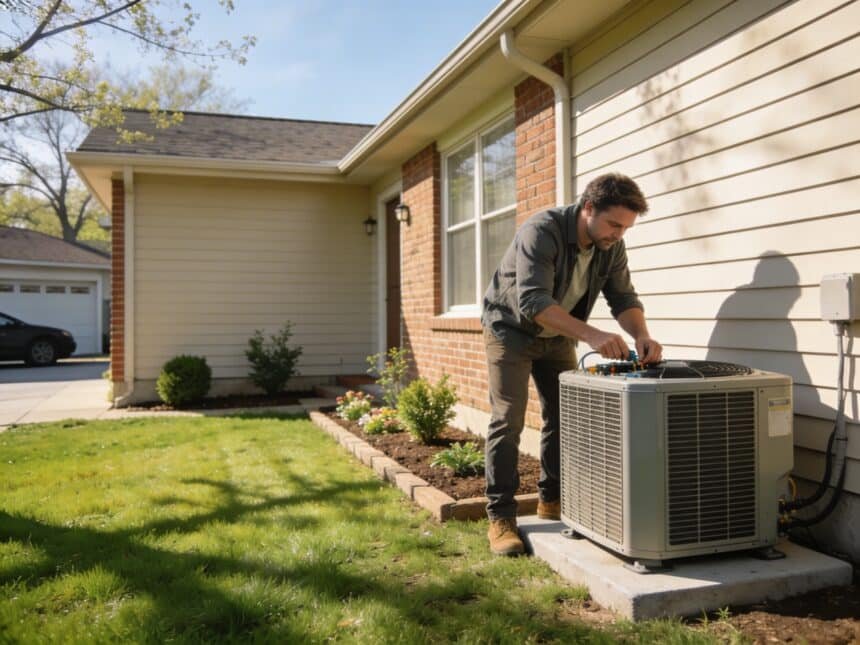
The second thing is to clear around the outdoor unit. Leaves, weeds, overgrown grass, and random debris can crowd the system and block airflow. Give it room to breathe. If the outside unit looks like it is losing a fight with your landscaping, clean that up before the weather turns fully hot.
Third, check the vents inside the house. Make sure furniture, baskets, curtains, or rugs are not blocking airflow. It sounds obvious until you realize one chair in the wrong place has been quietly sabotaging a whole room for months. While you are at it, open and inspect the vents for dust buildup and make sure the airflow feels consistent from room to room.
Fourth, pay attention to your thermostat settings now, not later. A lot of people accidentally force higher bills just by using the thermostat in a way that makes the system work harder than necessary. If you have not looked at that in a while, thermostat mistakes costing money is worth reading because sometimes the issue is not that your AC is weak. It is that the settings are working against you.
Fifth, test the system before you need it. Pick a warm afternoon and turn it on early enough to notice whether it is cooling properly, whether it sounds strange, and whether the airflow feels normal. You want to catch problems while they are still annoying, not when they become urgent.
Sixth, look for signs of moisture where it should not be. Water around the unit, condensation in odd places, or a damp smell near vents can all point to problems you do not want to ignore. Moisture is one of those home issues that starts small and gets expensive fast. If your house already has a history of humidity trouble, articles like the low-effort humidity hack to stop hidden bathroom wall mold and stop window condensation before mold starts can help you think about the bigger moisture picture in the home, not just the AC unit itself.
Seventh, check the air coming out of the vents and compare rooms. If one room is much hotter than the rest, the problem may not be the AC unit alone. It could be insulation, duct issues, sun exposure, or leaks that make that part of the house harder to cool. That is why something like weekend attic insulation check for a greener home matters more than people think. Sometimes the cooling bill is not just about the system. Sometimes the house is letting all your effort escape.
Eighth, do a quick draft check around windows and doors. Before summer really kicks in, it is smart to see where cool air is slipping out. If you have not done that before, 15-minute home draft test is a simple place to start. A system can run all day, but if the house is leaking air, you will still feel like you are losing the battle.
Ninth, be honest about whether it is time to call a pro. If your unit smells strange, makes unusual noises, struggles to cool, cycles constantly, or has weak airflow even after the easy fixes, do not keep hoping it will sort itself out. Pre-summer service is usually less stressful than peak-heat emergency service.
What I like about this checklist is that it keeps you from guessing. Instead of waiting for a miserable hot week and reacting in a panic, you are walking through the small stuff while your house is still calm. That kind of timing saves money, but it also saves frustration.
The truth is, home maintenance usually feels annoying right up until the moment you are grateful you did it. AC prep is one of those things. Nobody wakes up thrilled to inspect vents and filters. But everybody likes a house that cools down when it is supposed to.
So before summer fully shows up, give your system a little attention. Change the filter. Clear the unit. Check the vents. Test the thermostat. Look for drafts and moisture. Make sure your house is helping your AC, not fighting it.
That small bit of effort now can make the first hot week feel a whole lot less rude.