







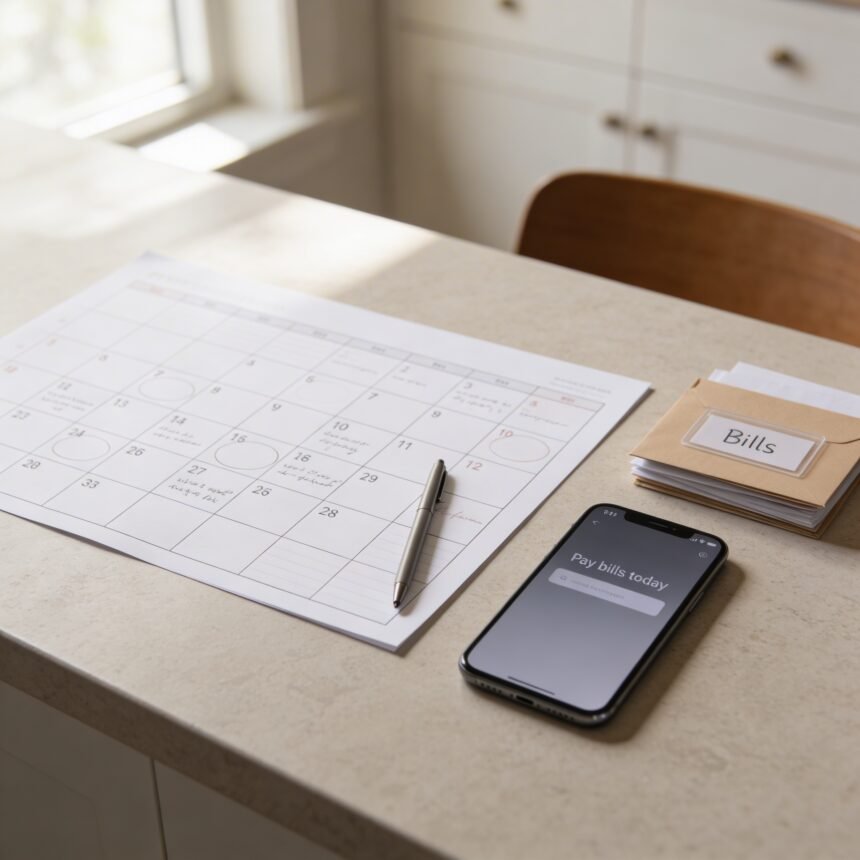
I used to think I was “bad with money” because I’d miss bills sometimes.
- Why bills get missed (even when you care)
- What this system does (in one sentence)
- Step 1: Make your bills list (the truth list)
- Step 2: Choose your bill pay days
- Step 3: Assign bills to paychecks (not due dates)
- Step 4: Put it on the calendar (make it visible)
- Step 5: The buffer rule (this saves you from overdrafts)
- What this looks like in real life
- Do this today (15 minutes)
- What to do next
- FAQ
- Should I put everything on autopay?
- What if my income is uneven?
- How do I stop forgetting yearly bills?
- Bottom line
But it wasn’t that. It was something way more basic.
I didn’t have a system that matched real life.
If you’re managing a family, a household, and everything else, your brain is not built to hold 14 due dates in your head. So bills get missed. Not because you don’t care. Because you’re human.
This is the bills calendar system that finally stopped late fees for me. It’s simple, a little boring, and it works. No spreadsheets required. No pretending you’ll “remember next month.”
Why bills get missed (even when you care)
Most people miss bills because:
- Due dates are scattered across the month
- Autopay doesn’t match when money actually hits the account
- Everything lives in your head
- You pay one bill and forget the rest exist
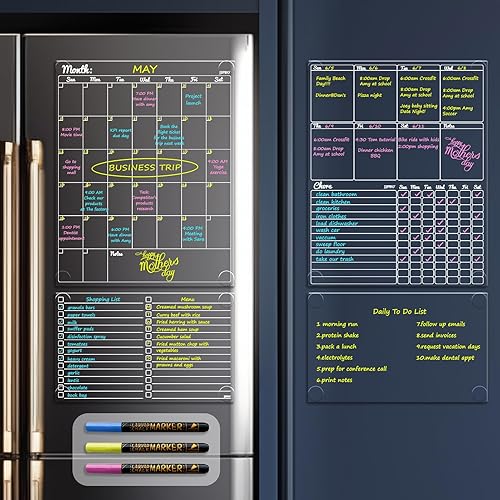


If you’re in a tight season, this post pairs well with: living paycheck to paycheck with a family (what actually helped). It’s the real-life version, not the “just make more money” version.
What this system does (in one sentence)
You stop paying bills by “due date” and start paying bills by “paycheck.”
That shift is the whole game.
Step 1: Make your bills list (the truth list)
Write down every recurring bill. Every one. Even the annoying small ones.
Include:
- Rent/mortgage
- Electric, gas, water
- Internet and phone
- Insurance
- Car note
- Credit card minimums
- Subscriptions you keep
Next to each bill, write: due date, average amount, and how it’s paid.
If you don’t know where the money goes sometimes, do this leak check too: how to find budget leaks when you can’t figure out where money goes. It helps you stop guessing.
Step 2: Choose your bill pay days
Pick two bill pay days per month (or one weekly day if you’re paid weekly).
Examples:
- The day after Paycheck 1
- The day after Paycheck 2
Now bills are not random. Bills are a routine.
Step 3: Assign bills to paychecks (not due dates)
Split your bills into two groups:
- Group A: paid on Bill Pay Day 1
- Group B: paid on Bill Pay Day 2
Rule: if it’s due before the next paycheck, it goes in the current group.
This eliminates that stressful moment where you get paid but don’t know what you can safely spend.
Step 4: Put it on the calendar (make it visible)
Put these on your calendar:
- Bill Pay Day 1: “Pay bills (Group A)”
- Bill Pay Day 2: “Pay bills (Group B)”
- Any bill you must pay manually with a strict deadline
If you want this to be bulletproof, set a reminder the night before: “Bills tomorrow. Don’t drain the paycheck.”
Step 5: The buffer rule (this saves you from overdrafts)
If autopay has ever burned you, you’re not crazy. Autopay doesn’t care what your balance is.
So here’s the buffer rule:
Keep a small buffer in your account.
Even $25 helps. Even $50. The buffer is there for timing mistakes.
If you can’t keep a buffer yet, it’s fine. Do manual payments on bill pay day and turn off autopay for anything that has caused overdrafts.
And if you want a realistic budget approach that supports this system, read: the brutally honest budget that finally worked after I failed 12 times.
What this looks like in real life
Example: paid twice a month
Paycheck 1 bills: rent/mortgage, electric, internet, phone, minimum debt payments.
Paycheck 2 bills: car, insurance, water, subscriptions you keep.
Example: paid weekly
Weekly bill pay day (Friday): split big bills into smaller chunks when possible. It stops one week from getting crushed.
Do this today (15 minutes)
- Write your bills list
- Pick your bill pay days
- Assign bills to paycheck 1 or paycheck 2
- Put the reminders on your calendar
What to do next
Once late fees stop, you can start reclaiming money instead of donating it to “processing charges.”
The next easiest win after this is a subscription audit. If you haven’t done it yet, start here: do a subscription audit next (I found $127/month).
FAQ
Should I put everything on autopay?
Only if your income timing is stable and you keep a buffer. If autopay has caused overdrafts, manual payments are safer.
What if my income is uneven?
Use the same system, but plan based on your lowest expected month and split big bills when possible.
How do I stop forgetting yearly bills?
Put them on the calendar a month before renewal with a reminder: “Decide keep or cancel.”
Bottom line
This is not a fancy system. It’s a reliable system.
It turns bills into a routine instead of a constant mental burden. And that alone reduces financial stress more than people realize.











How do you manage your bills? This system could really help you save! Check it out! #MoneyManagement #Budgeting #CozyCornerDaily