


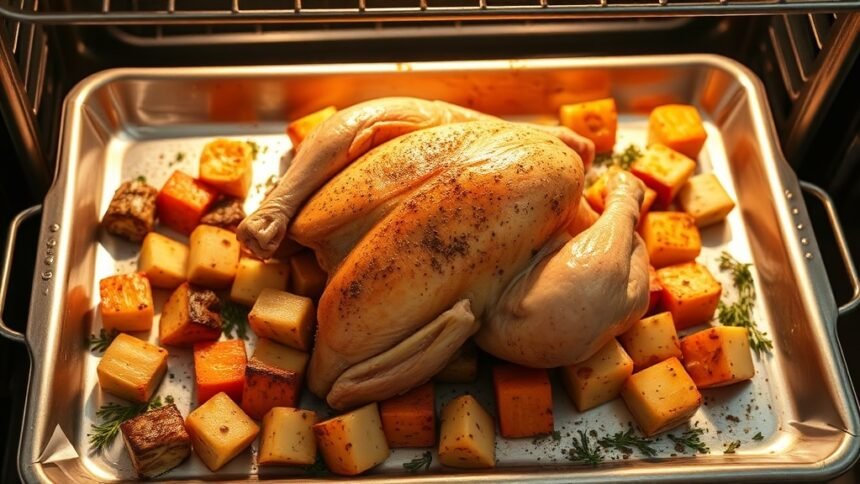
Sheet pan dinners should be the default weeknight cooking method for every busy family, and the fact that more people do not use them is baffling. You put everything on one pan, slide it into the oven, and walk away. The oven does the work, the cleanup is one pan and maybe a cutting board, and the results taste roasted and caramelized in a way that stovetop cooking rarely achieves. Yet most families still default to multi-pot, multi-pan meals that turn the kitchen into a disaster zone every single night. If you have been sleeping on sheet pan dinners, tonight is a good time to wake up.
The Science of Why Sheet Pan Meals Taste Better
Roasting at high heat does something that sauteing and boiling cannot. It triggers the Maillard reaction on the surface of your food, which is the browning that creates deep, complex flavors. Vegetables that taste boring when steamed become sweet and slightly crispy when roasted. Chicken thighs develop golden skin that crunches when you bite into it. Even basic potatoes transform into something restaurant-worthy when they get enough time on a hot sheet pan with a little oil and salt. This is not fancy cooking. It is chemistry, and your oven does it for free while you help the kids with homework.
Sheet Pan Dinners the Whole Family Will Eat
Sheet Pan Chicken and Roasted Vegetables
Ingredients
Method
-
Preheat oven to 425°F. Line a large sheet pan with parchment paper.
-
Toss vegetables with 2 tablespoons olive oil, garlic powder, salt, and pepper. Spread on one side of the pan.
-
Pat chicken thighs dry. Rub with remaining olive oil, paprika, garlic powder, salt, and pepper.
-
Place chicken skin-side up on the other side of the pan.
-
Roast for 25 minutes until chicken reaches 165°F and vegetables are tender and slightly charred.
-
Let rest 5 minutes before serving.
Notes
The other advantage of sheet pan cooking is even heat distribution. When you cook on a stovetop, hot spots and constant stirring are part of the deal. In an oven, hot air circulates around the food evenly, which means you do not have to stand there managing the process. Set a timer, walk away, come back to dinner. The consistency is hard to beat, especially on weeknights when your attention is split between cooking and everything else demanding your time.
If sheet pan meals are your thing, you will love the simplicity of our crockpot dump meals for busy weeknights too.
The Universal Sheet Pan Formula
Every sheet pan dinner follows a simple ratio. One protein, two vegetables, one fat, and seasonings. Lay them on a rimmed baking sheet lined with foil or parchment for easy cleanup, and roast at four hundred to four hundred twenty five degrees for twenty to thirty five minutes depending on what you are cooking. That is the entire method.
The key to a good sheet pan dinner is cutting everything to a similar size so it cooks at the same rate. Chicken thighs and diced potatoes take about the same time at four twenty five. Broccoli florets and sliced bell peppers cook faster, so either cut them larger or add them to the pan ten minutes into cooking. The biggest failure point in sheet pan dinners is everything finishing at different times, and that is entirely solvable by thinking about size and density before you start.
Do not overcrowd the pan. This is the rule that people break most often, and it is the reason their sheet pan meals steam instead of roast. Food needs space for hot air to circulate and for moisture to evaporate. If your ingredients are piled on top of each other, they are going to get soggy instead of caramelized. Use two pans if you need to, or cook in batches. A crowded pan is a mediocre pan every single time.
Sheet pan leftovers make great next-day lunches if you store them right. Bentgo containers keep roasted vegetables and protein separate until you are ready to eat, and they are genuinely leak-proof for saucy meals.
Five Sheet Pan Dinners the Whole Family Eats
Chicken thighs with roasted potatoes and green beans is the gateway sheet pan meal. Season bone-in, skin-on chicken thighs with salt, pepper, garlic powder, and paprika. Toss baby potatoes and trimmed green beans in olive oil and the same seasonings. Spread everything on the pan with the chicken skin side up. Roast at four twenty five for thirty five minutes. The chicken skin gets crackling crispy, the potatoes turn golden, and the green beans get those slightly charred edges that make kids eat vegetables without complaining.
Sausage and vegetable sheet pan is even easier. Slice precooked sausage links into rounds. Toss with diced bell peppers, zucchini, and red onion in olive oil and Italian seasoning. Roast at four hundred for twenty five minutes. Serve over rice or with crusty bread. The sausage releases fat as it cooks, which bastes the vegetables and adds flavor without any extra work on your part. This is a ten-minute-prep dinner that looks and tastes like you spent an hour in the kitchen.
Teriyaki salmon with broccoli and sweet potato works for families ready to try something beyond chicken. Place salmon fillets on one side of the pan and cubed sweet potato on the other. Brush the salmon with store-bought teriyaki sauce. Roast at four hundred for fifteen minutes, then add broccoli florets tossed in sesame oil, and roast another ten minutes. The sweet potato caramelizes, the salmon stays moist under the teriyaki glaze, and the broccoli gets those crispy edges that taste nothing like steamed broccoli from a bag.
Fajita sheet pan is a weeknight winner that generates zero complaints. Slice chicken breast or steak into strips. Toss with sliced bell peppers and onions in olive oil, cumin, chili powder, garlic powder, and lime juice. Spread on a sheet pan and roast at four twenty five for twenty minutes. Serve with warm tortillas, cheese, sour cream, and salsa. This beats the flavor of most restaurant fajitas and the total hands-on time is about eight minutes.
Pork chops with roasted apples and brussels sprouts sounds fancy but takes five minutes to assemble. Season bone-in pork chops with salt, pepper, and thyme. Halve brussels sprouts and slice apples into wedges. Toss the vegetables and fruit in olive oil and a drizzle of maple syrup. Arrange everything on the pan and roast at four hundred for twenty five minutes. The maple glaze on the apples and sprouts creates a sweet savory combination that pairs perfectly with the pork, and the whole thing looks like something from a food magazine.
If you want a full week of dinners planned without the guesswork, The Exhausted Parent’s Meal Prep System gives you the complete framework for $17.
Round out your easy dinner rotation with our one pot pasta recipes for busy families for nights when you only want to wash one dish.
Making Sheet Pan Dinners Kid Friendly
The biggest objection parents have is that their kids will not eat roasted vegetables. Here is the honest truth. Kids are far more likely to eat vegetables when they are roasted and slightly caramelized than when they are steamed or boiled. The natural sugars in vegetables come out during roasting, which makes them sweeter and less bitter. Broccoli, sweet potatoes, carrots, and bell peppers all taste significantly better roasted than any other preparation method.
If your kids are extremely picky, start with the proteins and starches they already like and put one new vegetable on the pan alongside familiar items. They do not have to eat it the first time. Repeated exposure without pressure is how kids learn to accept new foods, and having a roasted vegetable on the plate next to chicken they already love is low-stakes exposure that works over time.
Cleanup in Under Five Minutes
Line your sheet pan with foil or parchment paper before you start. When dinner is done, lift the liner off the pan and throw it away. Wipe the pan with a damp cloth and you are done. Total cleanup time is under five minutes including loading any plates into the dishwasher. Compare that to a stovetop meal that dirties a skillet, a pot, a cutting board, multiple utensils, and sometimes a colander. The cleanup advantage alone makes sheet pan dinners worth adopting as your primary weeknight method.
If you batch prep your vegetables on Sunday, cutting and storing them in containers in the fridge, your weeknight sheet pan assembly drops to about three minutes. Pull out the protein, pull out the prepped vegetables, dump them on a lined pan, drizzle with oil, season, and slide it in the oven. That is the kind of efficiency that turns dinner from a stressful production into a background task, and your family gets a hot, homemade meal that tastes like you put in serious effort when you barely lifted a finger.
If you found this helpful, you might also want to read our guide on easy weeknight dinners under $10.
If you found this helpful, you might also want to read our guide on meal prep for.
If you found this helpful, you might also want to read our guide on 5-ingredient family dinners everyone will.
If you found this helpful, you might also want to read our guide on grocery budget for a family.
If you found this helpful, you might also want to read our guide on 30-day meal plan for busy.
For the kitchen tools and equipment that make this easier, Amazon has a solid selection worth browsing.










What’s your family’s favorite sheet pan dinner? Check out these ideas that everyone will love!