


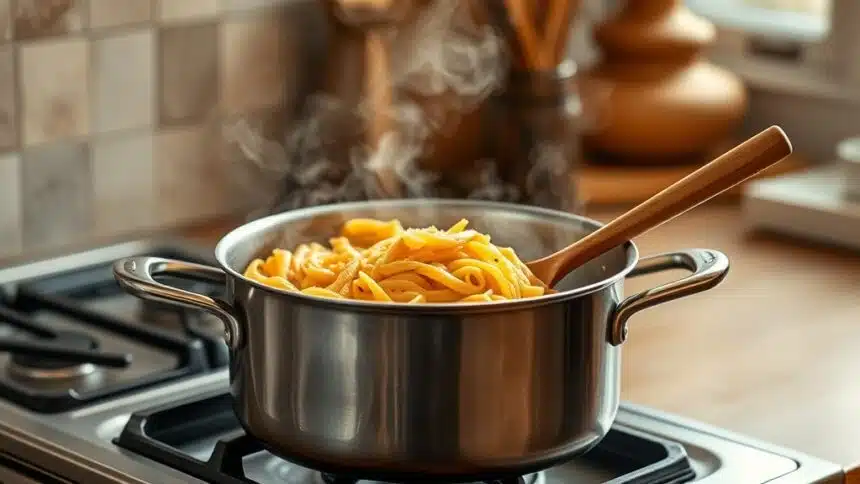
One pot pasta is the weeknight cooking method that most people dismiss until they try it, and then they never go back to boiling a separate pot of water again. The idea is simple. Everything goes into one pot at the same time, the pasta cooks in the sauce instead of plain water, and you end up with a finished dish that has more flavor than traditional pasta because the starch from the noodles thickens the sauce as it cooks. It sounds too easy to be good, which is exactly why people are skeptical. But the results speak for themselves, and the cleanup of a single pot speaks even louder.
Why One Pot Pasta Is Not a Shortcut
People hear “one pot” and assume it means cutting corners. The opposite is true. When pasta cooks directly in sauce, it absorbs flavor the entire time instead of sitting in bland water for ten minutes before getting tossed with sauce at the last second. Italian grandmothers have been finishing pasta in sauce for generations. One pot pasta just takes that principle and applies it from the start. The starch that would normally go down the drain with the pasta water stays in the pot, naturally thickening the sauce into something silky and cohesive without any cream or butter needed.
One Pot Pasta Recipes for Busy Families
One Pot Creamy Tomato Pasta
Ingredients
Method
-
Combine uncooked pasta, diced tomatoes, broth, garlic, Italian seasoning, salt, and pepper in a large pot.
-
Bring to a boil over high heat, stirring occasionally so the pasta does not stick.
-
Reduce heat to medium and cook for 12 to 15 minutes, stirring every few minutes, until pasta is al dente and most liquid is absorbed.
-
Stir in heavy cream or cream cheese and spinach if using. Cook 2 more minutes until creamy.
-
Top with parmesan cheese and serve directly from the pot.
Notes
The method also solves the timing problem that plagues traditional pasta cooking. You have to boil water, cook the pasta, make the sauce separately, drain, combine, and serve before it gets cold. With one pot pasta, everything finishes at the same time because everything is cooking together. There is no draining step, no second pan to manage, and no window where the pasta sits getting sticky while you finish the sauce. It is a better process that produces a better result, and anyone calling it lazy has not actually tasted the difference.
If one pot dinners save your sanity, you will also want our sheet pan dinners the whole family will eat in your rotation.
The One Pot Pasta Method
Start with a large pot or deep skillet with a lid. Add your aromatics and saute them briefly in olive oil. Garlic, onion, and any other flavor base ingredients get a two to three minute head start to develop flavor. Then add your liquid, which is usually a combination of broth and canned tomatoes or just broth for cream-based versions. The total amount of liquid matters. You need enough to cook the pasta without it drying out, but not so much that you end up with soup. A good rule of thumb is about three cups of liquid per pound of pasta for most recipes.
Add the dry pasta directly to the pot with the liquid and bring everything to a boil. Then reduce to a steady simmer, cover with a lid slightly cracked, and stir every two to three minutes. The stirring is important because it prevents the pasta from sticking to the bottom and helps the starch distribute evenly through the sauce. Most one pot pasta dishes finish in fifteen to twenty minutes from the time the liquid starts simmering, which is about the same time as boiling pasta the traditional way except you also have the sauce done simultaneously.
When the pasta is al dente and the liquid has reduced into a thick, glossy sauce, you are done. Stir in any finishing ingredients like fresh herbs, cheese, or cream, and serve directly from the pot. The total active cooking time is about twenty minutes, and you used one cutting board, one pot, and one spoon. That is a legitimate dinner in less time than it takes to get a pizza delivered.
One pot pasta leftovers reheat better than traditional pasta because the sauce is baked into the noodles. Bentgo containers are what I use for packing leftover pasta for lunch. The seal actually holds up with saucy foods.
Five One Pot Pastas Families Love
One pot tomato basil pasta is the starting point for anyone new to this method. Saute four cloves of garlic in olive oil for one minute. Add a can of crushed tomatoes, two cups of chicken or vegetable broth, a pound of penne or rigatoni, a teaspoon of salt, and half a teaspoon each of red pepper flakes and Italian seasoning. Bring to a boil, reduce to a simmer, cover, and cook for fifteen minutes, stirring every three minutes. Finish with a handful of fresh basil and grated parmesan. The sauce will be thick, glossy, and deeply flavored without any cream or butter.
Chicken alfredo one pot starts with cooking diced chicken breast in butter until golden, about five minutes. Remove the chicken and saute garlic for one minute. Add three cups of chicken broth, a pound of fettuccine broken in half, and bring to a boil. Simmer covered for twelve minutes, stirring occasionally. Remove from heat, stir in a cup of heavy cream, a cup of grated parmesan, and the cooked chicken. The residual heat melts the cheese into a creamy sauce that coats every strand of pasta. This rivals any restaurant alfredo and it took twenty minutes total.
Taco pasta is the kid favorite that adults secretly love too. Brown a pound of ground beef with diced onion, drain any excess fat, then add a packet of taco seasoning, a can of diced tomatoes, two cups of broth, and a pound of rotini. Simmer covered for fifteen minutes. Stir in shredded cheddar and a dollop of sour cream. Serve with tortilla chips crumbled on top and you have a dinner that will generate zero complaints from anyone at the table regardless of age.
Creamy tuscan sausage pasta uses sliced Italian sausage as the base. Brown the sausage in olive oil, add garlic and sun-dried tomatoes, then pour in three cups of broth and add a pound of penne. Simmer covered for fifteen minutes. Stir in a handful of baby spinach, half a cup of cream, and parmesan. The spinach wilts in the residual heat, the cream pulls everything together, and the sun-dried tomatoes add a sweet tanginess that elevates the whole dish beyond basic sausage pasta.
Lemon garlic butter pasta is the simplest version and sometimes the most satisfying. Saute a generous amount of minced garlic in butter for two minutes. Add three cups of broth, the juice of two lemons, and a pound of spaghetti or linguine broken in half. Simmer covered for twelve minutes. Finish with more butter, parmesan, and fresh parsley. The lemon cuts through the richness of the butter and cheese, creating a bright, clean flavor that pairs well with grilled chicken or shrimp on the side.
If you want a full system for planning every meal of the week, The Exhausted Parent’s Meal Prep System covers it for $17. If budget is the bigger issue, The Family Budget Reset tackles that side for $22.
New to cooking with an air fryer? Our air fryer recipes for beginners are just as easy as one pot meals and twice as crispy.
Troubleshooting Common One Pot Pasta Problems
If your pasta comes out mushy, you used too much liquid or cooked it too long. Reduce the broth by a quarter cup next time and start checking the pasta two minutes before the recipe says it should be done. Al dente is the goal, and it is better to pull it slightly early since the pasta continues absorbing liquid as it sits.
If the sauce is too thin when the pasta is done, remove the lid entirely and simmer for another two to three minutes while stirring constantly. The exposed surface area lets moisture evaporate quickly and the stirring releases more starch to thicken things up. A tablespoon of cream cheese or mascarpone stirred in at the end also works as an emergency thickener that adds richness at the same time.
If the pasta sticks together, you are not stirring frequently enough. Every two to three minutes is the minimum for one pot pasta. The starch makes the liquid thick and sticky, which is great for the sauce but problematic if the noodles clump. Consistent stirring keeps everything separate and evenly coated.
Why This Beats Traditional Pasta Night
Traditional pasta night uses a pot for water, a pan for sauce, a colander for draining, and sometimes a third pan for protein. That is three to four things to wash before you can sit down and eat. One pot pasta uses one pot. The math on cleanup alone makes this worth trying, but the flavor advantage is what makes people permanent converts. Pasta that cooks in sauce tastes like sauce all the way through, not just on the surface. The texture is creamier, the flavor is deeper, and the whole meal comes together faster. There is no rational argument for going back to the old way once you have experienced the one pot version, and your sink will thank you for making the switch.
If you found this helpful, you might also want to read our guide on easy weeknight dinners under $10.
If you found this helpful, you might also want to read our guide on 5-ingredient family dinners everyone will.
If you found this helpful, you might also want to read our guide on meal prep for.
If you found this helpful, you might also want to read our guide on grocery budget for a family.
If you found this helpful, you might also want to read our guide on 30-day meal plan for busy.
For the kitchen tools and equipment that make this easier, Amazon has a solid selection worth browsing.









What’s your go-to pasta dish when you’re short on time? Check out these easy recipes!