







After school is the danger zone. Everybody walks in starving, overstimulated, and somehow offended by everything. Then homework happens and suddenly it’s 8:47 PM and you’re negotiating math problems like it’s international diplomacy.



This routine is built for real homes. Not influencer homes where nobody spills juice and every child whispers “yes mother” while folding towels.
The goal (keep it simple)
You’re trying to avoid:
- snack scavenger hunt mode
- “I forgot my folder” panic
- homework fights at bedtime
- 5 PM exhaustion turning into 5 PM yelling (we’ve all been there)
The routine: 3 blocks that change everything
Block 1: The 20-minute decompression
First rule: no demands the minute they walk in.
- 10 minutes: snack + water
- 10 minutes: quiet reset (music, drawing, Legos, whatever)
This is where a visual timer saves your sanity, because you’re not arguing about time. You’re pointing at a clock that doesn’t care about anyone’s feelings.
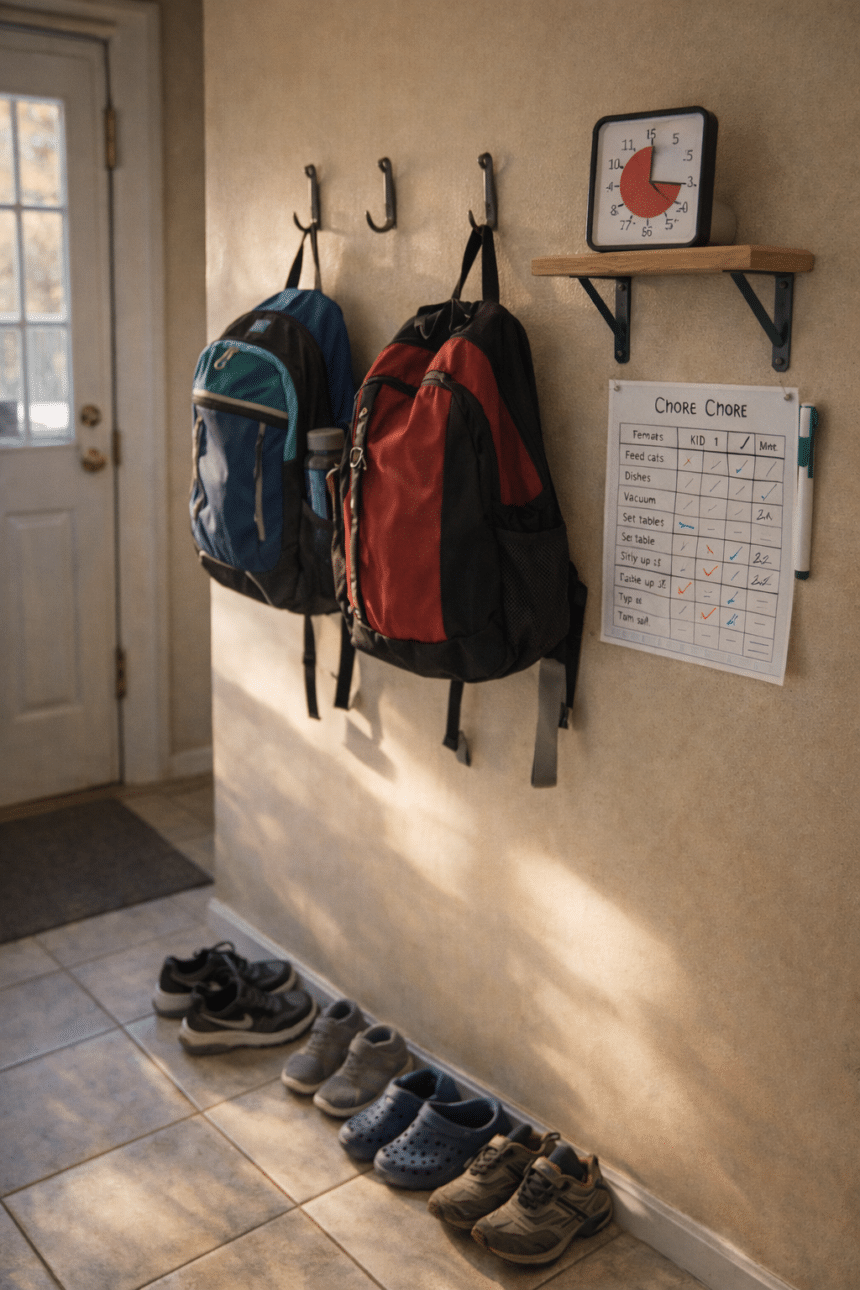
Block 2: “Drop Zone” habits (2 minutes)
Pick one spot near the door:
- backpack
- shoes
- folder
- water bottle
No searching later. No blaming later. Just drop zone.
If your family is also trying to cut grocery waste and random spending, pair this with: no-spend grocery week that actually works.
Block 3: Homework flow that doesn’t ruin the night
This is the part people overcomplicate.
- Start: 10-minute “easy win” task first
- Middle: hardest task next
- End: quick check and pack bag for tomorrow
Then you’re done. Homework doesn’t get to squat in your whole evening like it pays rent.
The snack system that stops constant grazing
Make 1 snack bin that is always “yes”:
- applesauce
- yogurt
- granola bars
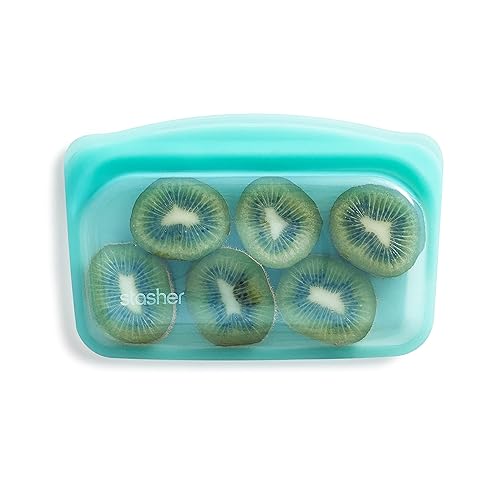
- fruit
- crackers
Set boundaries without drama: “Pick 2 from the yes bin.”
That’s it. That’s the sentence.
Want a meal-prep win that also helps after school? Breakfast burritos are the cheat code: freezer breakfast burritos meal prep.
FAQs
Q: What if my kid refuses the routine?
A: Don’t sell it as a routine. Sell it as “we do snack first, then we do the next thing.” Keep it calm and consistent.
Q: What if we have multiple kids with different schedules?
A: Same routine, different start time. The structure stays the same.
Q: How do I get homework done without arguing?
A: Timer + a first “easy win” task. Starting is 80% of the battle.
Q: Do rewards work?
A: Yes, if they’re simple and consistent. Not if they require a spreadsheet.
For parenting books and resources on this topic, Amazon has a solid selection worth browsing.













What’s your go-to snack for after school? Check out this routine for more tips! #AfterSchoolSnacks #Parenting #CozyCornerDaily